SL City Real Estate
We offer you many choices for living your best life in sustainable, convenient and enjoyable spaces




Provo City Duplex
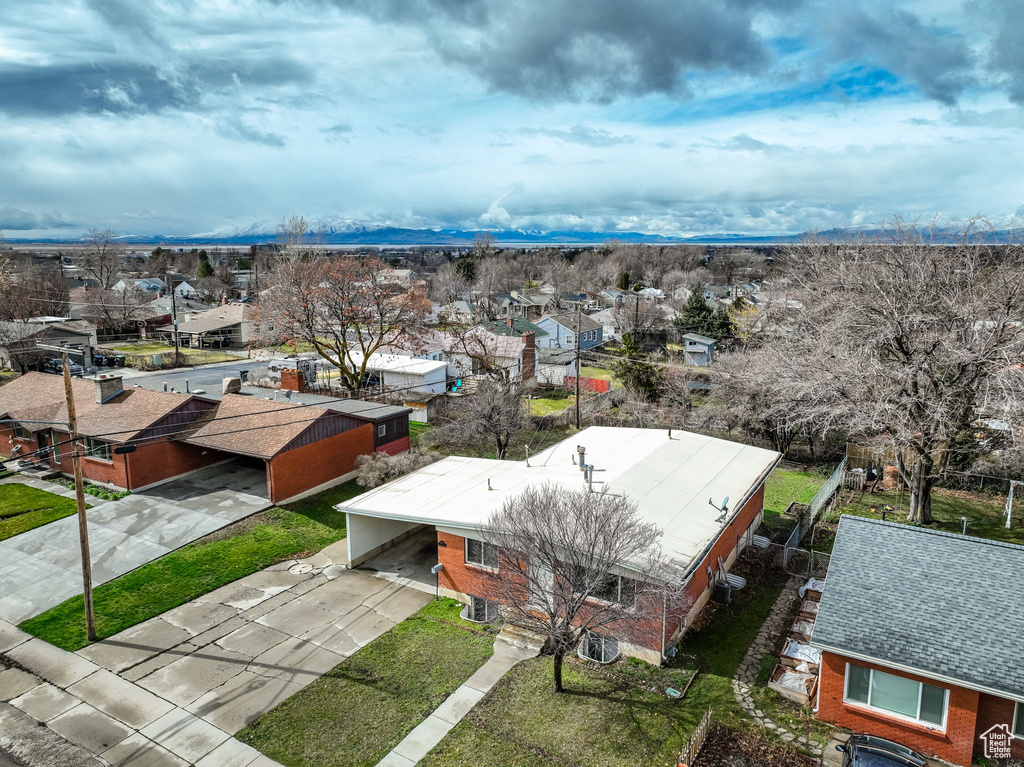
Located on a pleasant residential street a few blocks from the entrance to Slate Canyon Park, the Bonneville Shoreline Trail, and Provost Elementary School.
Read More
Good To Go in Glendale
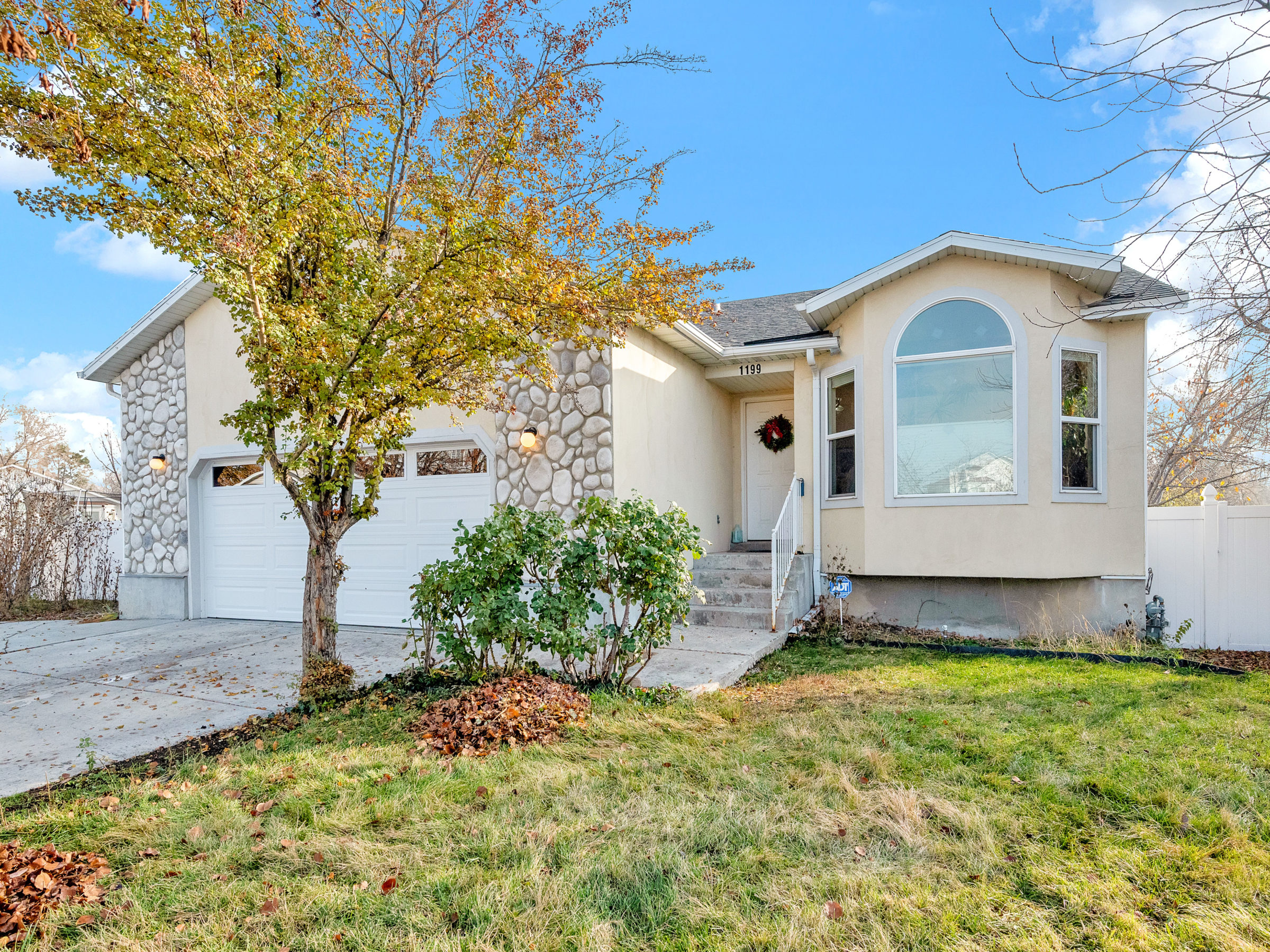
Welcome to this bright, spacious, and well maintained 6 bedroom 3 bath home on a quiet cul-de-sac.
Read MoreLove Living In Liberty Wells
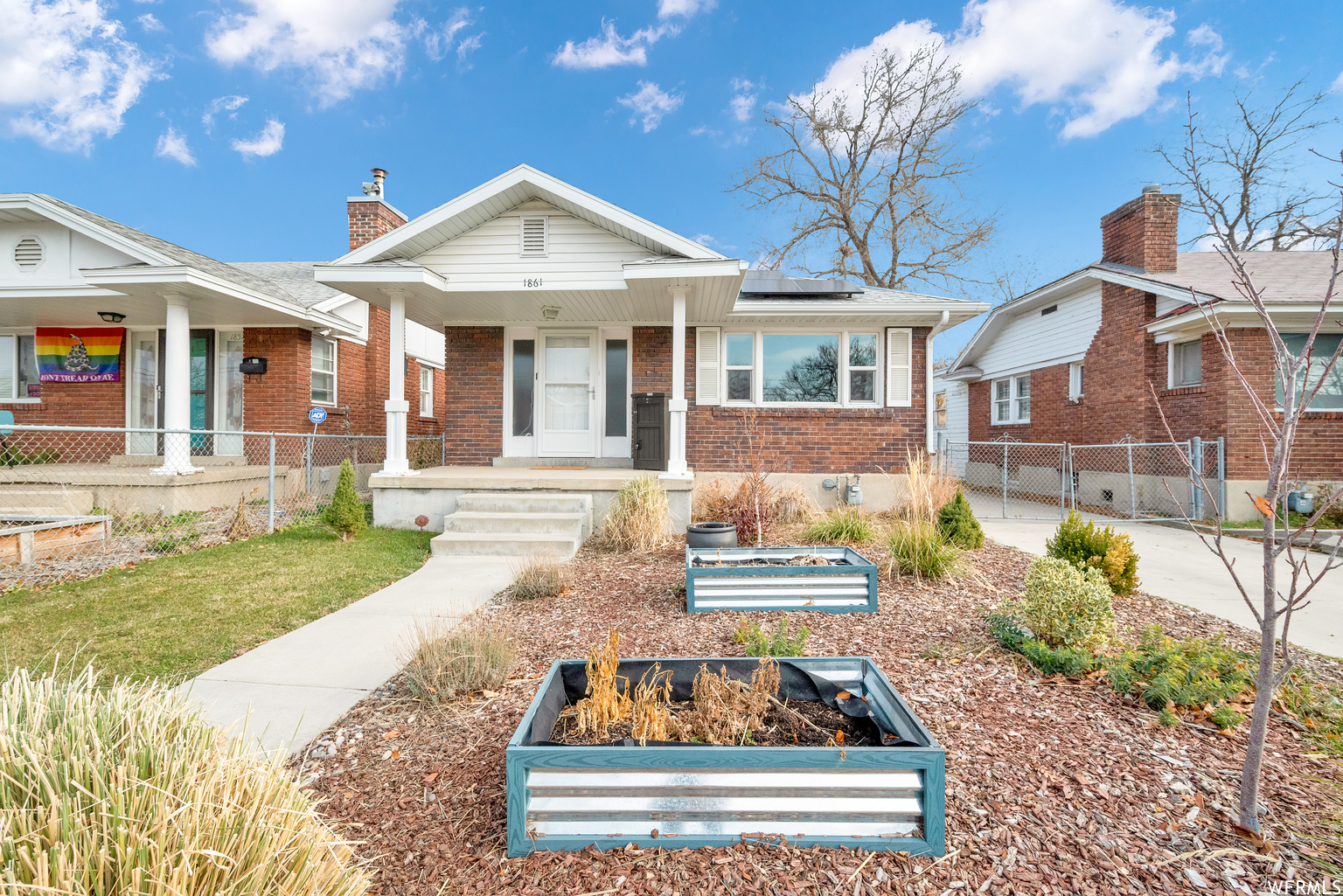
Well-built 3 bedroom 2 bath bungalow practically designed to make the best use of space with abundant natural light in the open living room and dining area.
Read MoreThe New Fall/Winter Newsletters are here!
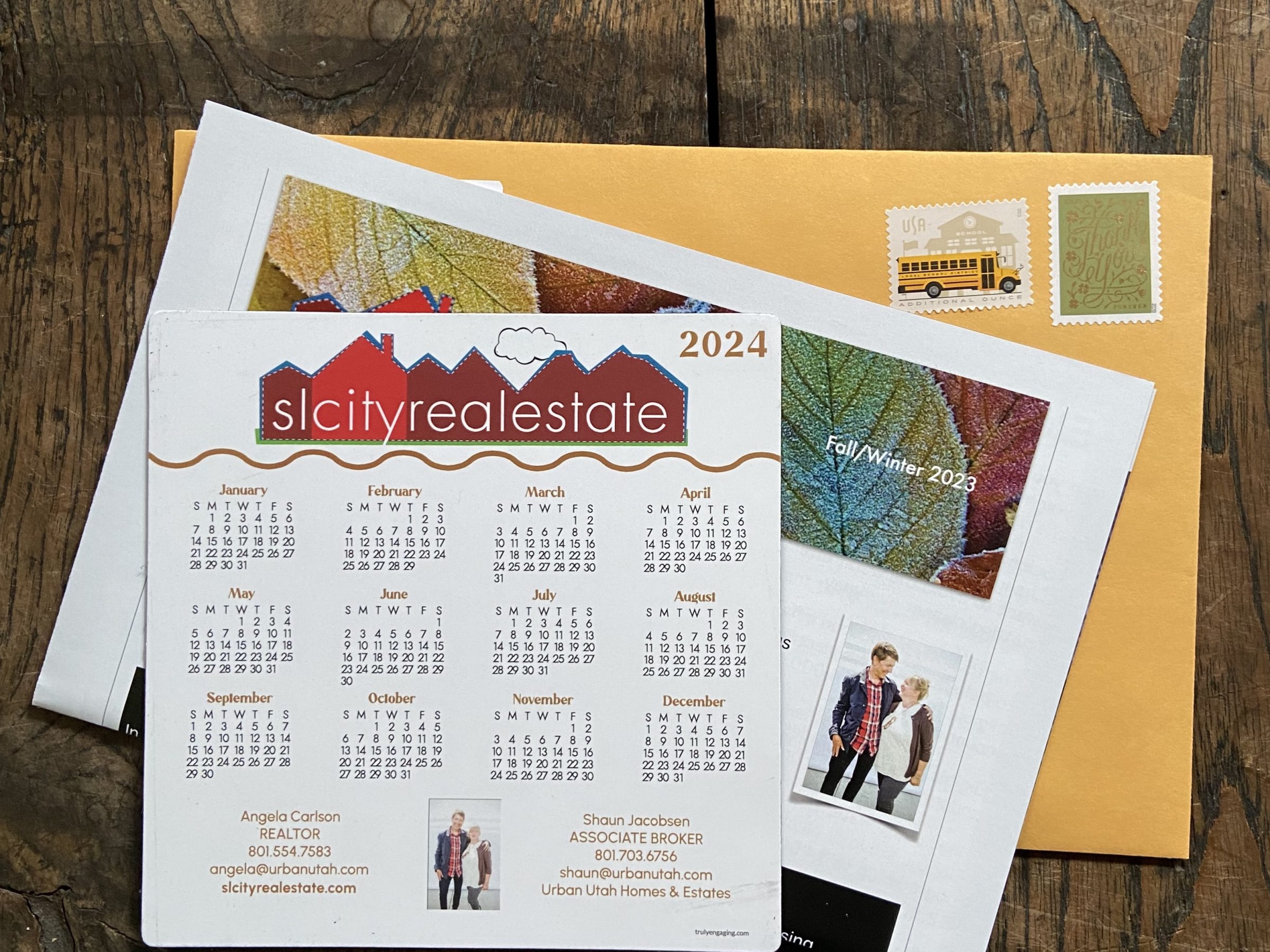
Housing Finance System For All, Electrifying Updates, What Experts Project For Home Prices Over The Next Five Years, and more.
Read MorePleasing Property In Poplar Grove
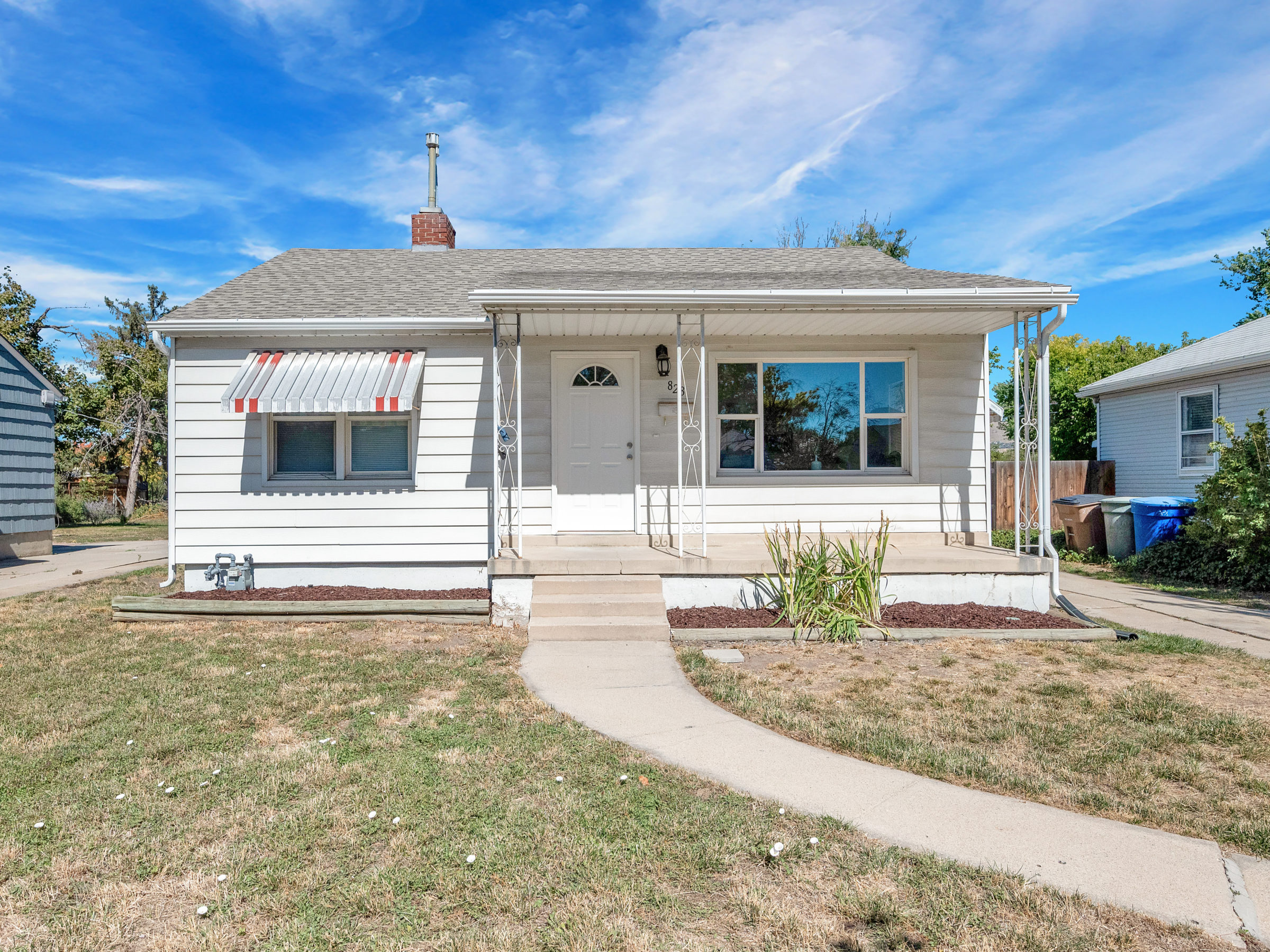
This centrally located 4 bedroom 2 bath remodeled home has it all. New flooring and paint throughout with recently updated bathrooms, roof, HVAC and appliances.
Read MoreTwin Home With Town Home Style
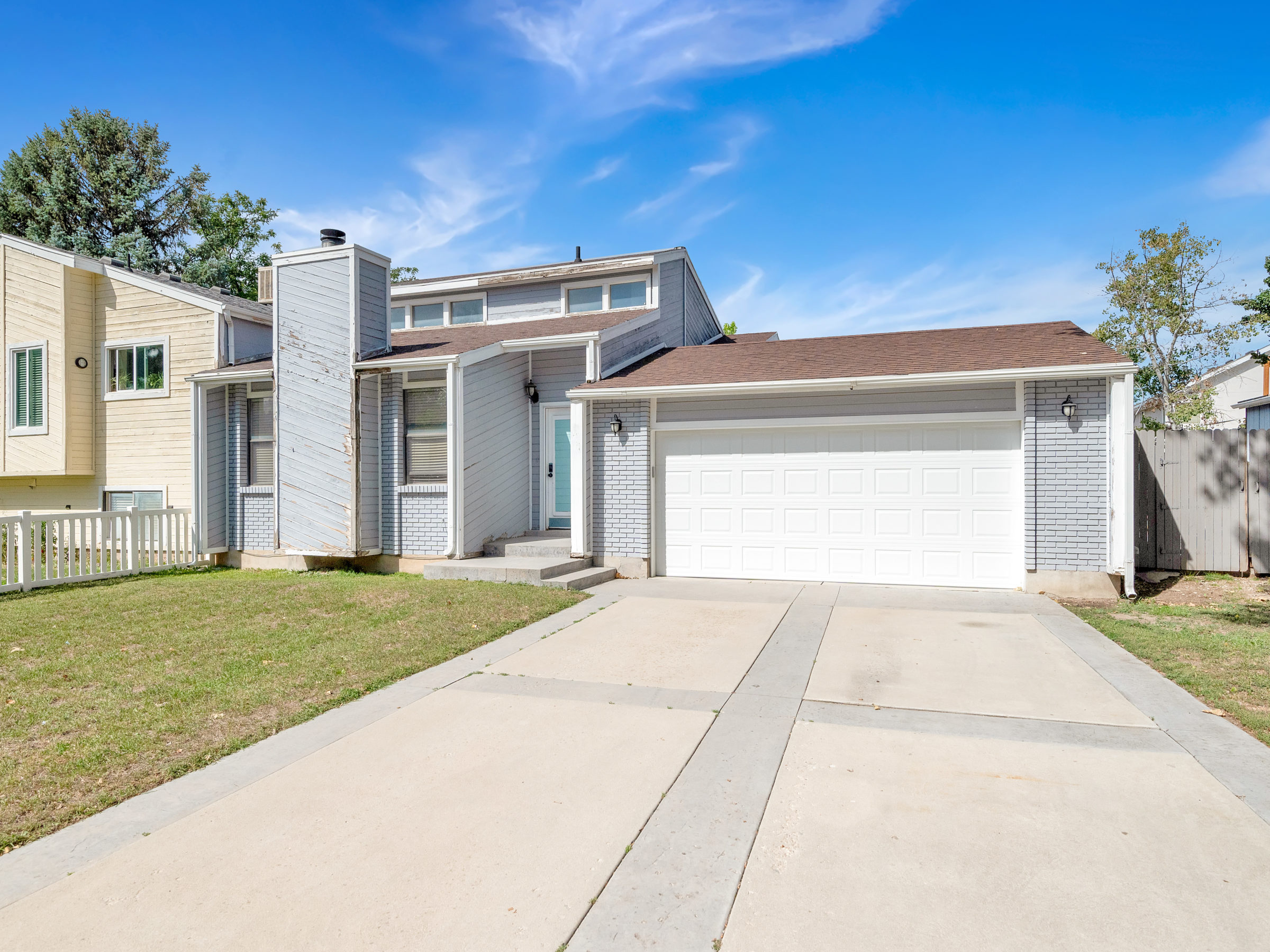
Affordable twin home with 3 bedrooms and 2 baths in Sandy, near the historic city center. Located on a charming tree lined street close to schools, Sandy Trax stop, grocery stores and other local amenities
Read MoreGood Location For A Rental Near Two Universities
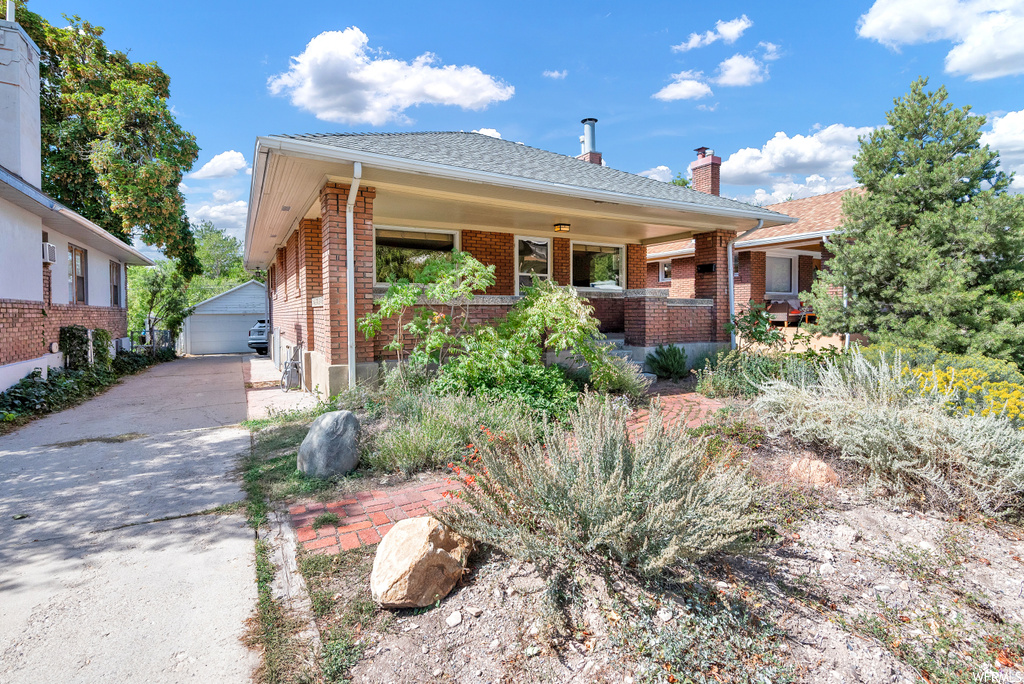
Built in 1920 this comfortable 2 bedroom 2 bath bungalow is smack dab in the middle of everything. Shopping, restaurants, Sugar House park, transit, medical clinic and freeway access are right outside of your door.
Read MoreLive & Grow in Glendale
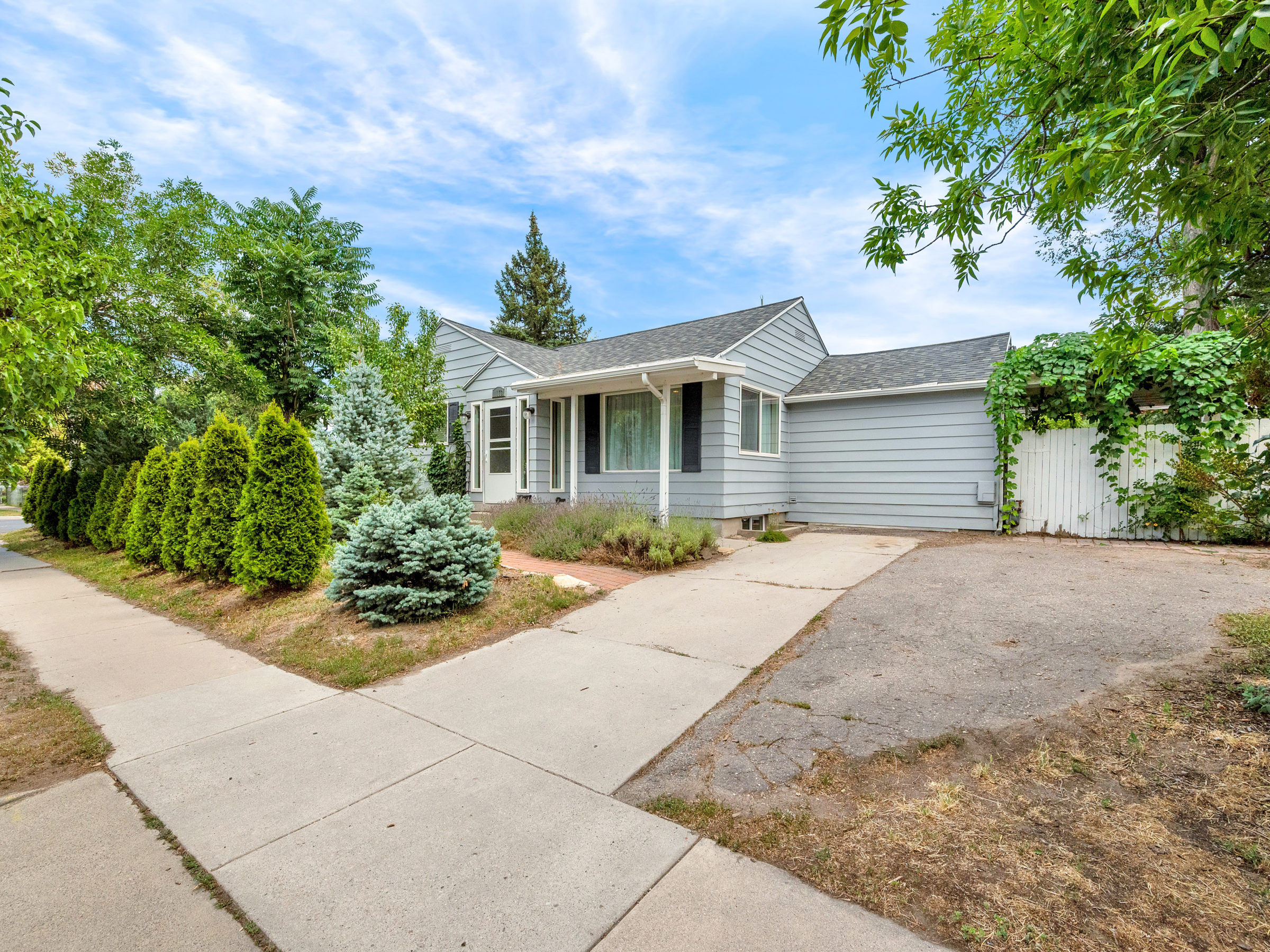
Welcome to this well-situated 4 bedroom 2 bath home with everything you need.
Read MoreFavorable Price & Location
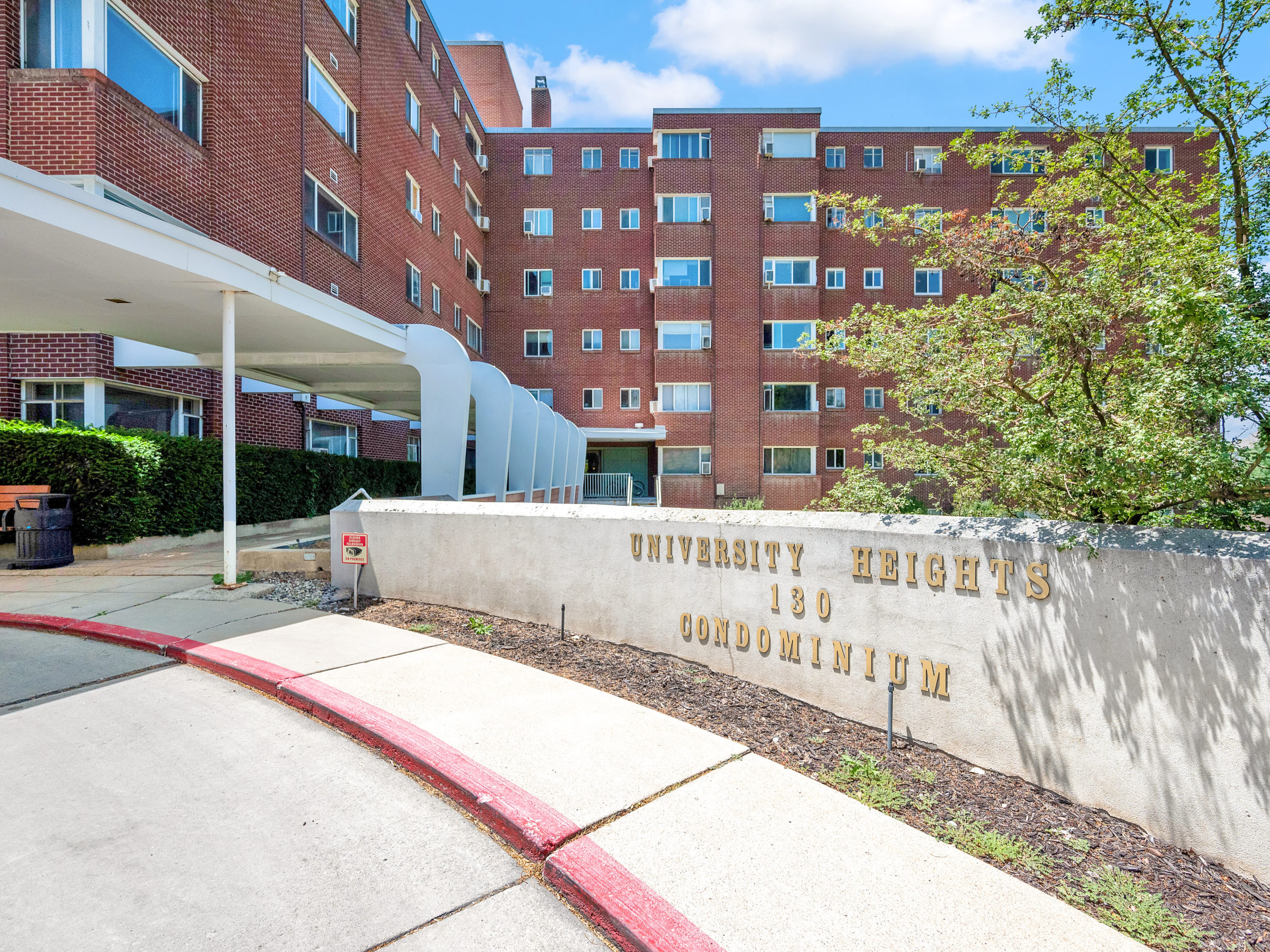
Cheerful east facing one bedroom condo with views of the foothills and the University of Utah from every window.
Read MoreMoving Through The Years
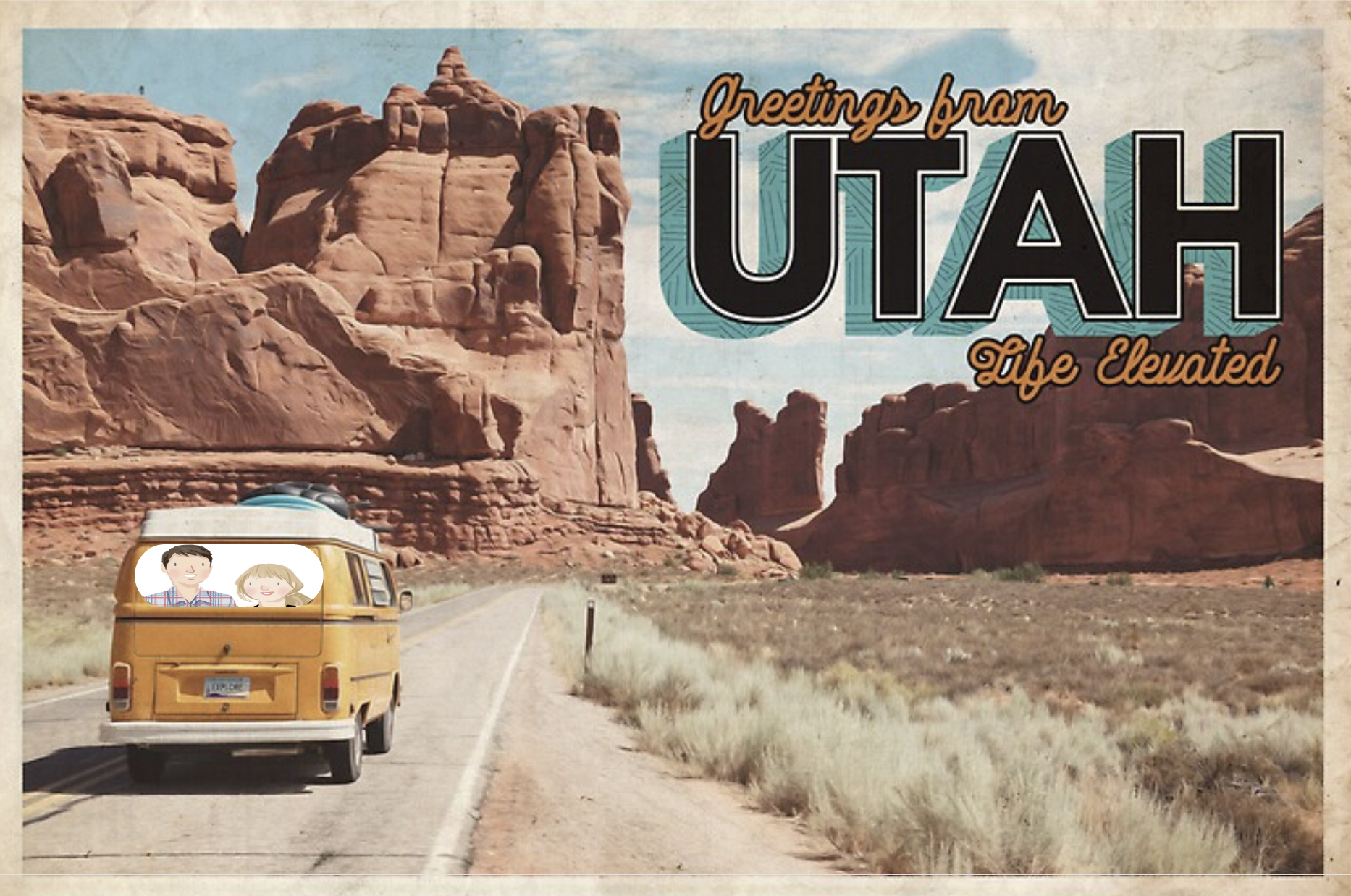
It’s a big year for us! We’ve been traveling through life together for 40 years, and working in Real Estate for 20 of those.
Read More
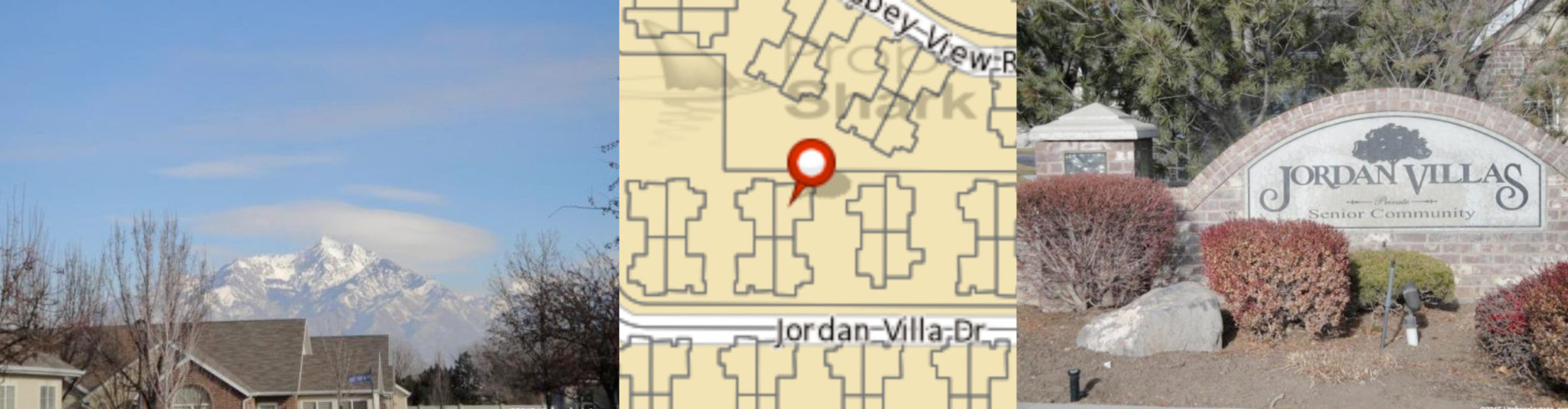
Joyful Living in Jordan Villas
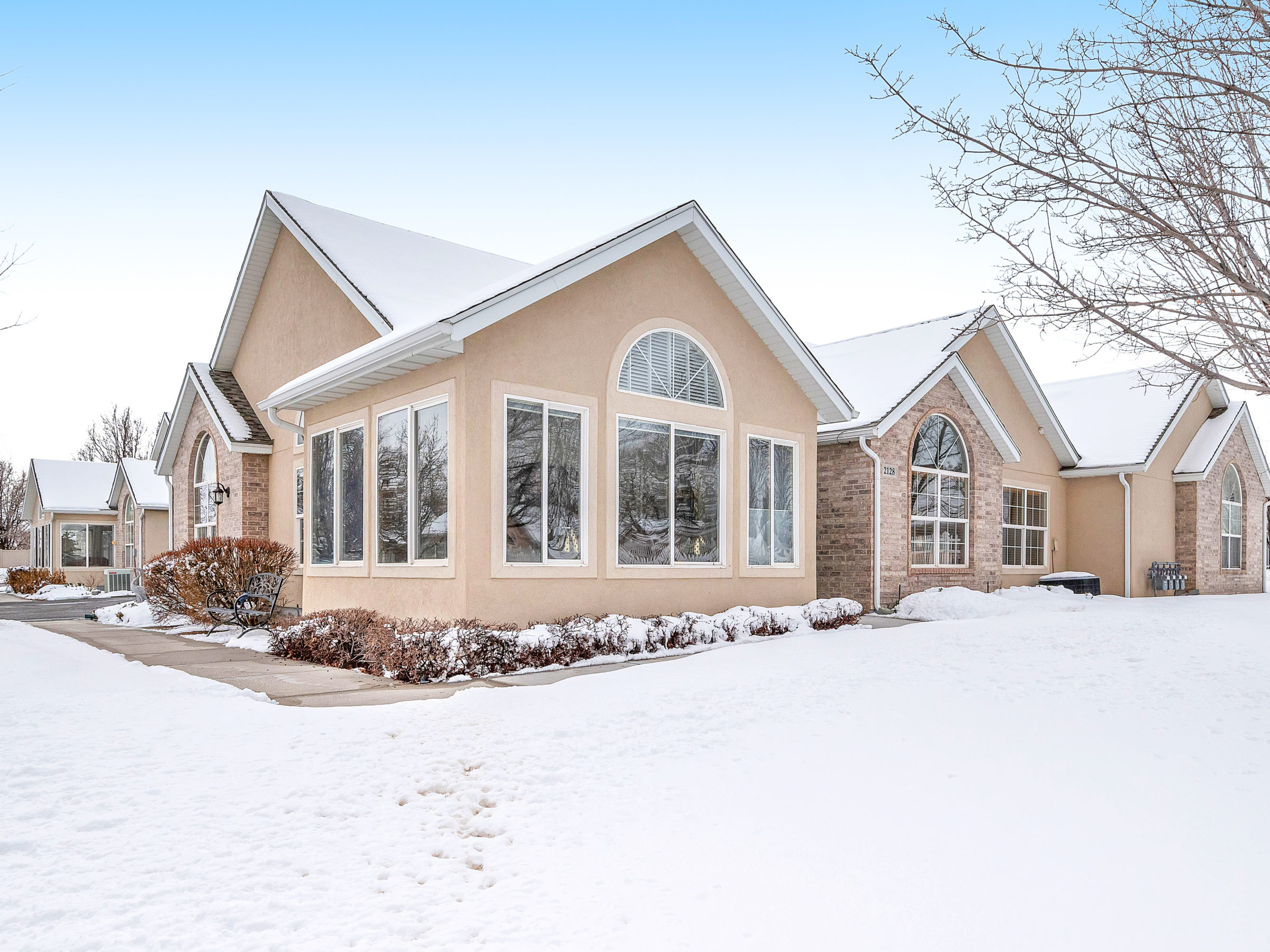
Living in a community that provides you the opportunity for meaningful social interaction is good for your health.
Read MoreEnvironmental Racism
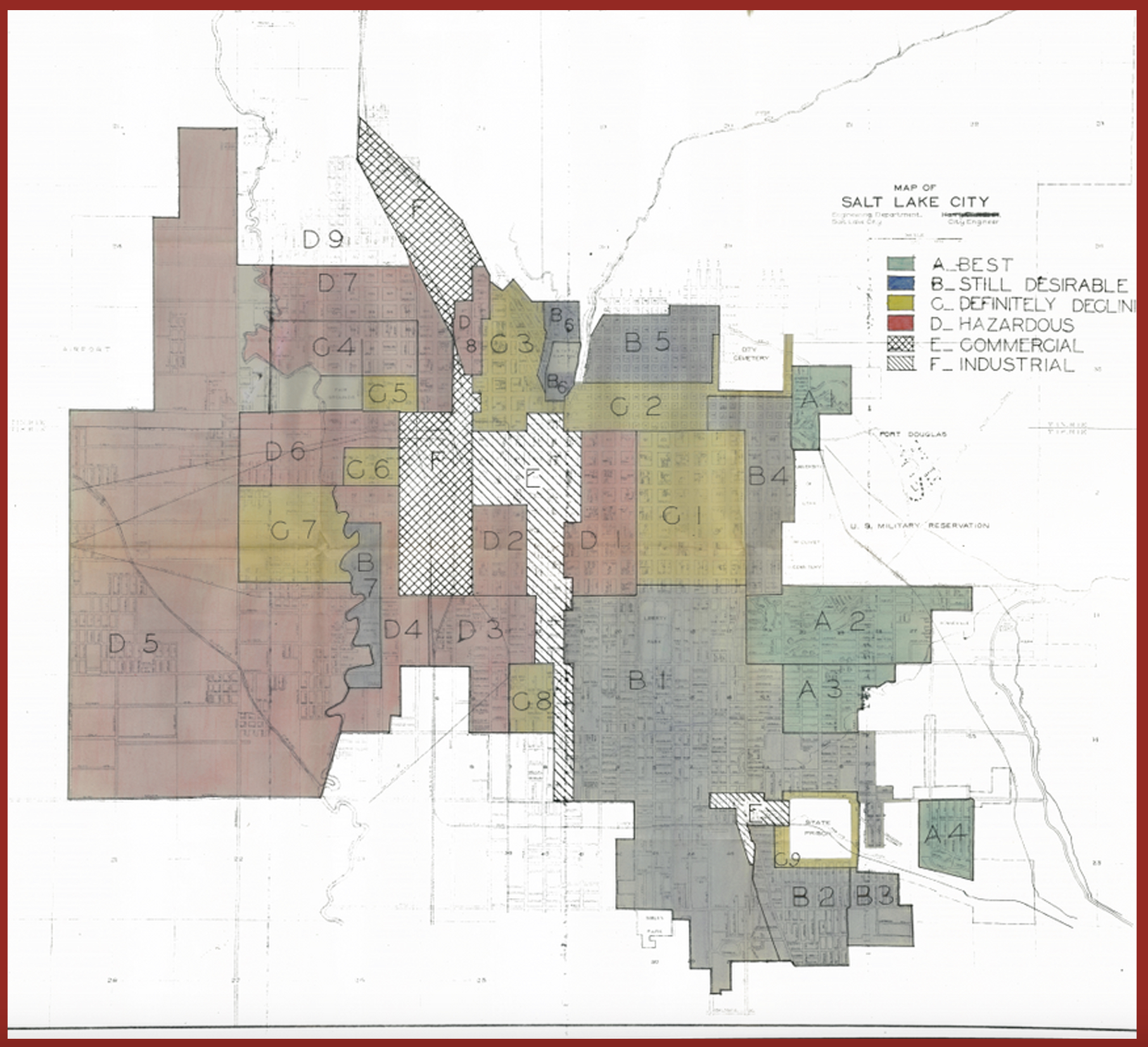
The capital city’s west side, which includes neighborhoods like Rose Park, Poplar Grove and Glendale, has grappled with many environmental challenges over the decades. They include interstate vehicle smog, oil refineries, rail yards, notoriously dirty switcher trains that blow diesel fumes and a growing international airport.
Read More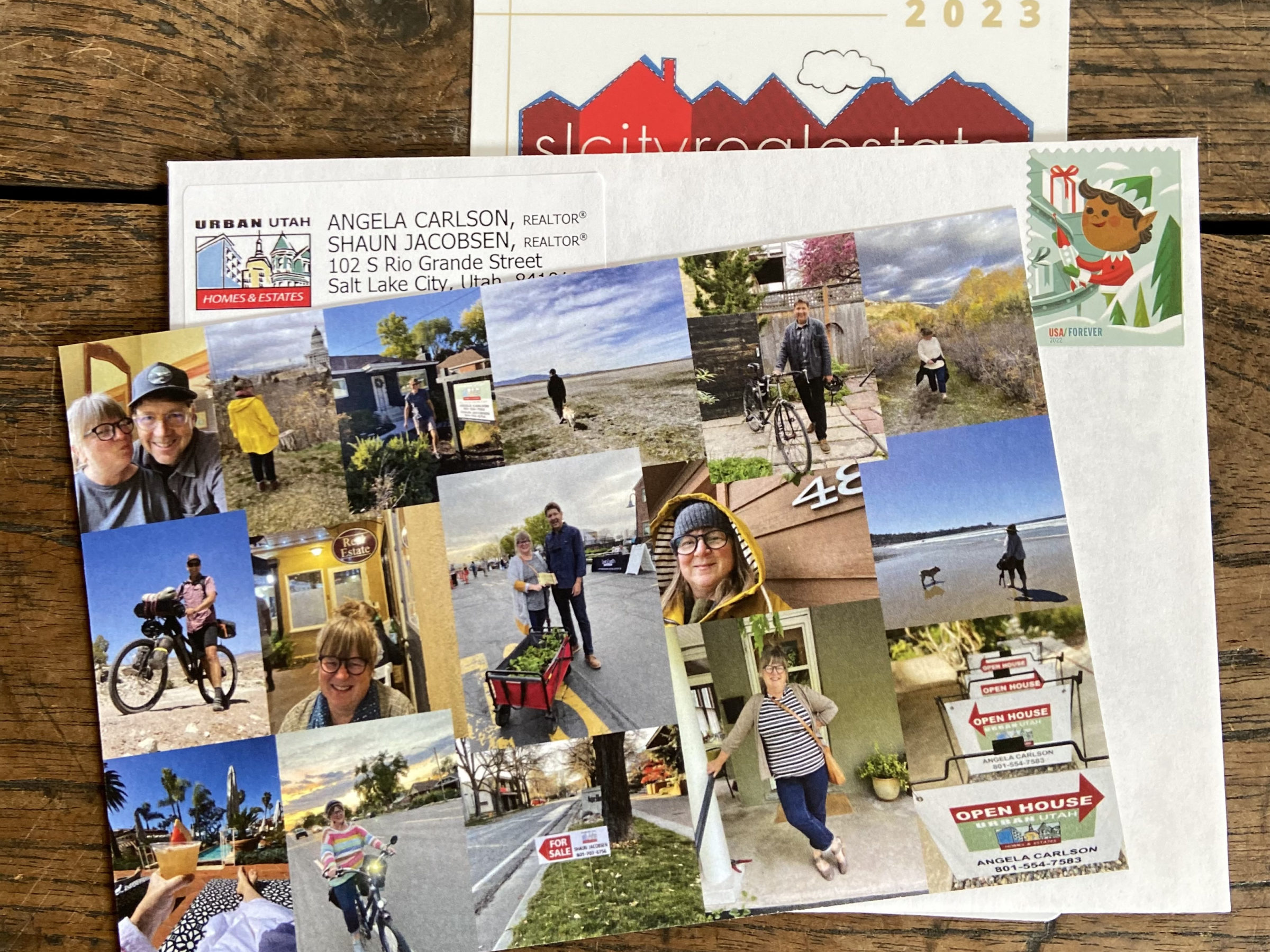
Secluded Home For Sale
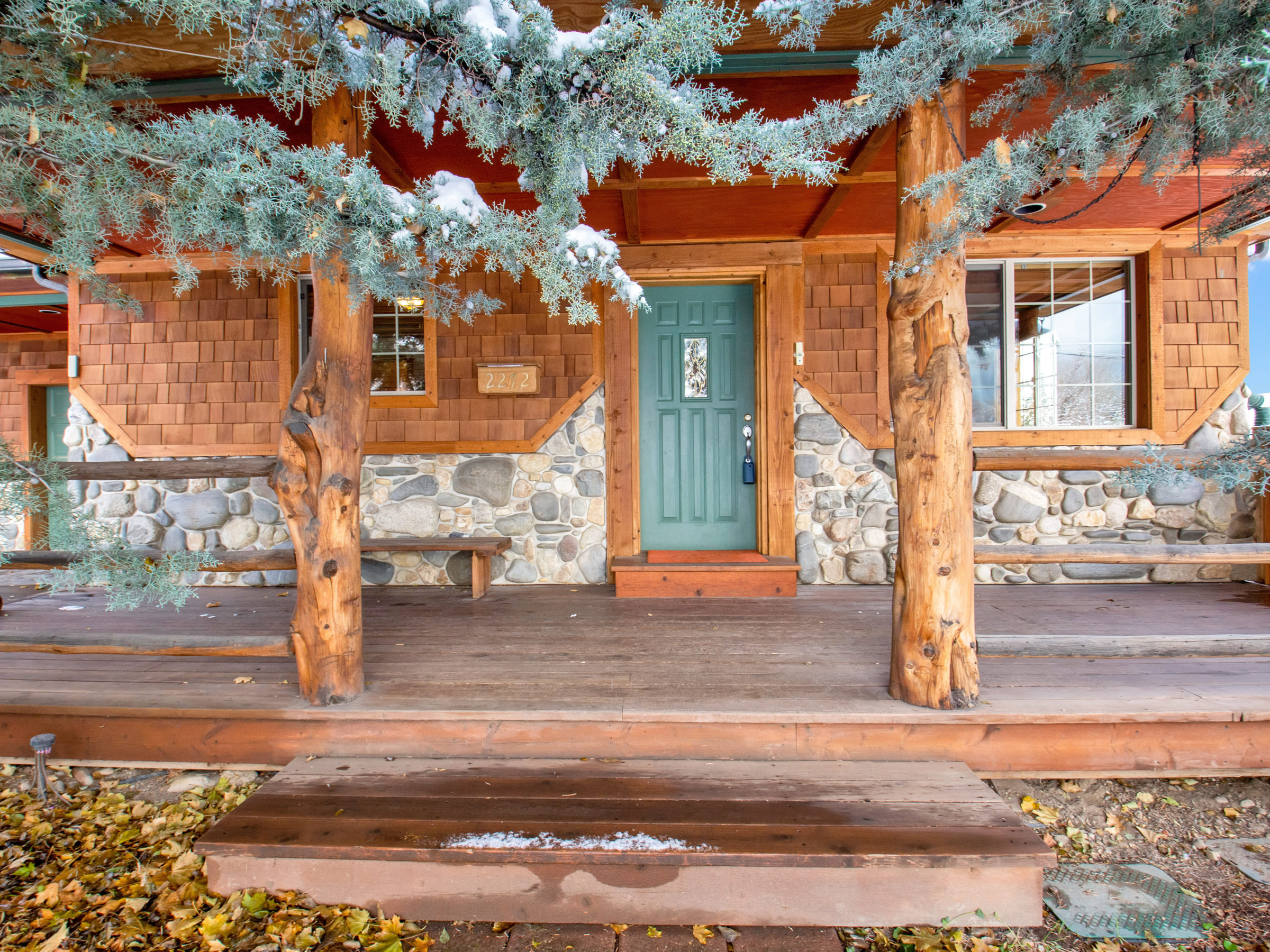
Feels like a snuggly mountain cabin conveniently tucked in a Millcreek neighborhood.
Read MoreAvenues Fourlex For Sale
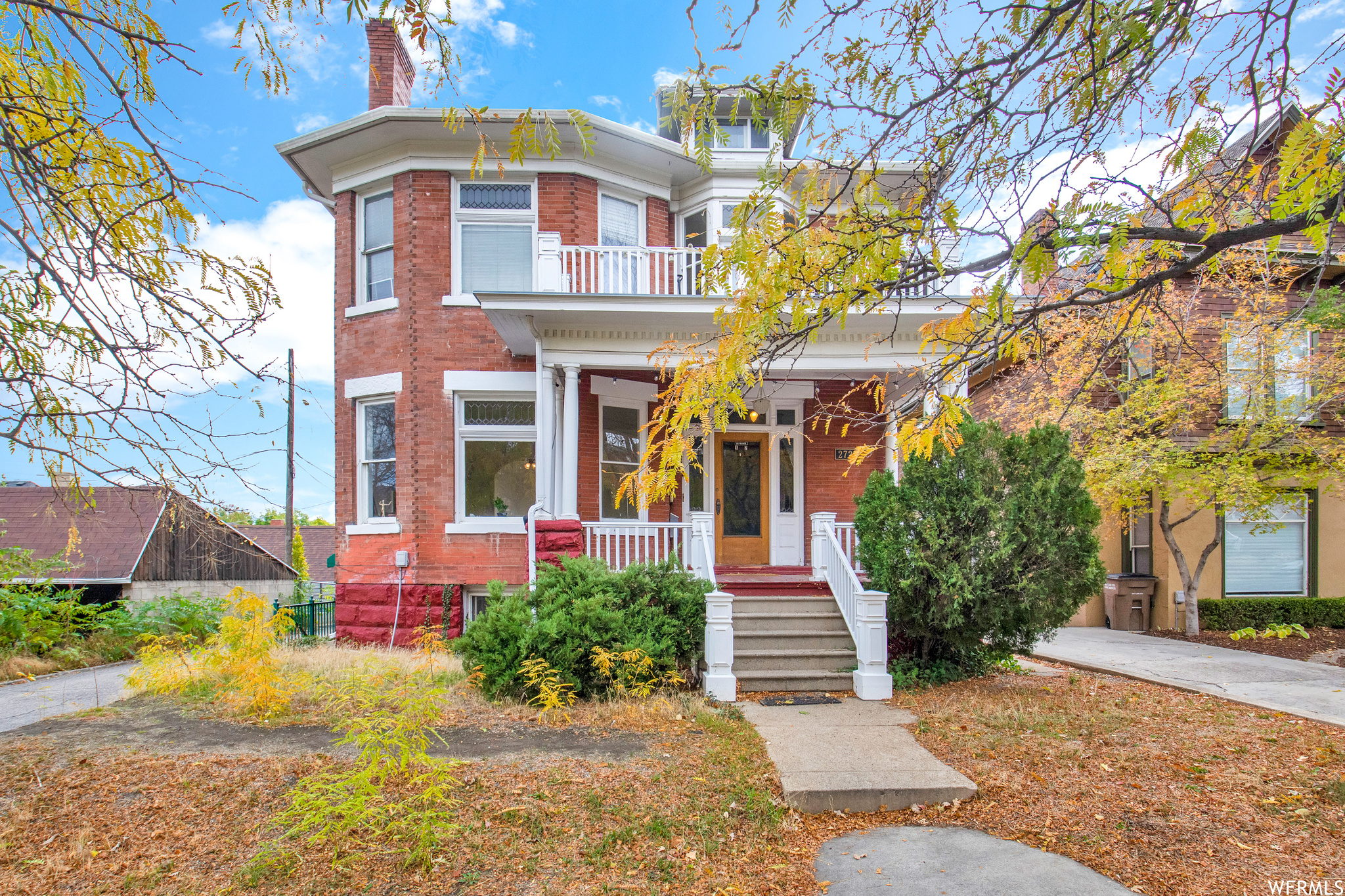
Originally built as a single family home with a basement apartment, this stately Victorian was reimagined as a fourplex in 1942.
Read MoreSunny Cottage For Sale
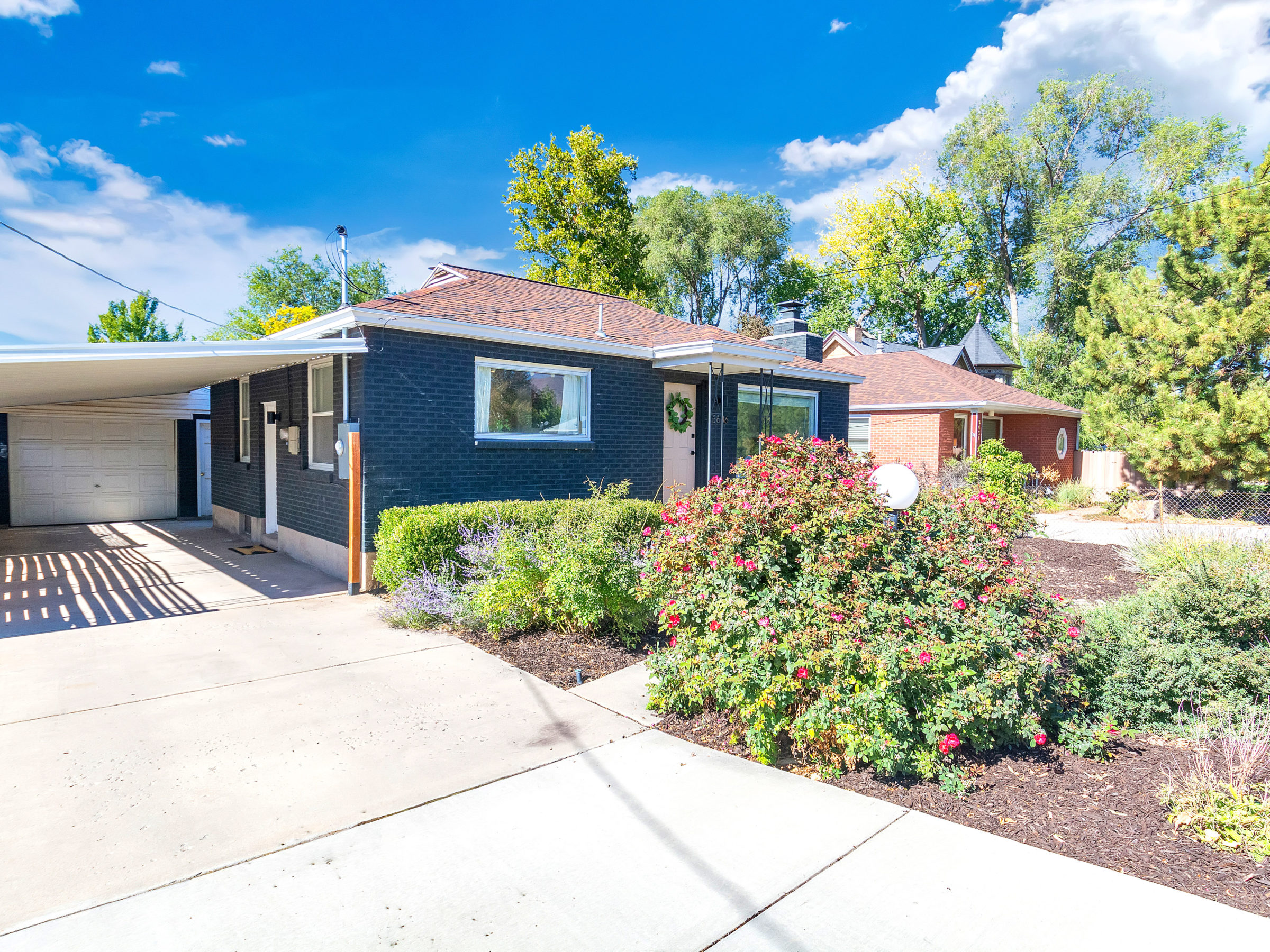
Attractive 3 bedroom 1 bath home in the vibrant Millcreek community with a spacious fenced yard, complete with seasonal irrigation for gardening that makes good sense.
Read More
Patrick Lofts #505 For Sale
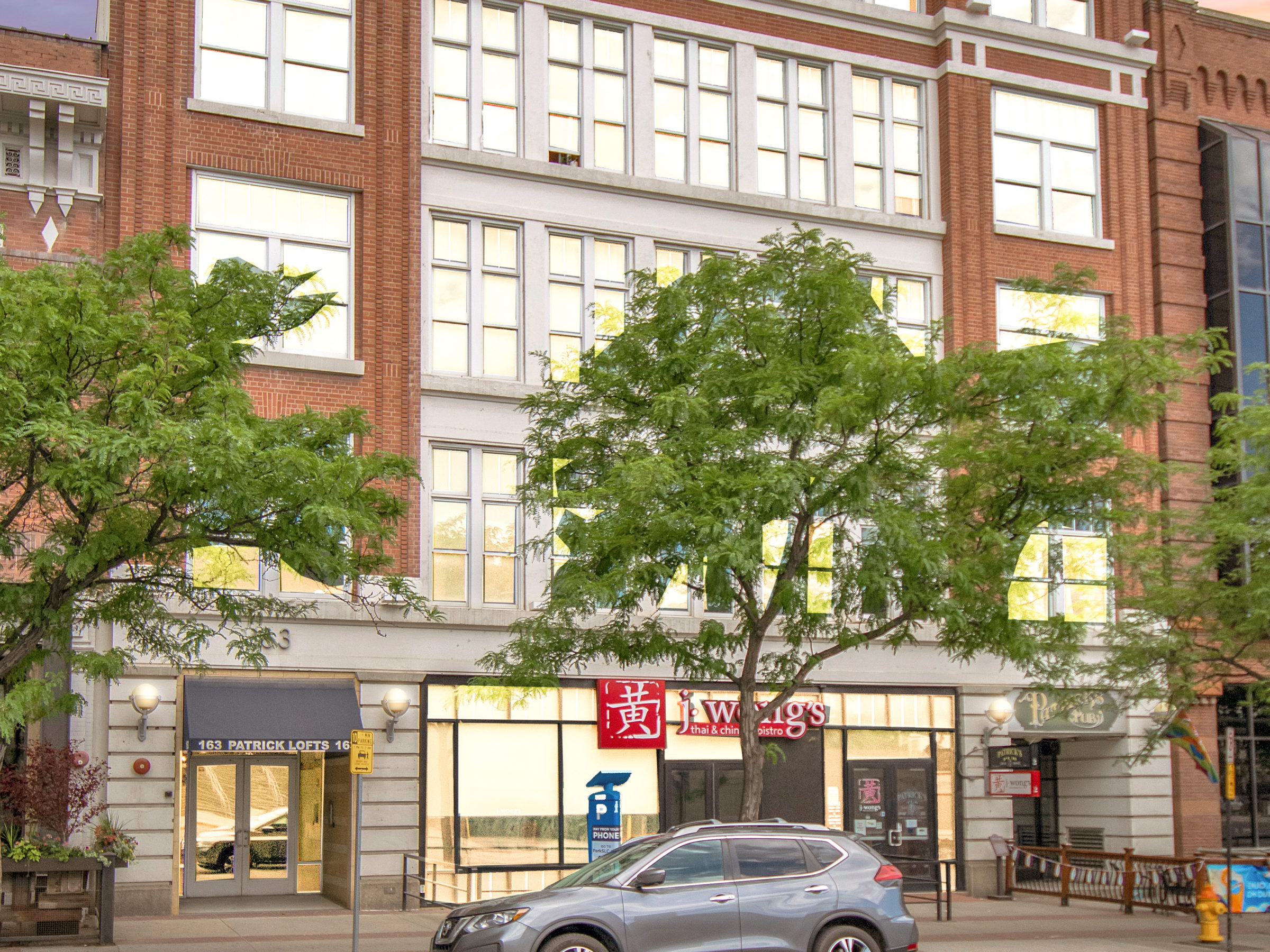
Open concept 2 bedroom 1 bath condo designed with industrial elements in the historic 1914 Patrick Dry Goods Company building.
Read MoreMarvelous Potential in Millcreek
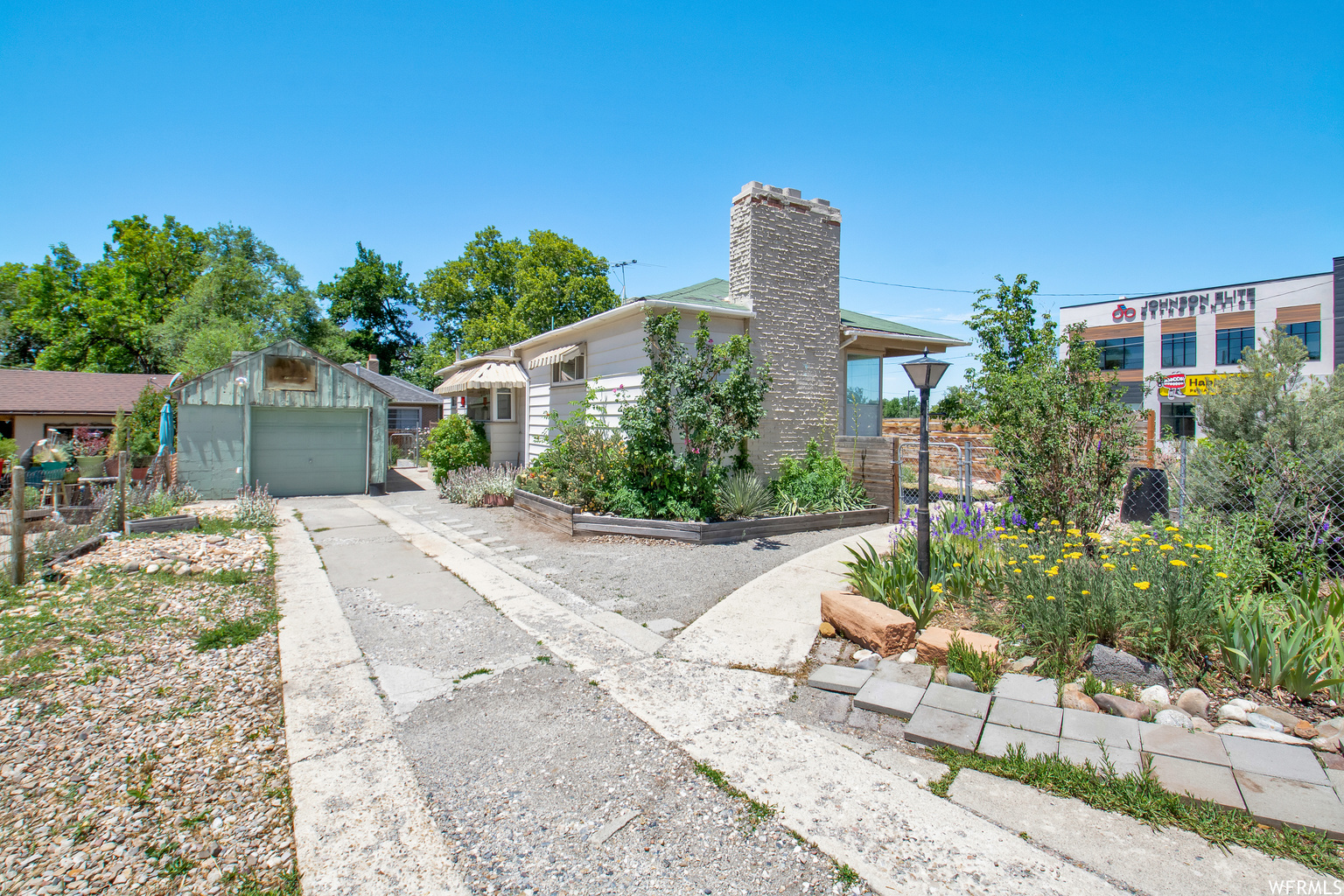
Three bedroom one bath mid-century era home for sale in the East Millcreek neighborhood, conveniently located near schools, shopping and freeway access.
Read MoreFabulously For Sale
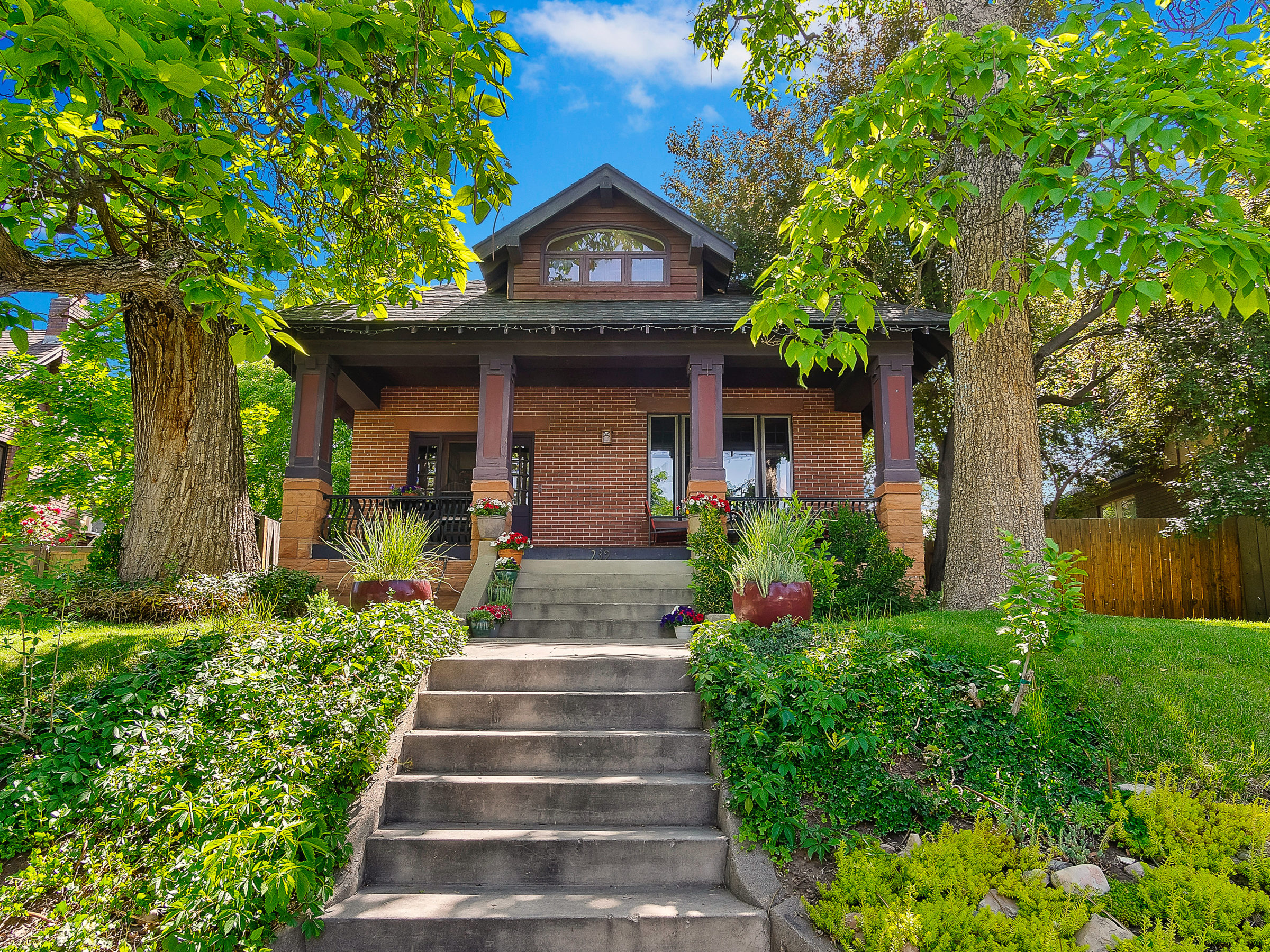
Rare opportunity to live with history in this distinctive 3 bedroom 3 bath Craftsman Bungalow on intimate Douglas Street.
Read MoreWasatch Community Gardens’ Campus Grand Opening
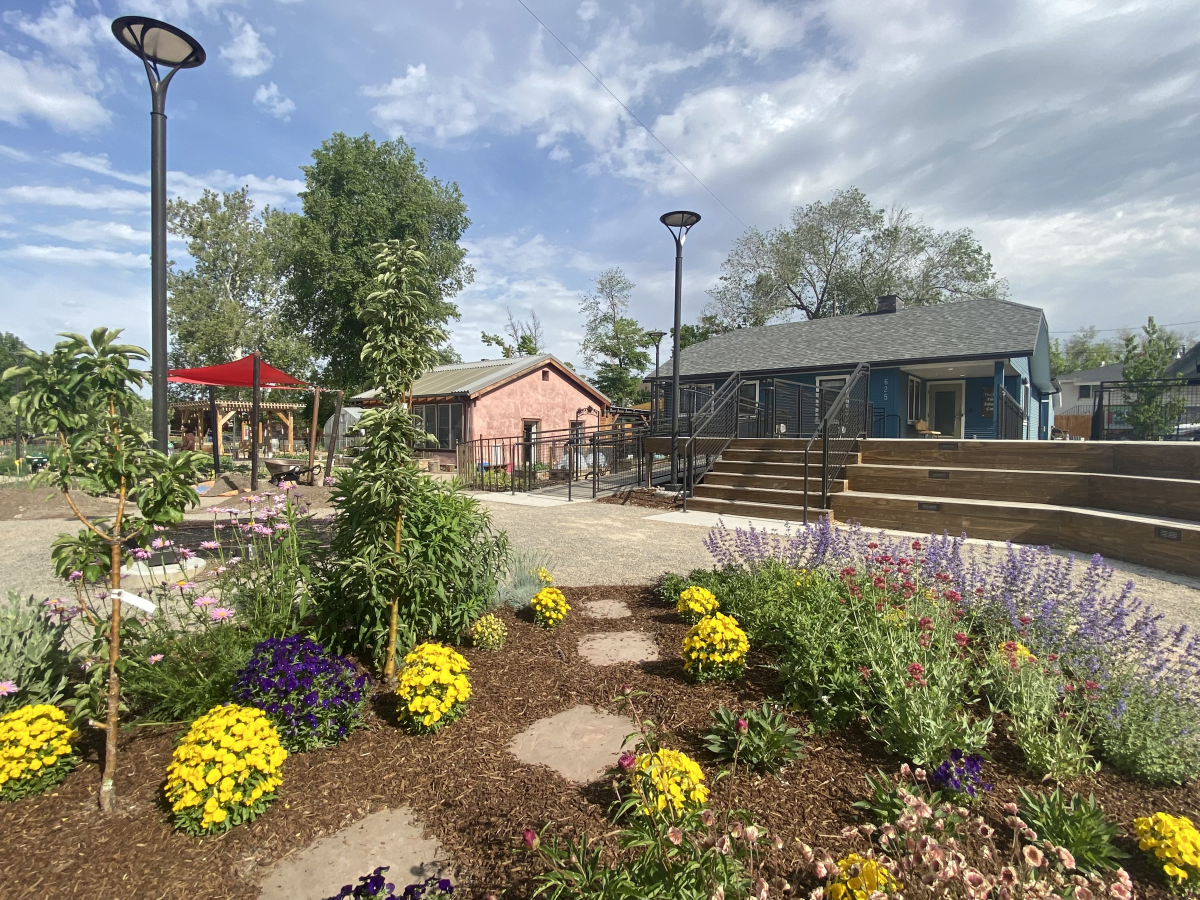
It was our great honor to represent Wasatch Community Gardens in 2017 as their Realtors for the purchase of the properties that now make up the Campus.
Read MoreSpring Newsletter 2022
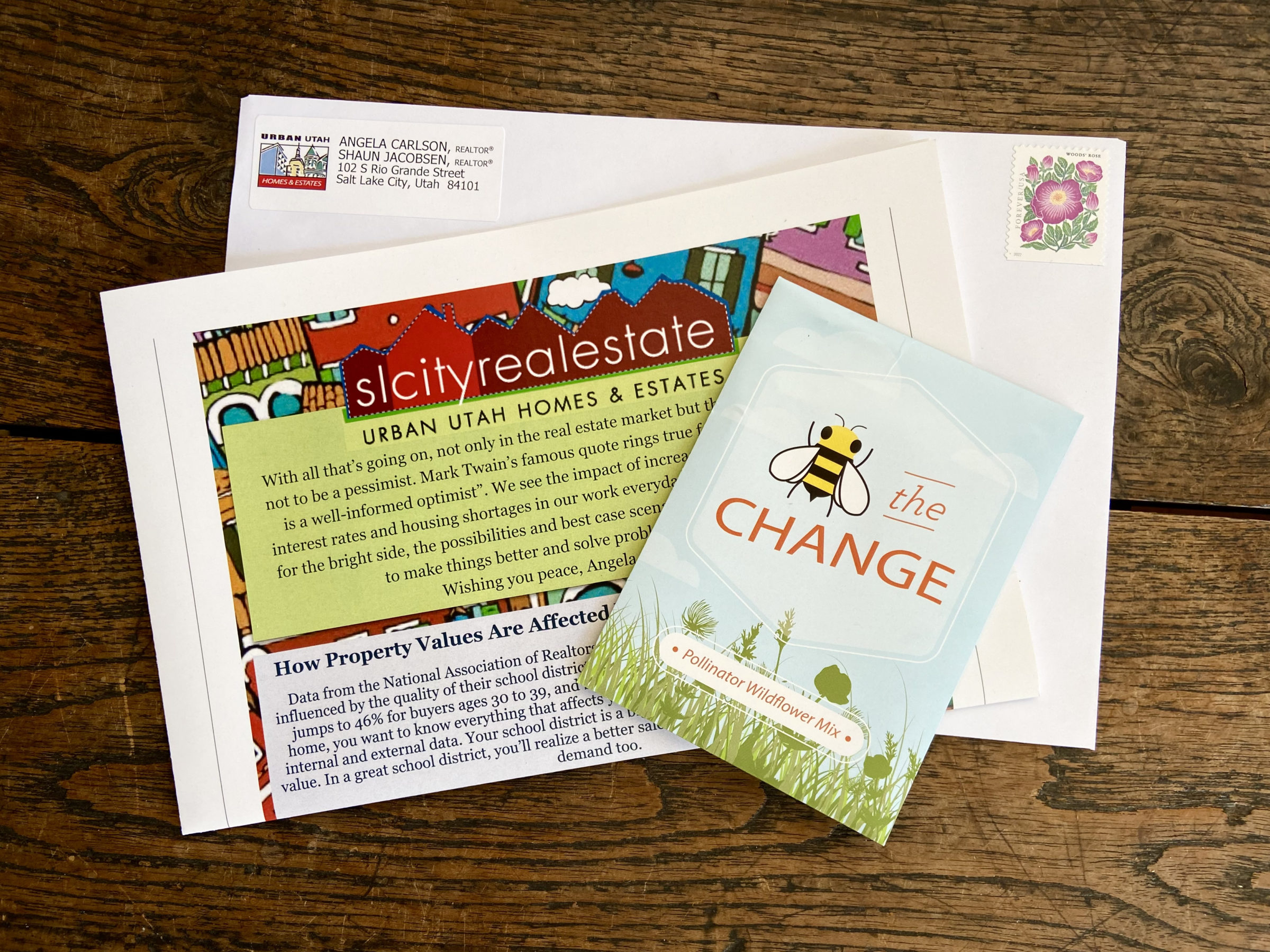
How Schools Districts Affect Property Values, Housing Watch, Downsizing Plans Gone Awry and more
Read MoreLot For Sale
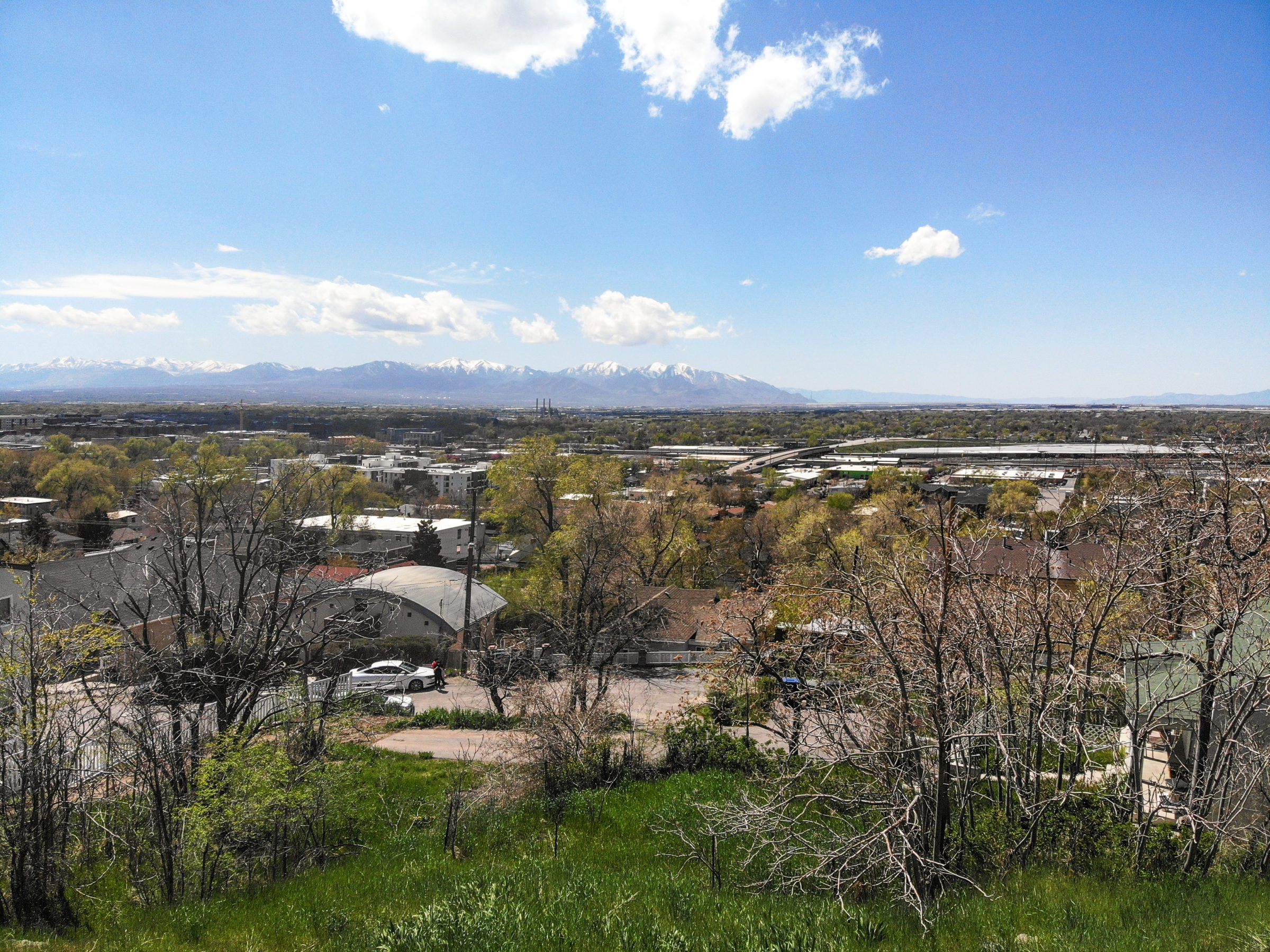
Salt Lake City building lot located on quiet West Capitol Street in the historic Marmlade district.
Read MoreLiberty Wells Cottage
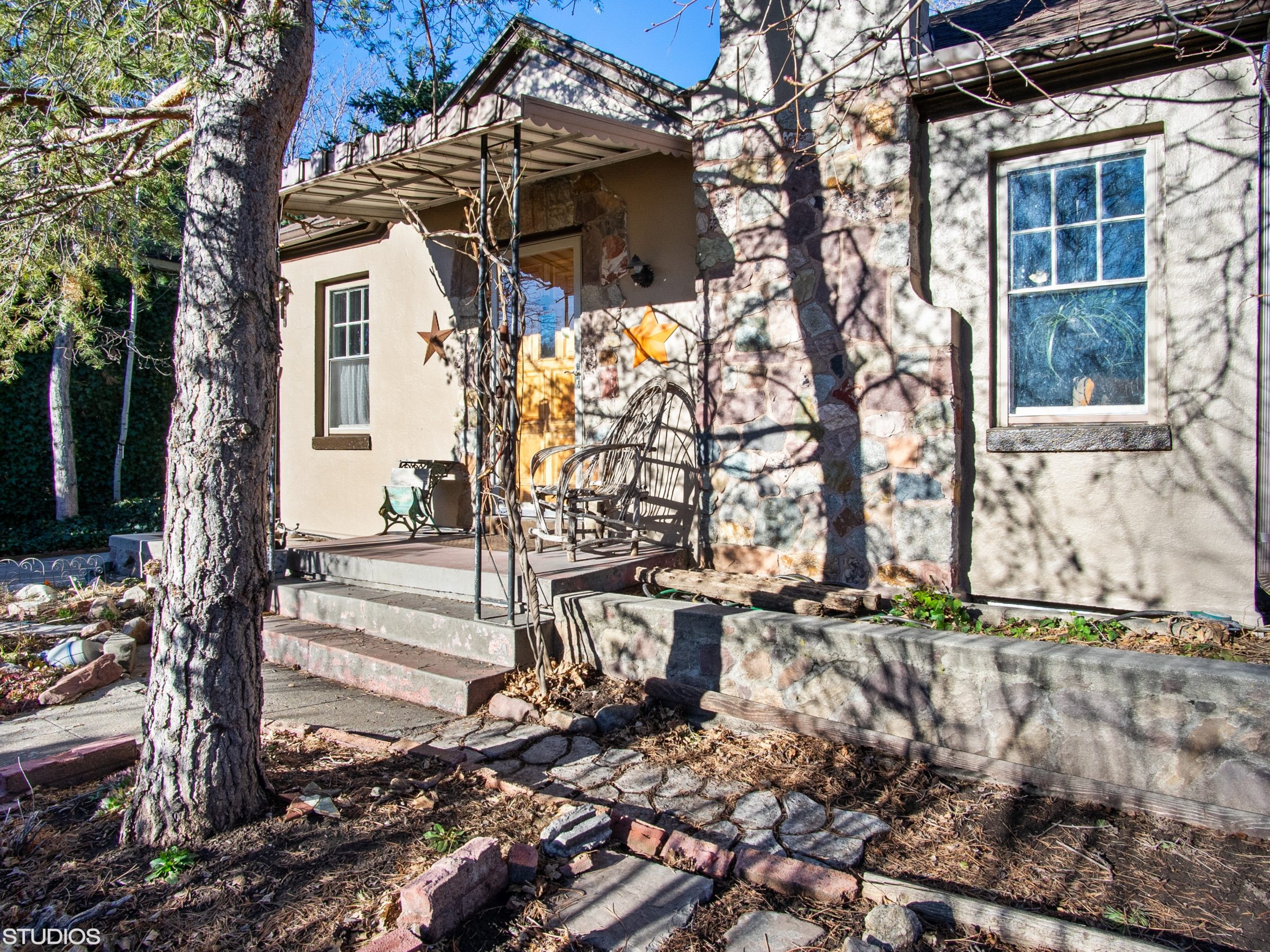
Four bedroom two bath 1930’s home embraced by perennial gardens, and topped with a new roof in 2017.
Read MoreUniversity Heights Condo
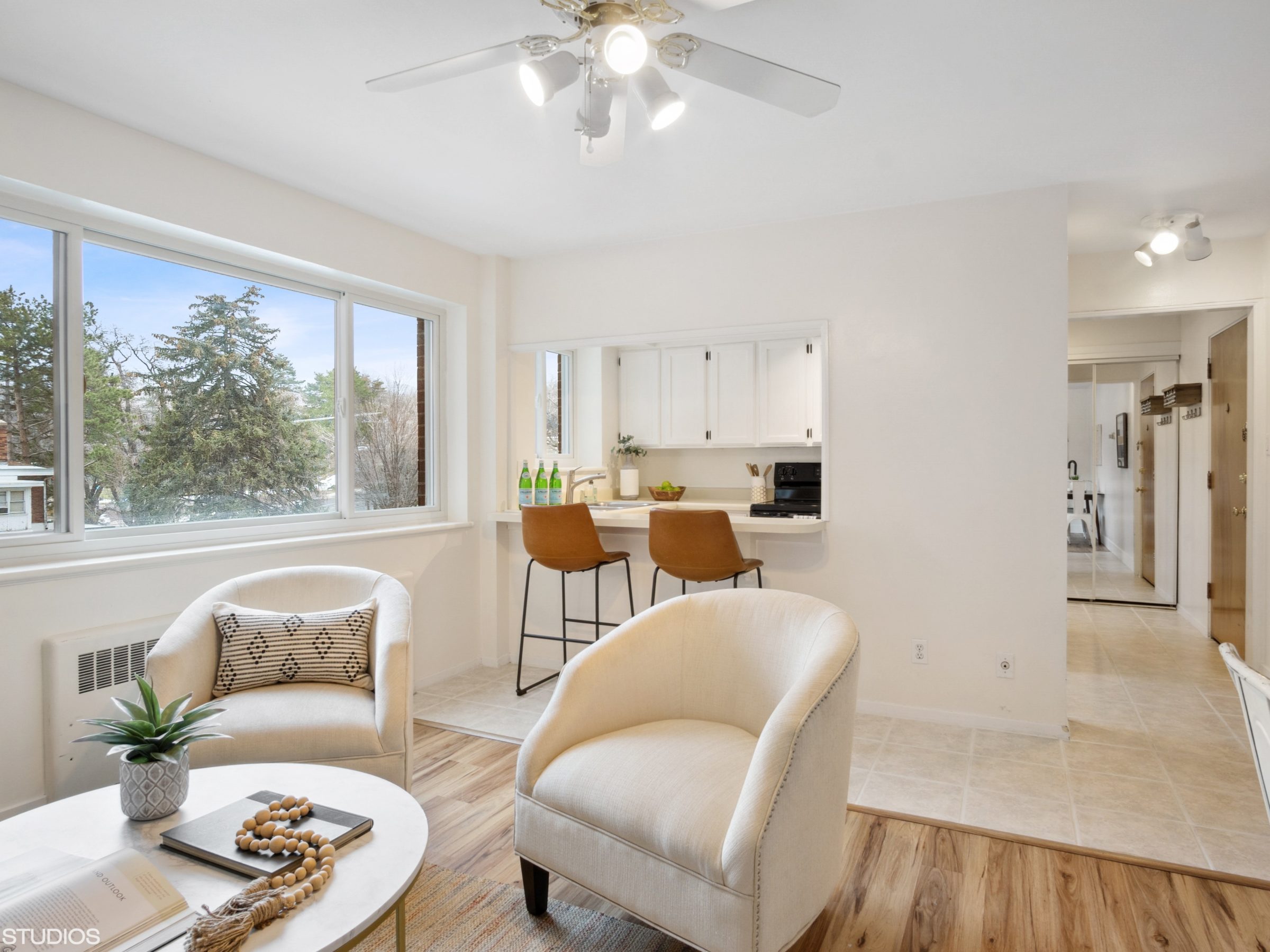
Reach new heights in this attractive one bedroom University adjacent condo with mountain views.
Read MoreStylish in Rose Park
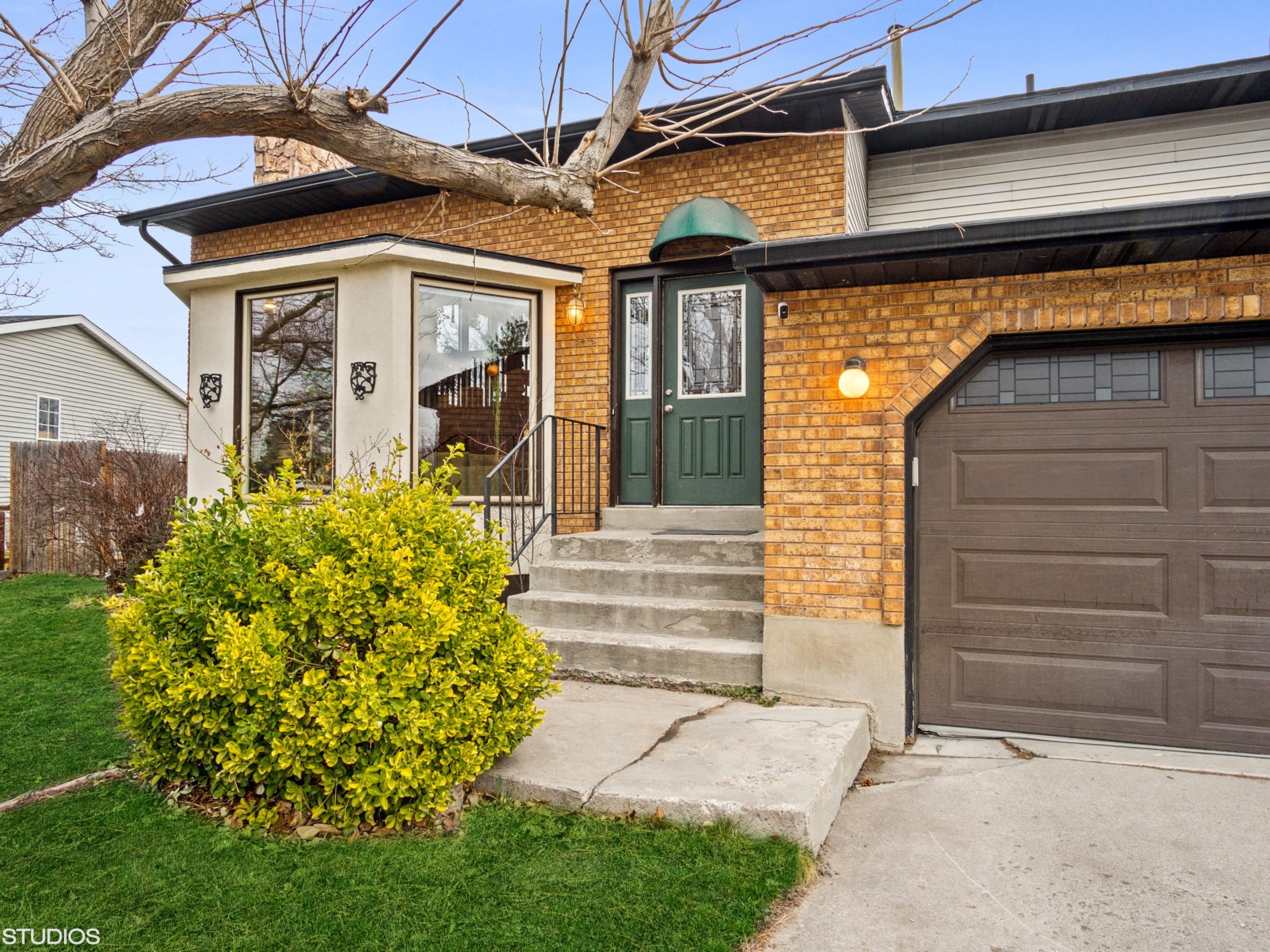
Make yourself at home in this spacious 4 bedroom 2 bath property in the sunny Westpointe neighborhood.
Read MoreIt’s a New Year And We’re Ready
What is happening with Utah’s housing prices, affordability and what is forecast for the market in 2022? These are just a few of the real estate topics we’ve delved into recently.
Read MoreFor Sale in the charming Gilmer Park neighborhood
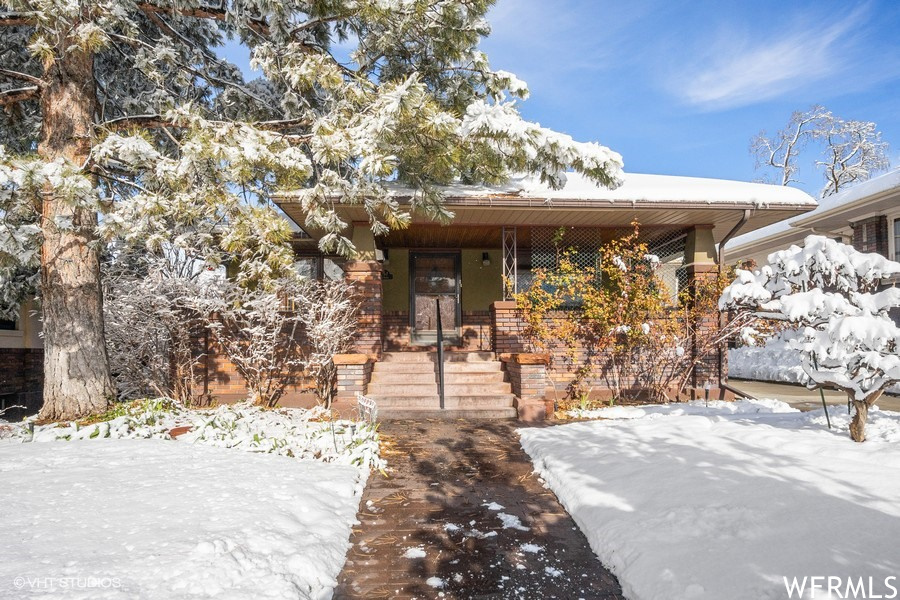
This well cared for 3 bedroom 1917 bungalow, with its craftsman style gumwood trim moldings and built-in glass front bookcases, is a welcome reprieve from the commonly seen finishes of today.
Read MoreSweet Opportunity
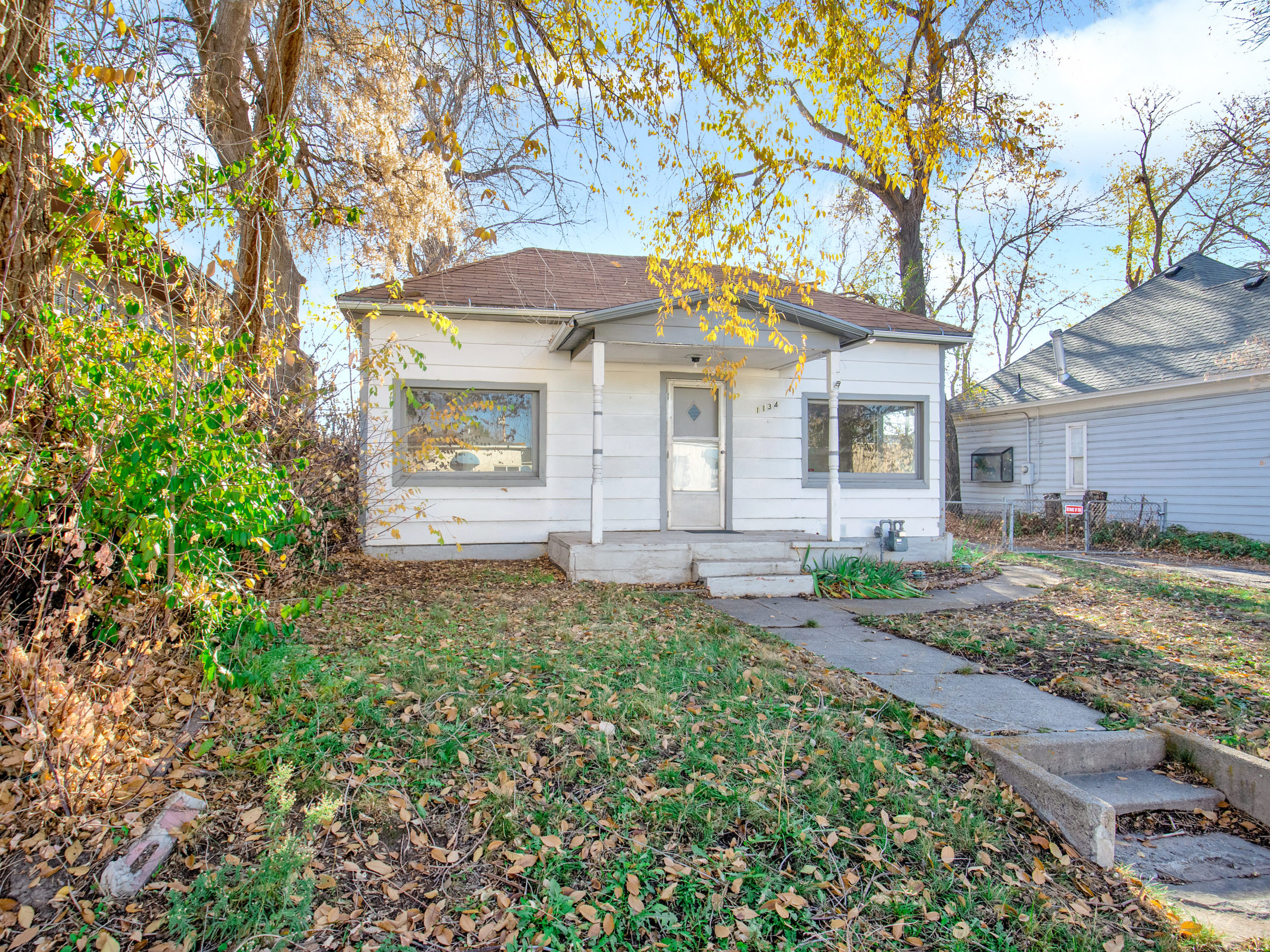
Fantastic opportunity to own a 2 bedroom 1 bath home in the heart of this vibrant Sugar House neighborhood.
Read MoreWithin reach in Rose Park
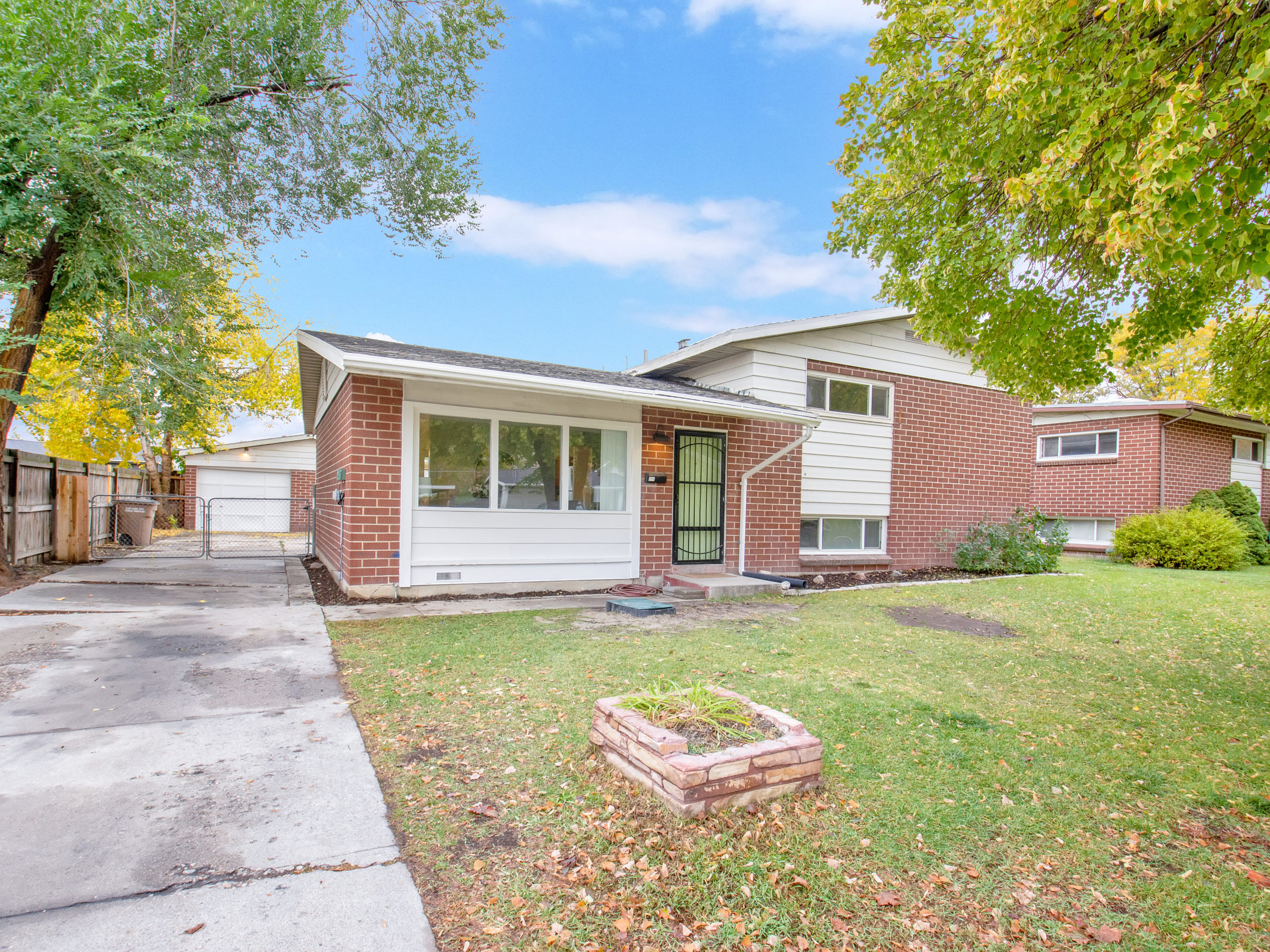
Wonderfully affordable 4 bedroom 2 bath home with a spacious one car garage in Salt Lake City proper.
Read MoreElevated In The Avenues
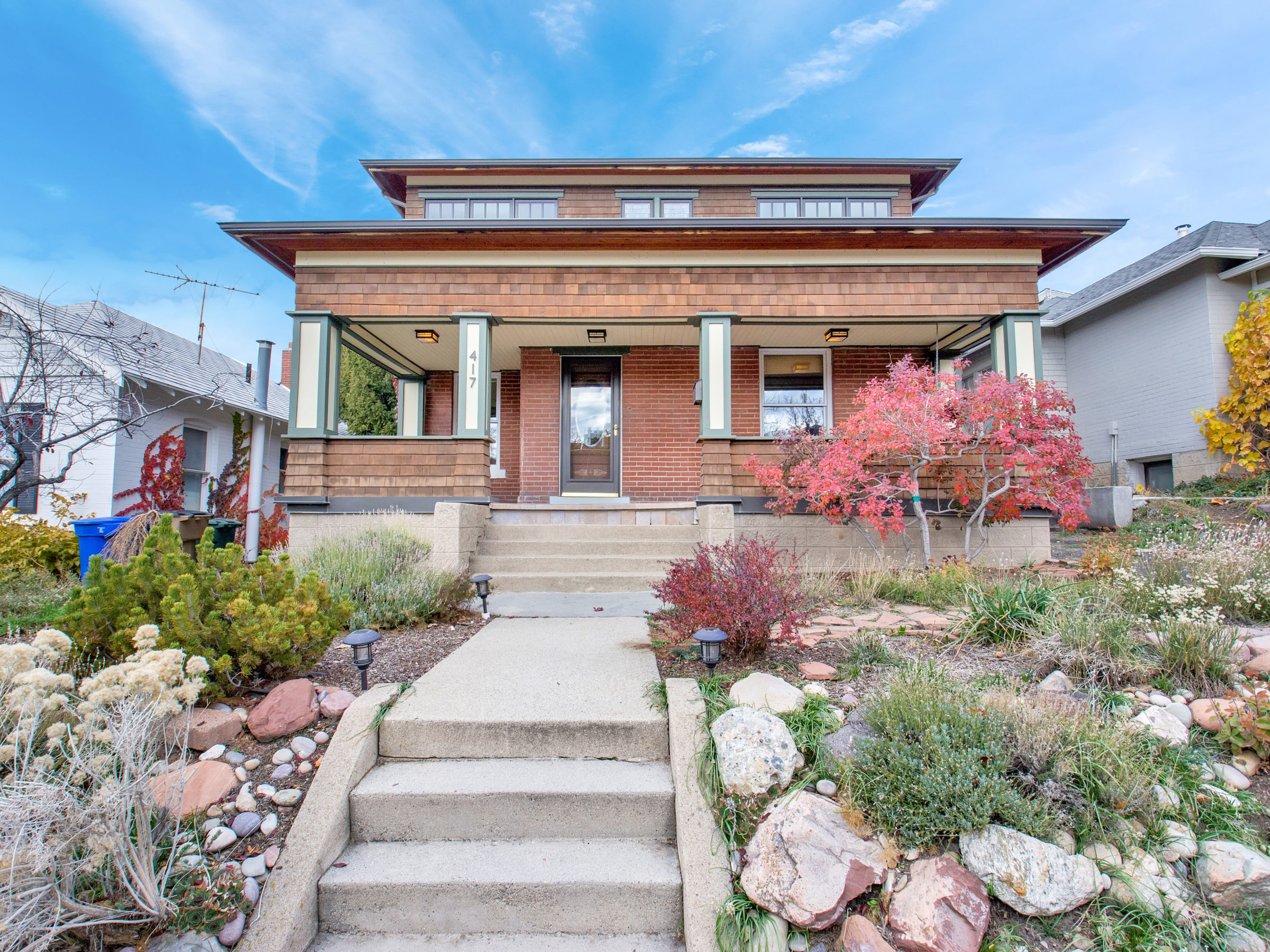
All the essential ingredients are brought together in this sunny 3 bedroom 3 bath two-story home.
Read MoreDelightful 1920’s Bungalow for sale
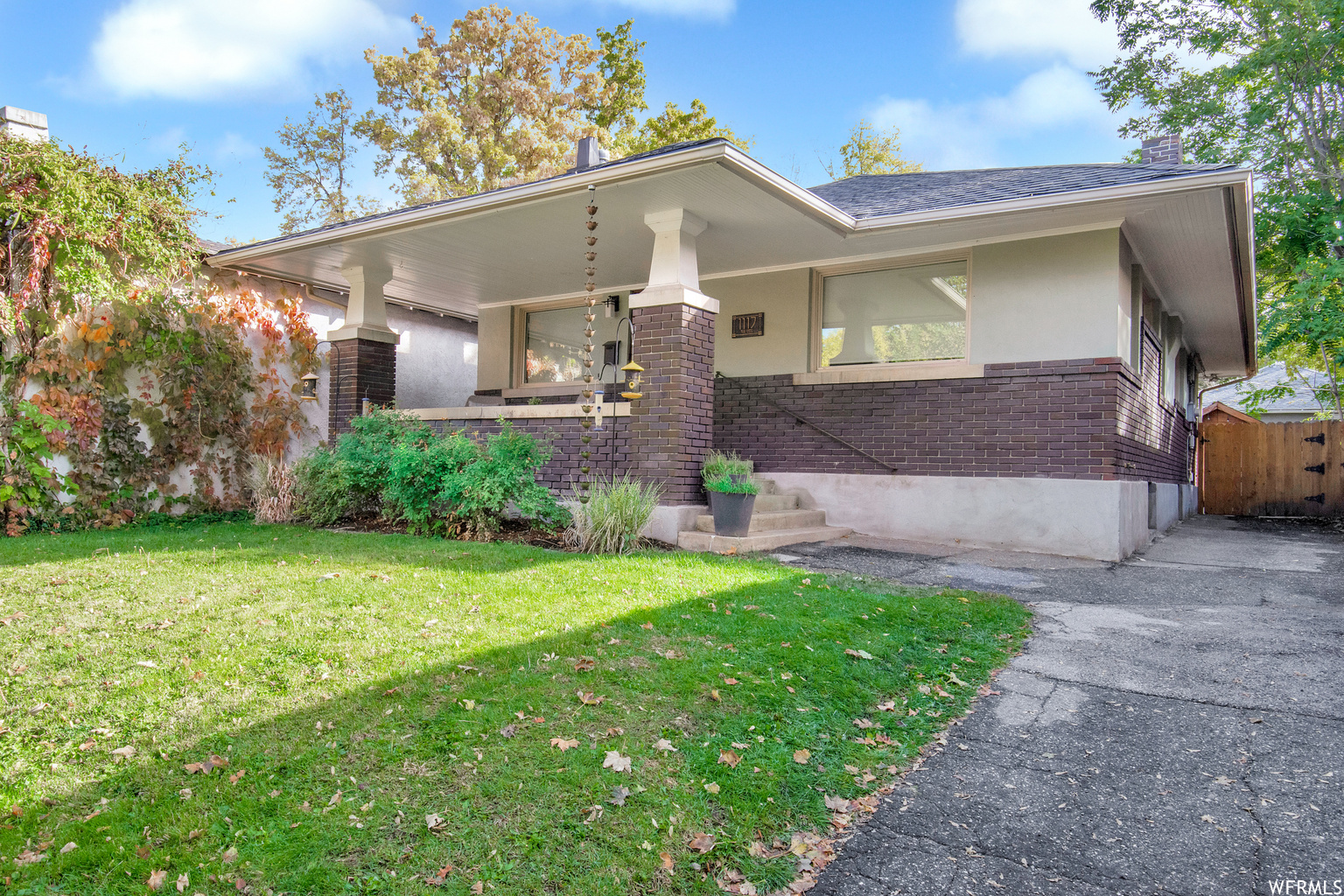
Located in one of Salt Lake City’s most enjoyable neighborhoods; this 3 bedroom 2 full bathroom home is a pleasant mix of historic charm and modern conveniences.
Read More
Cute as a Bug Cottage For Sale
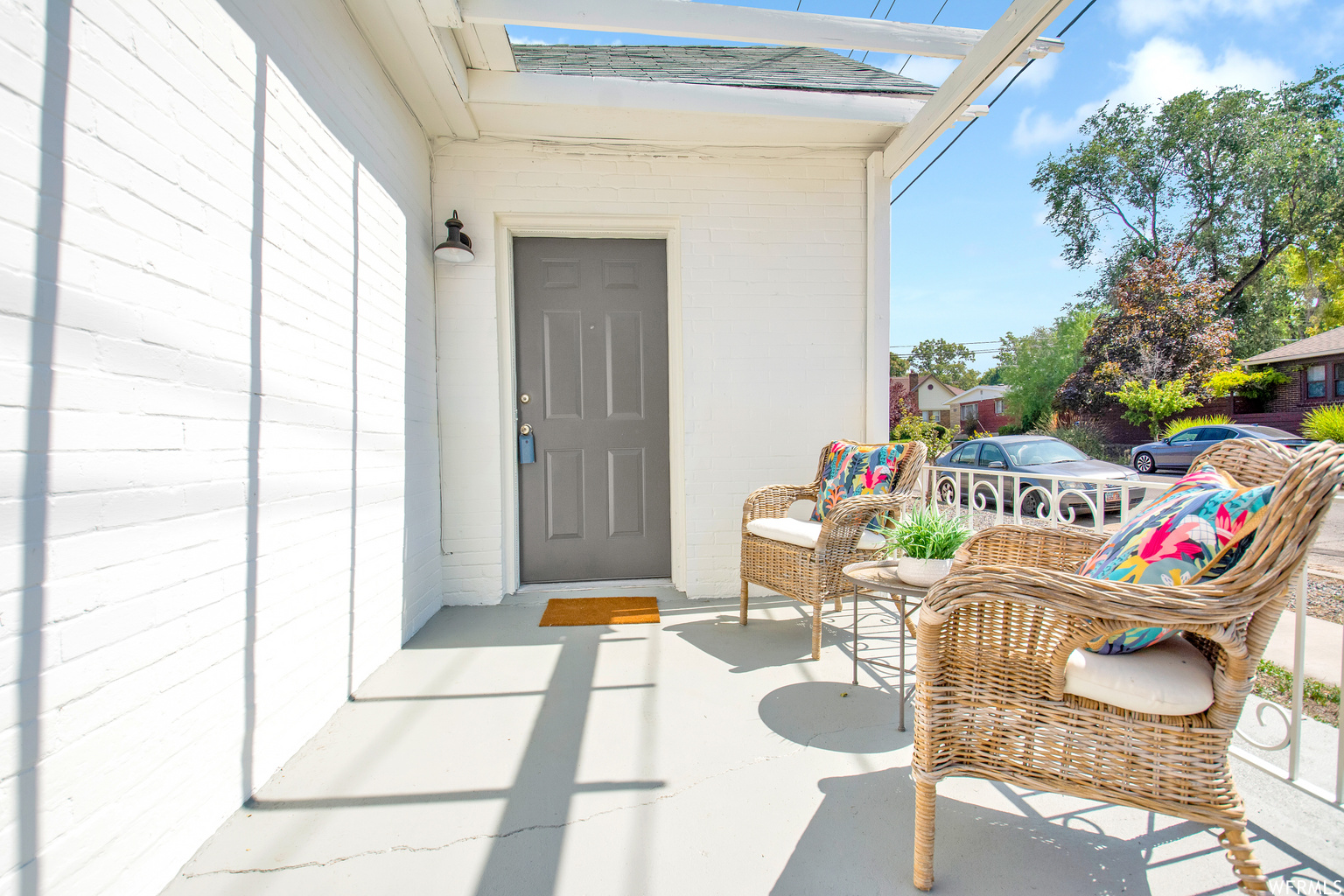
This sunny one bedroom home is perfectly positioned between the heart of Sugar House and the 9th & 9th neighborhoods.
Read MoreWasatch Community Garden’s Urban Garden & Farm Tour Since 2009

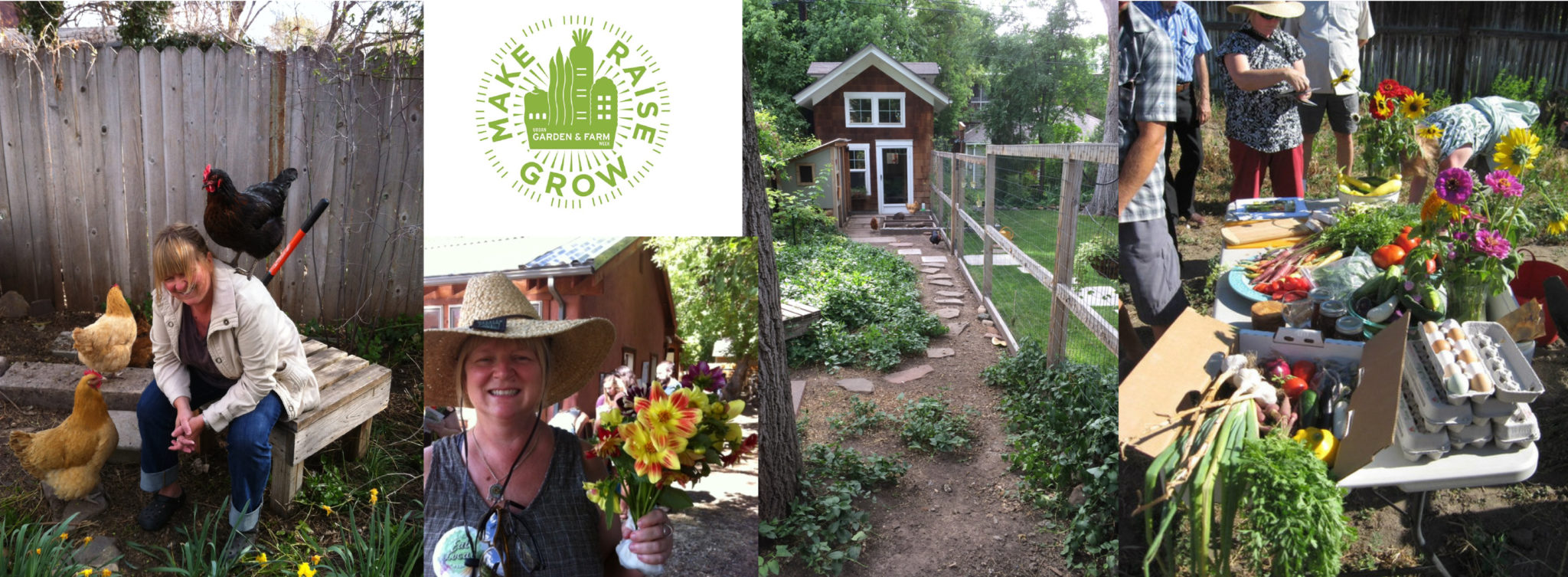
We are long-time supporters, Tour takers and Tour hosts. Our yearly sponsorship of Wasatch Community Gardens programming began in 2009 with the backyard chicken-centric Tour de Coops.
Read MoreHome For Sale In Highland Acres
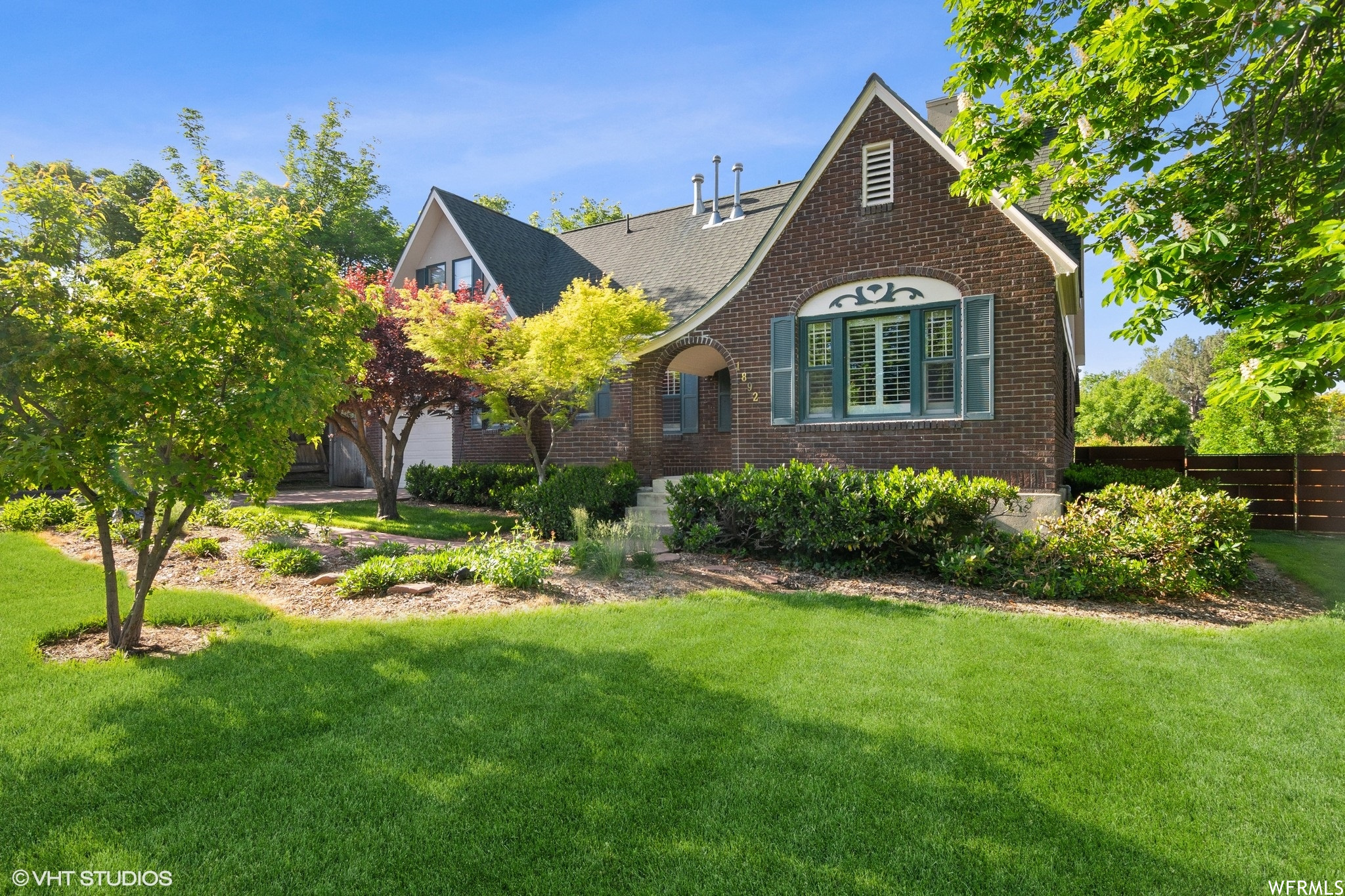
Located in a quiet residential neighborhood close to the city, this 4 bedroom 2 bath well-loved home was built to last.
Read More
Fabulous Two-Storey Home For Sale
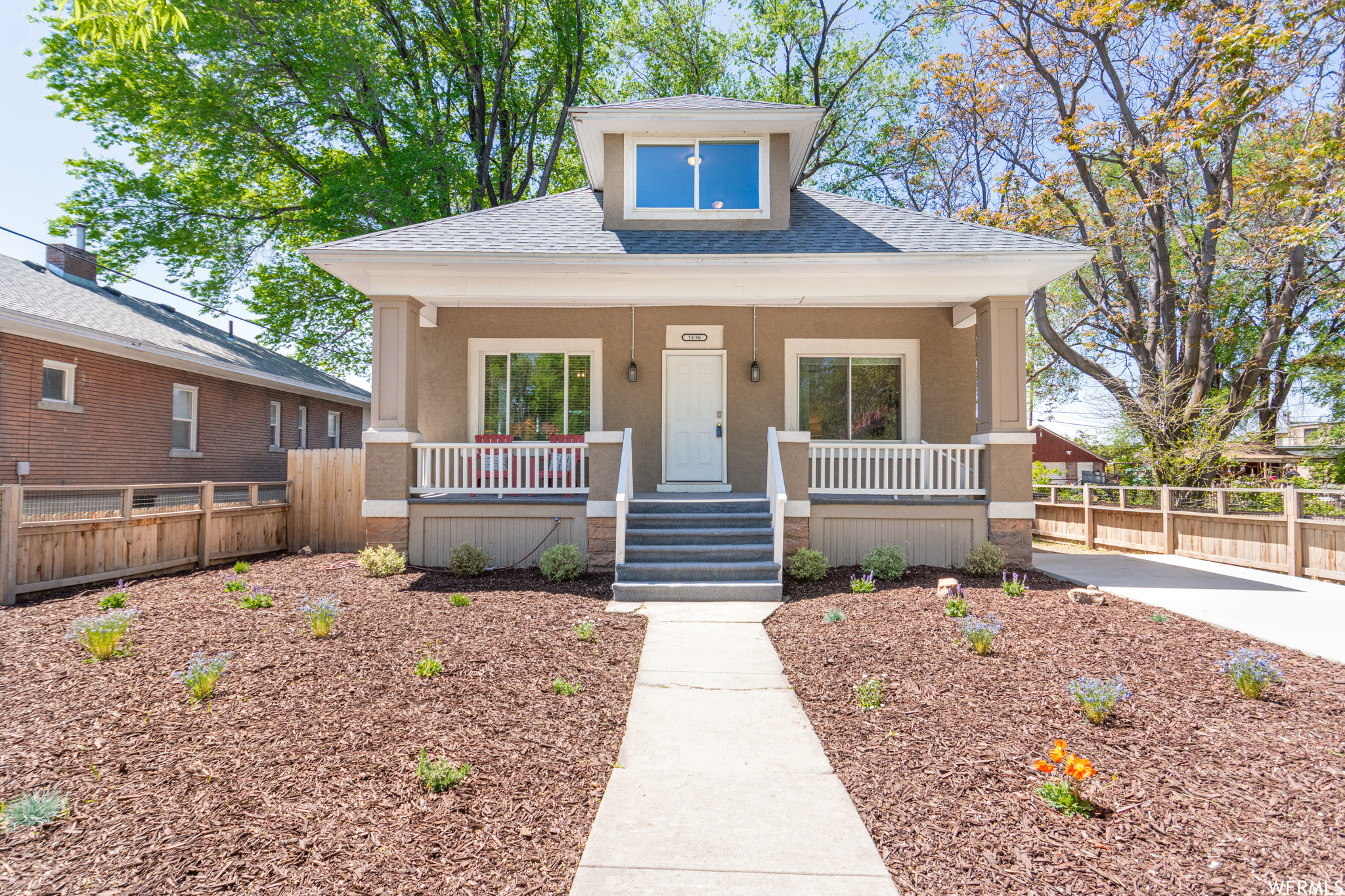
This 4 bedroom 2 bathroom Victorian is located in a neighborhood that is quickly becoming one of the more vibrant areas of the City.
Read MoreCentral City Condo For Sale
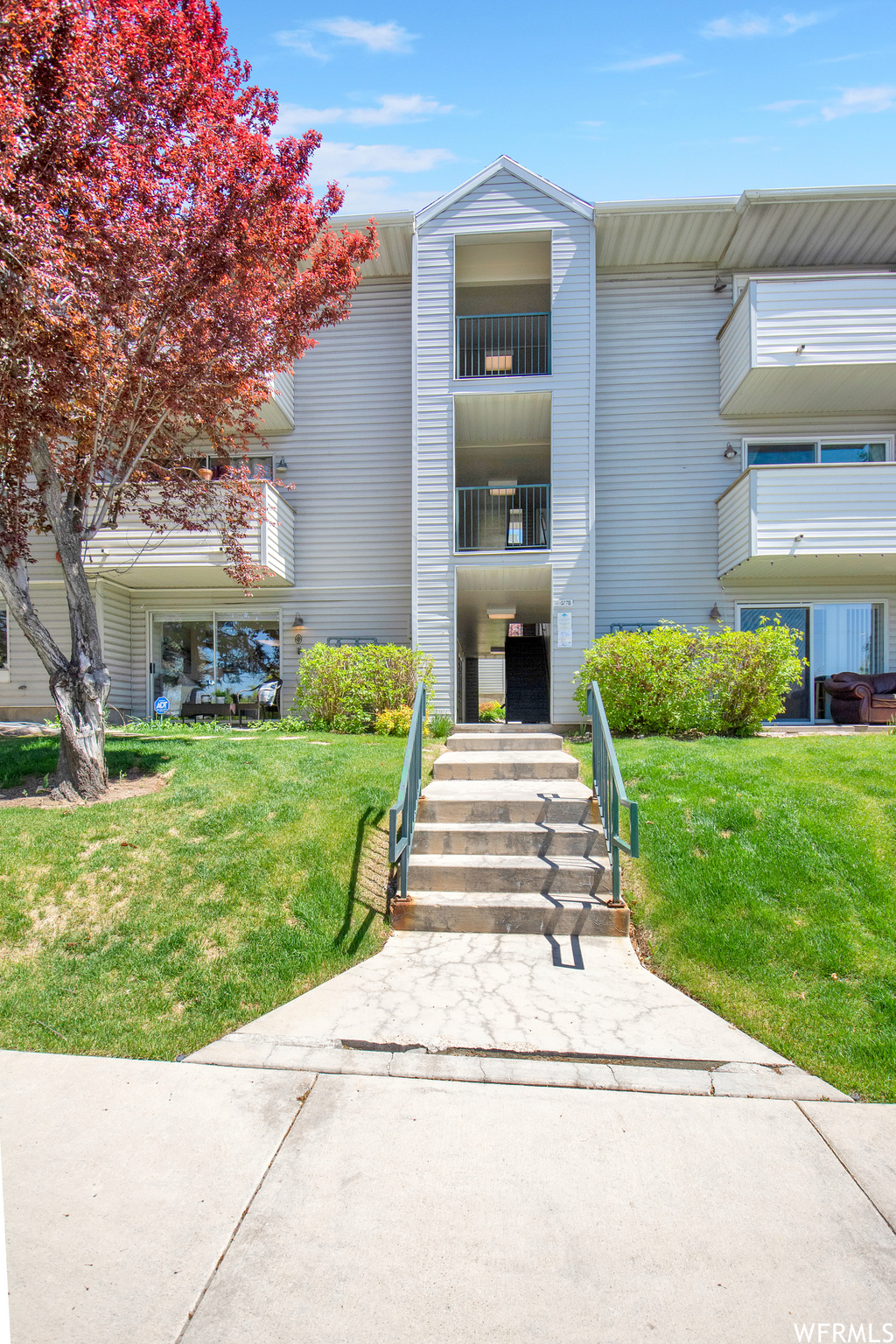
Pleasantly located just blocks from the University Trax line, the 9th & 9th business district, grocery stores, restaurants, coffee shops, and Trolley Square.
Read MorePoplar Grove Cottage For Sale
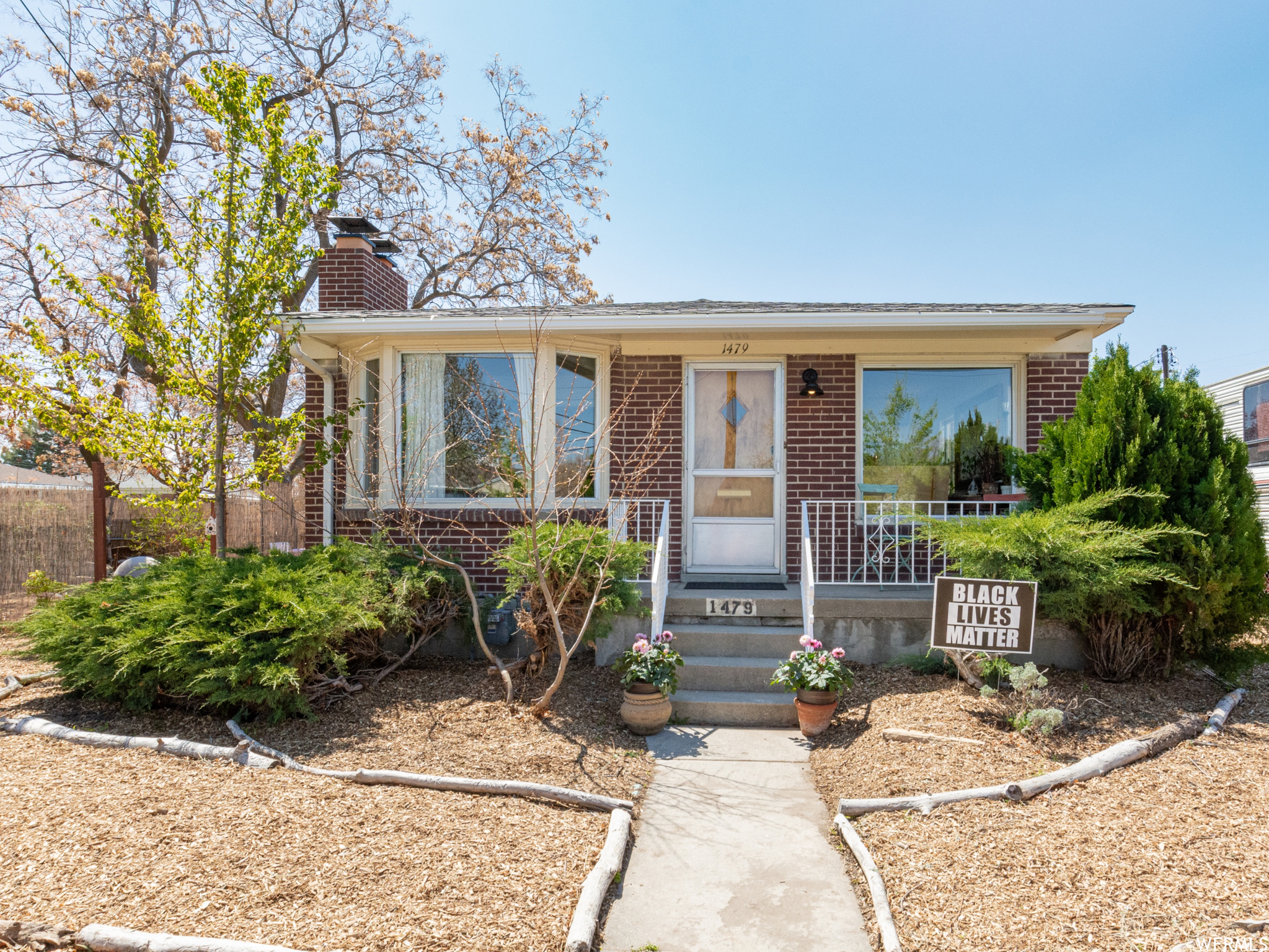
Your home search just got a little rosier with the arrival of this charming cottage to the market.
Read MoreSpring Newsletter 2021

Downsizing With Friends, Increased Sales for Vacation Homes, $15,000 Tax Credit For Buyer’s Down Payment & More
Read MoreWhat does your home say about you…
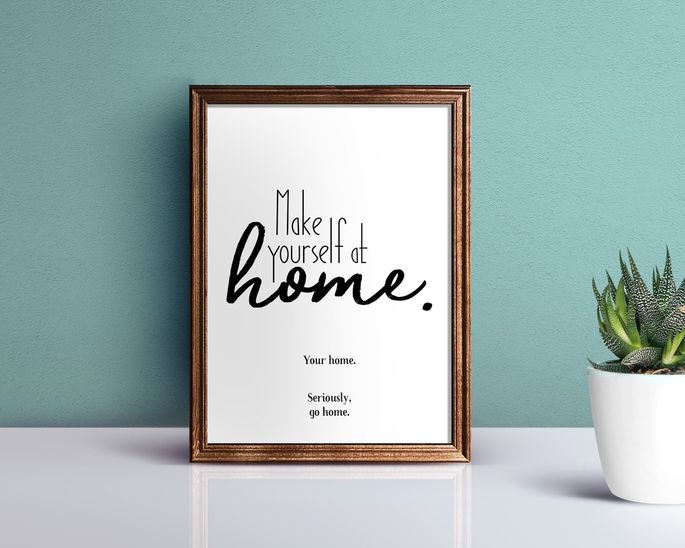
When we started in this profession we could not have known how instinctually we would weave ourselves into our work.
Read MoreTerrific Triplex to Buy
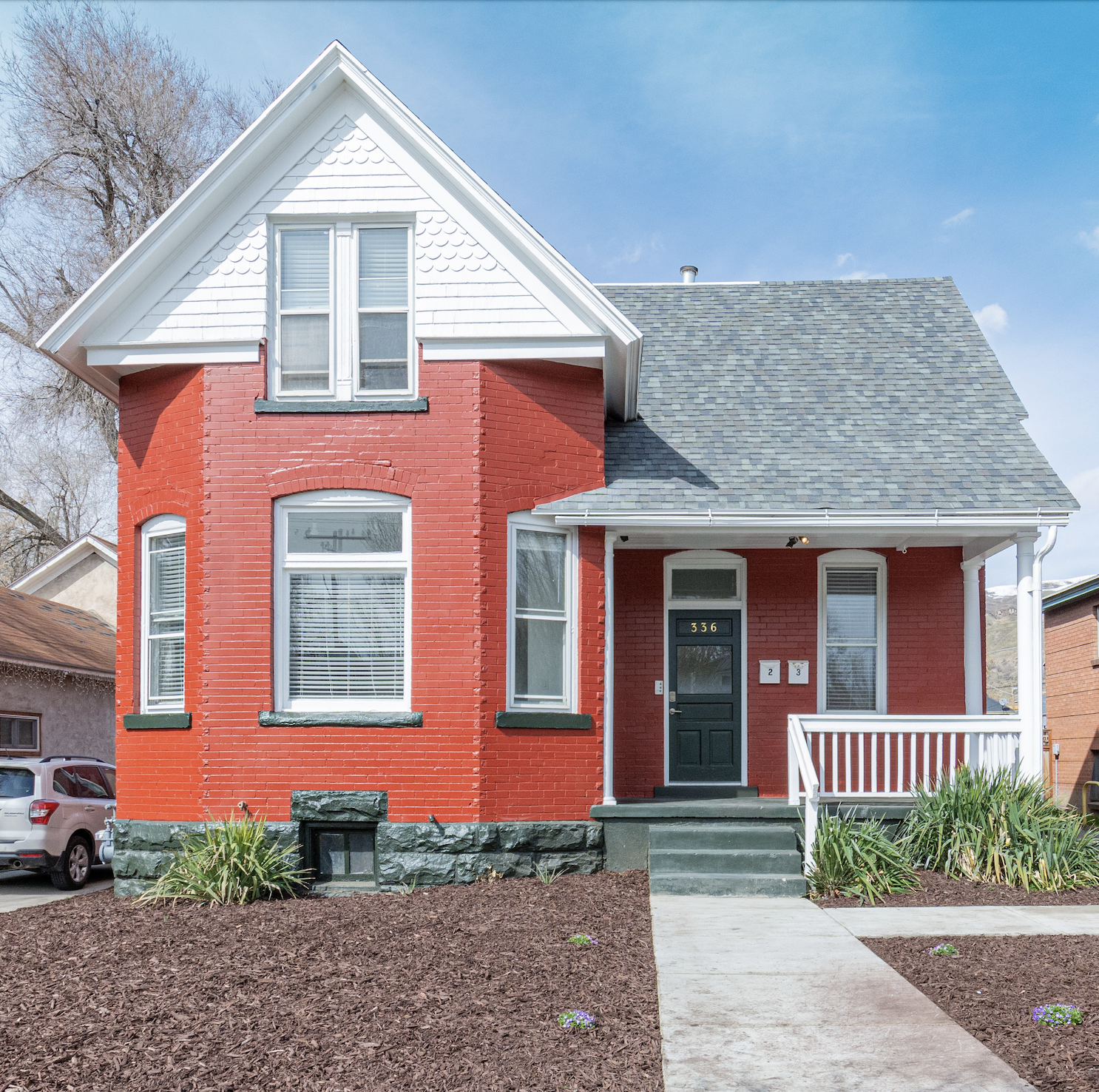
A lot has changed in Salt Lake City since 1908, thankfully this historic Victorian era home has remained.
Read MorePerfect Avenues Perch
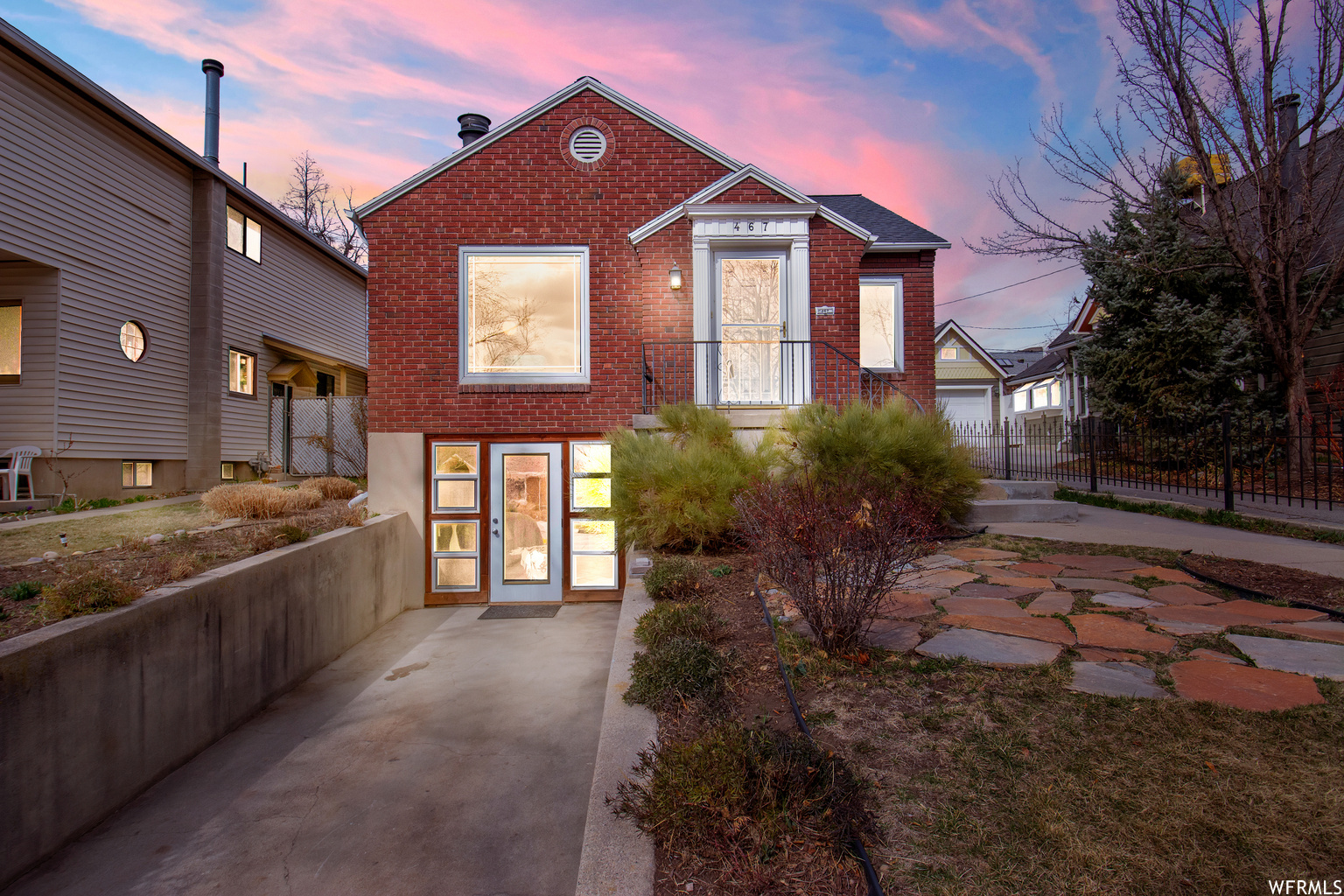
With a view of the state Capitol greeting you, as you come and go, it’s easy to fall in love with this cheerful 3 bedroom 2 bath gem of a home.
Read MoreYour Earnest Money Does Good In The Community
Did you know that when we deposit your earnest money check into the brokerage trust account it earns interest? And where does that interest go, you ask?
Read MoreSpacious Home For Sale in South Sugar House
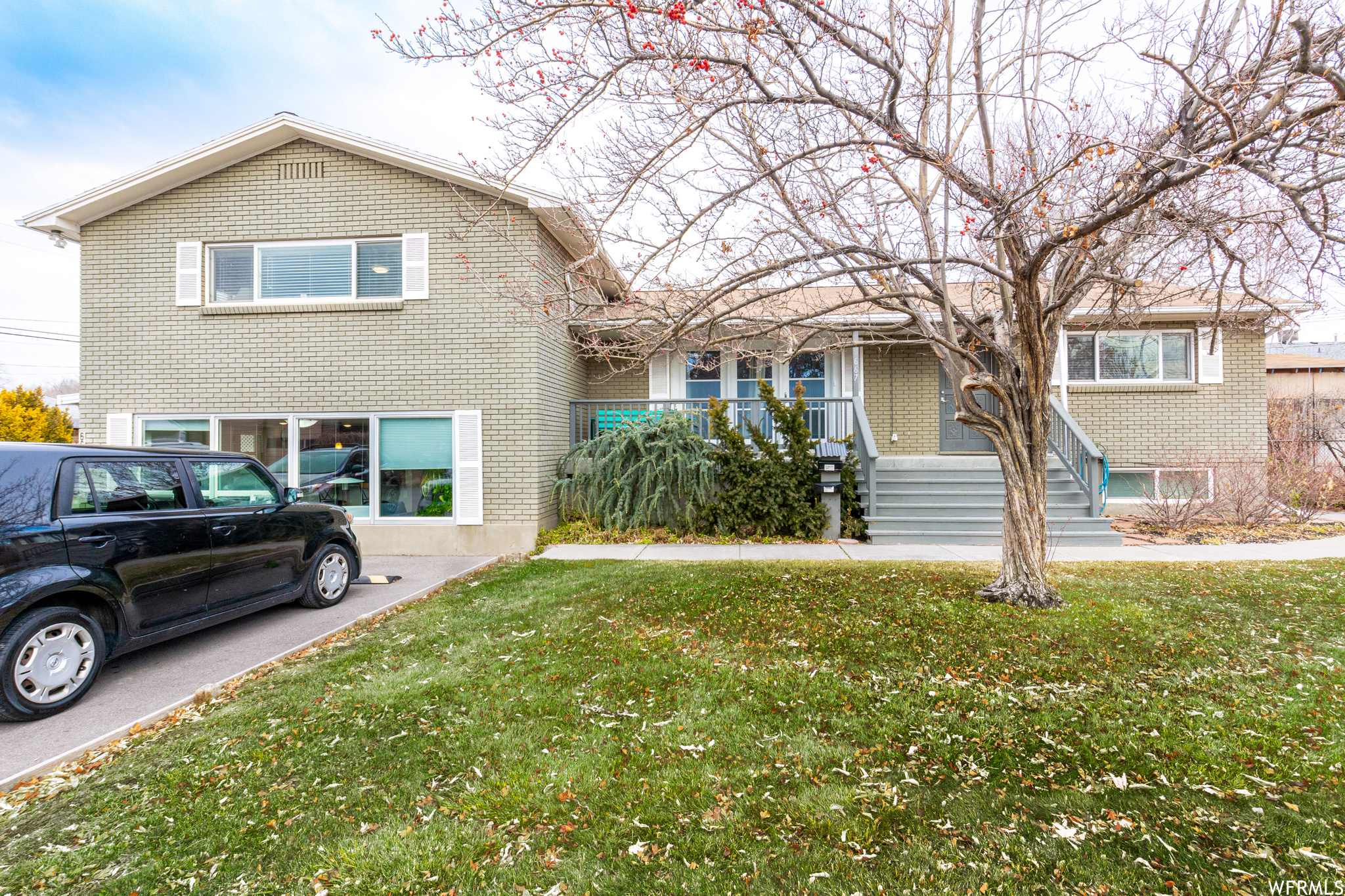
Looking for that perfect floor plan that allows everyone to live together and apart, all under one roof?
Read MoreAffordable Condo For Sale
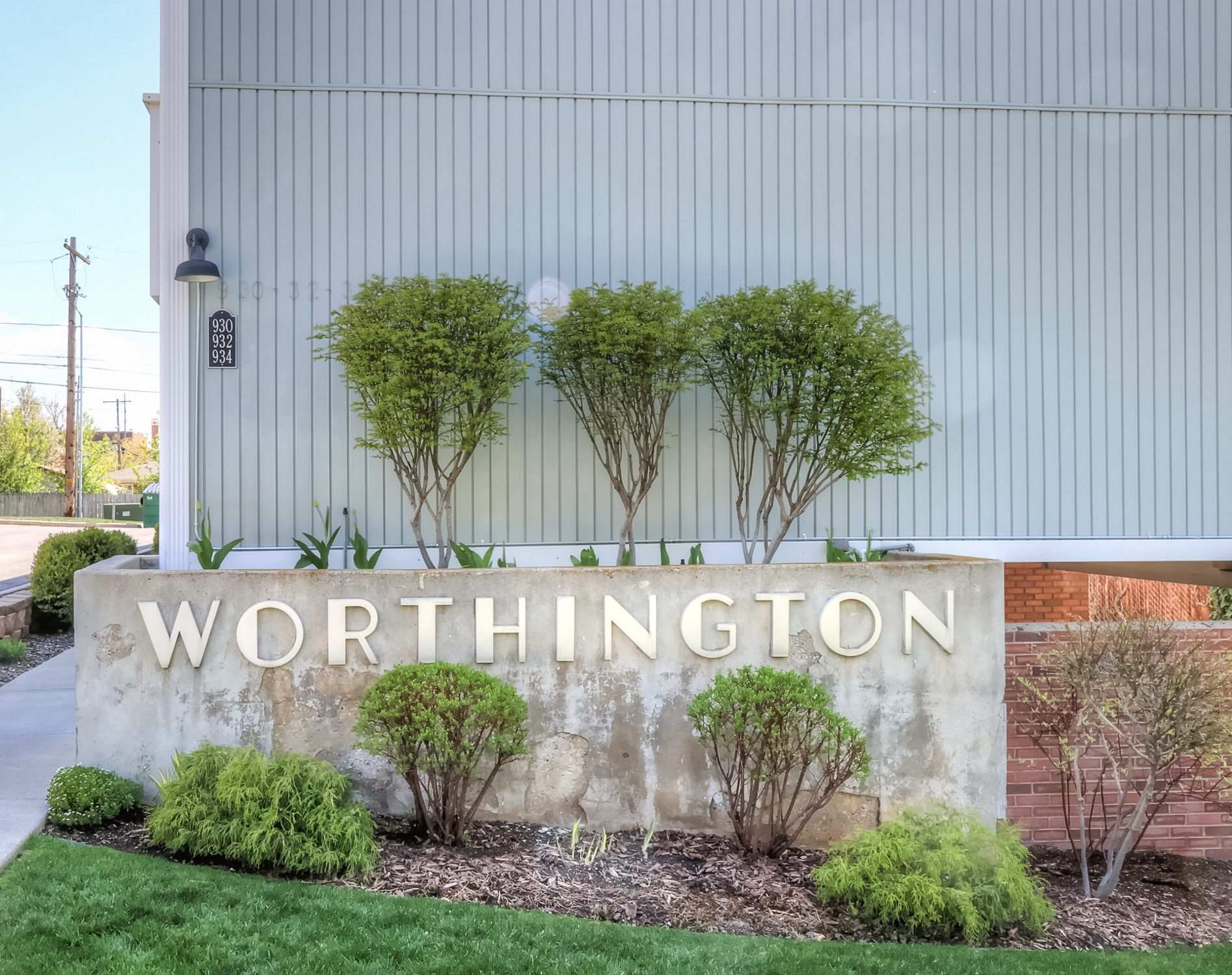
Just right for living the 9th & 9th neighborhood, the Worthington is a true mid-century gem.
Read More
Charming Avenues Cottage
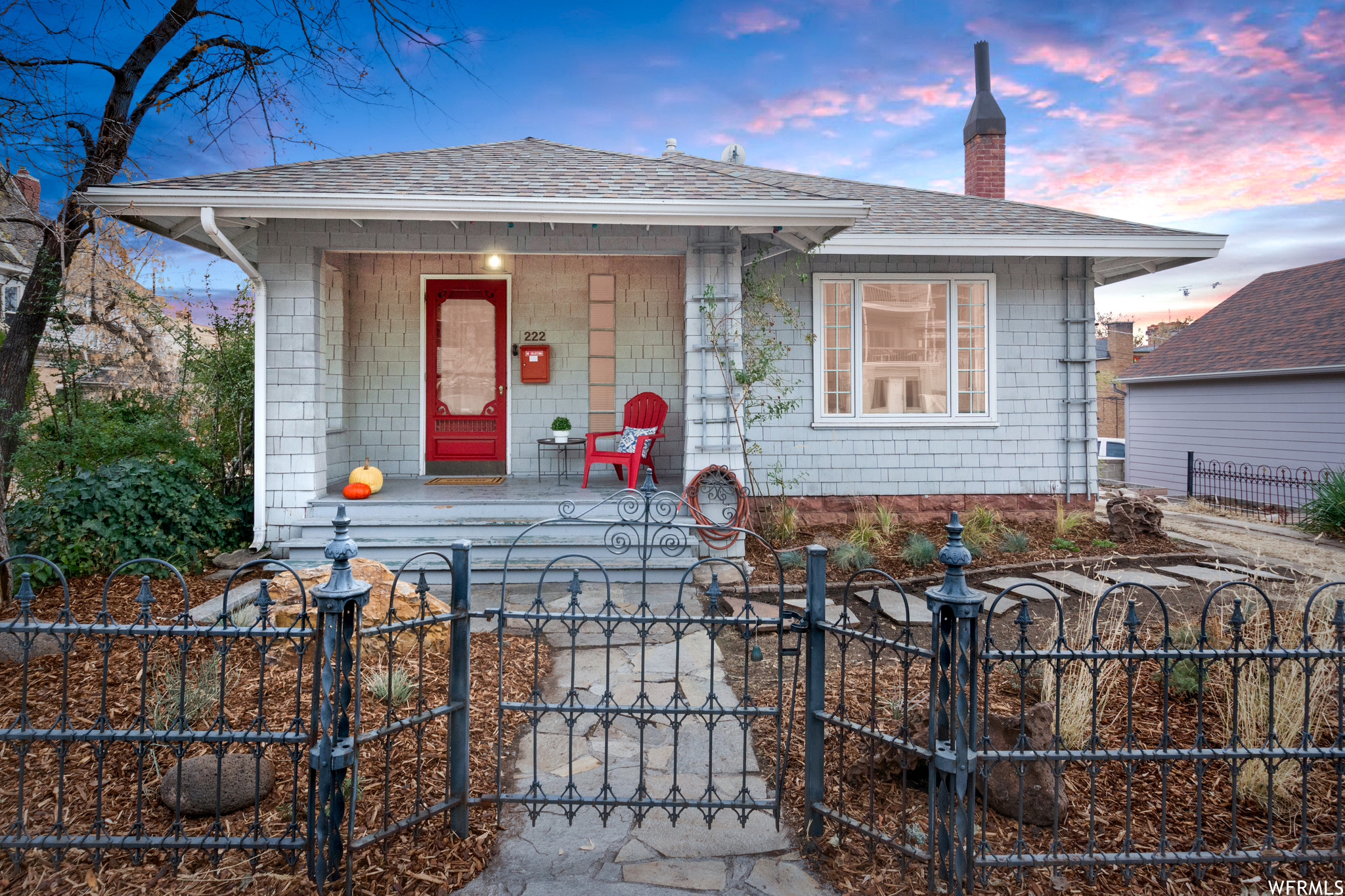
Located in Salt Lake City’s largest historic district, this cedar shingled 3 bedroom 2 bath cottage is a dream come true.
Read MoreEast Liberty Park Contemporary Modern
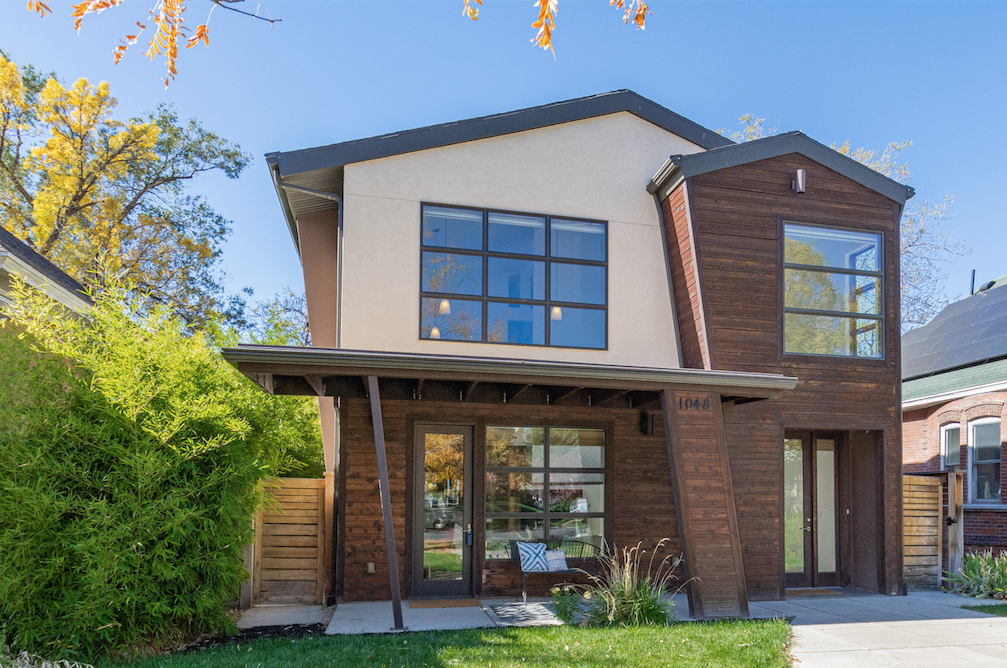
Looking for a peacefully abode with ample space to both live and work?
Read MoreFor Sale In The 9th & 9th Neighborhood
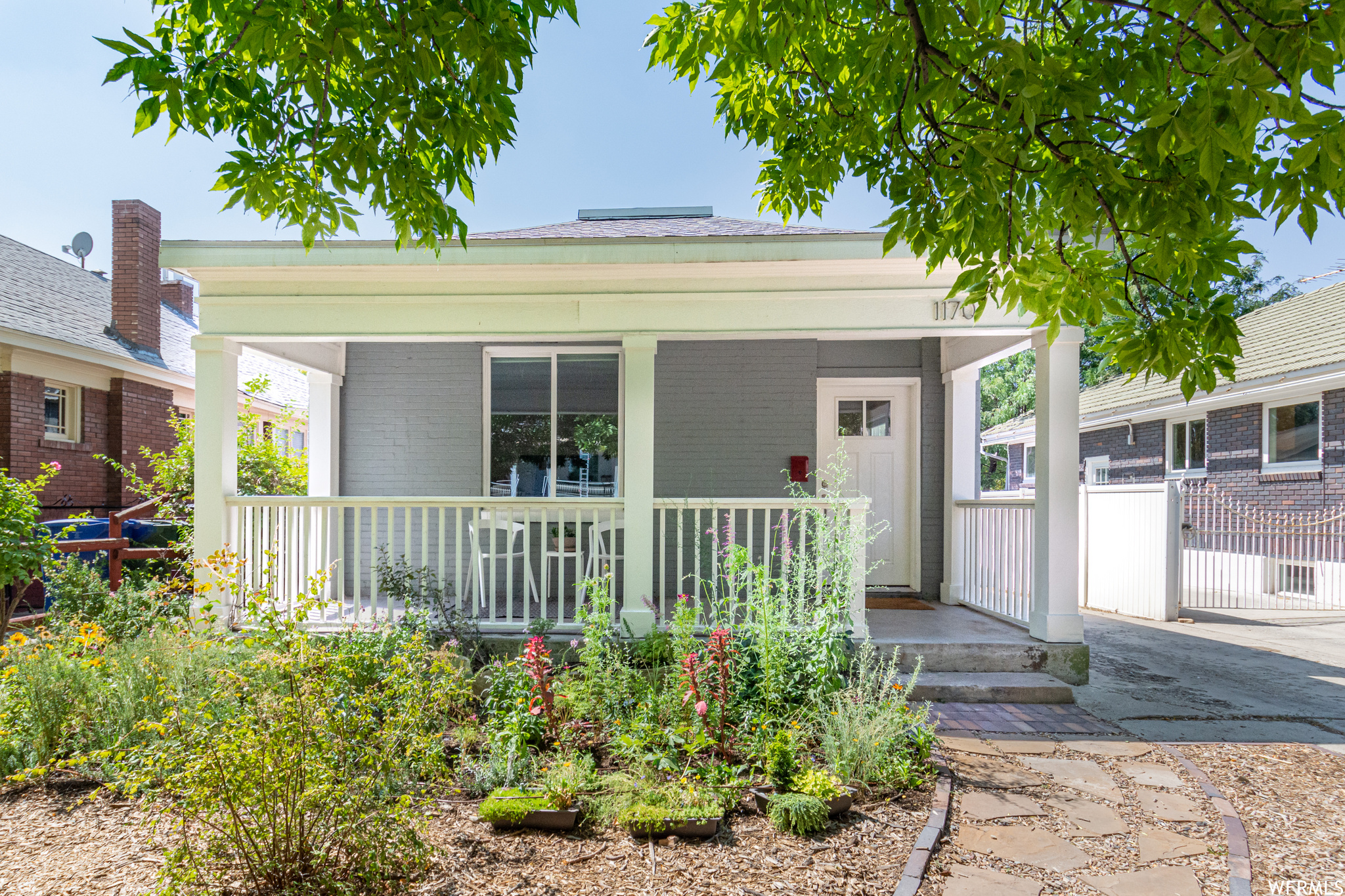
Bring your appetite and get ready to play in the backyard of this 3 bedroom 1 bath home with its veritable food forest.
Read MoreLand For Sale with Duplex and Views
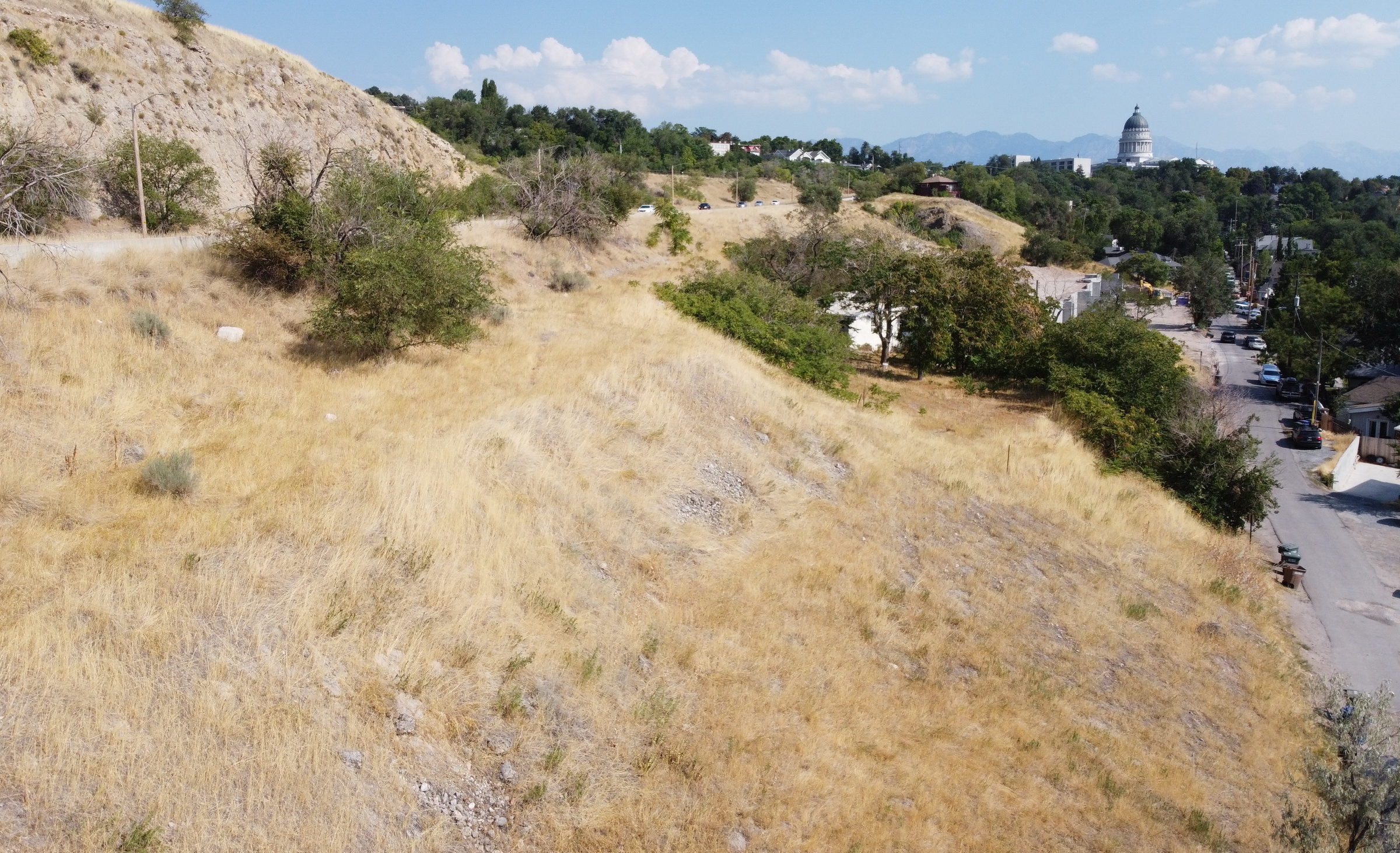
Perched above downtown Salt Lake City, the North end of West Capitol Street is truly a special place with a rural feel.
Read MoreLakefront Property For Sale
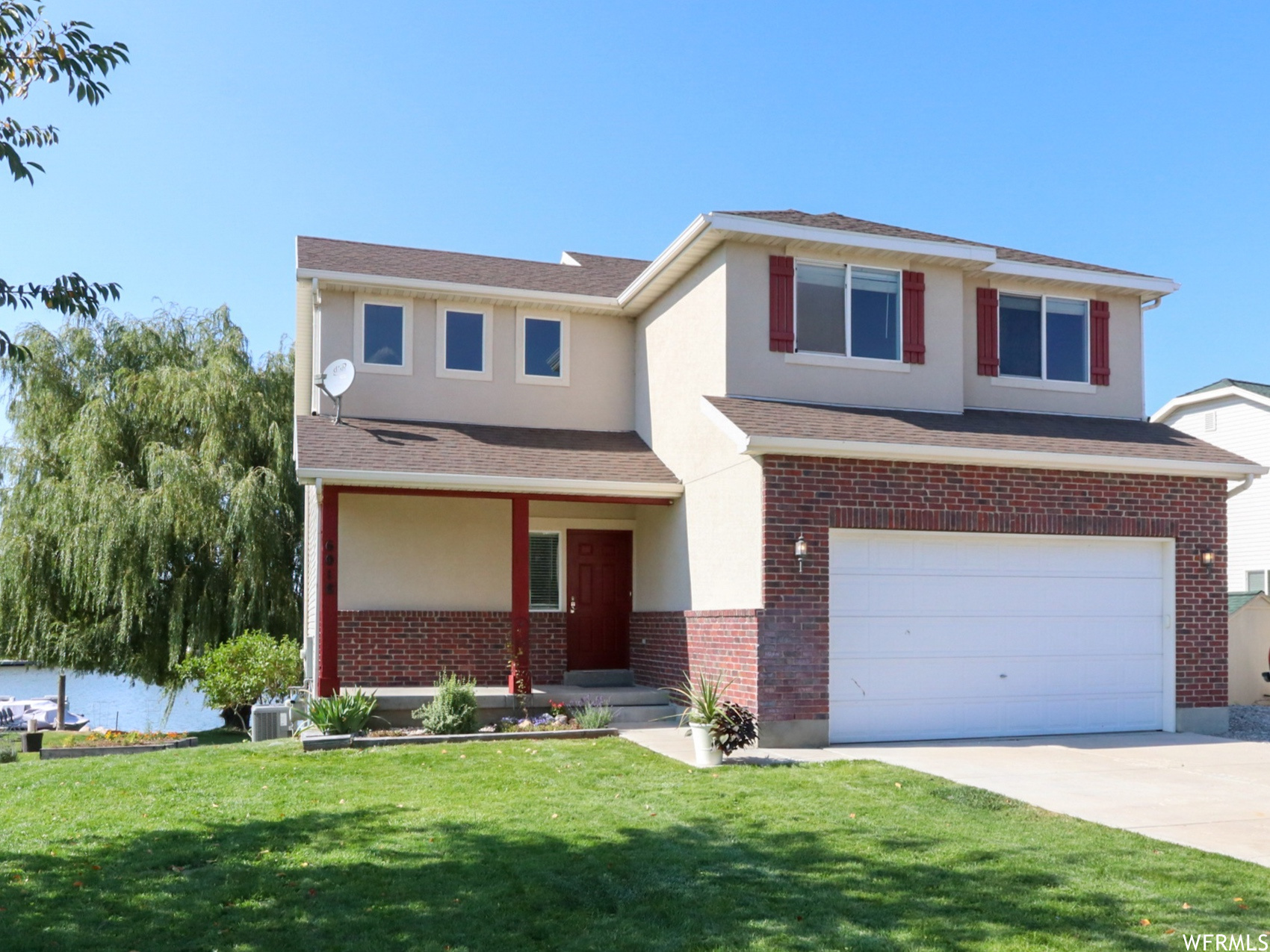
Enjoy the best that the Stansbury Park planned community has to offer including fishing and boating from your own private dock.
Read MoreHobby Farm For Sale in Heber City
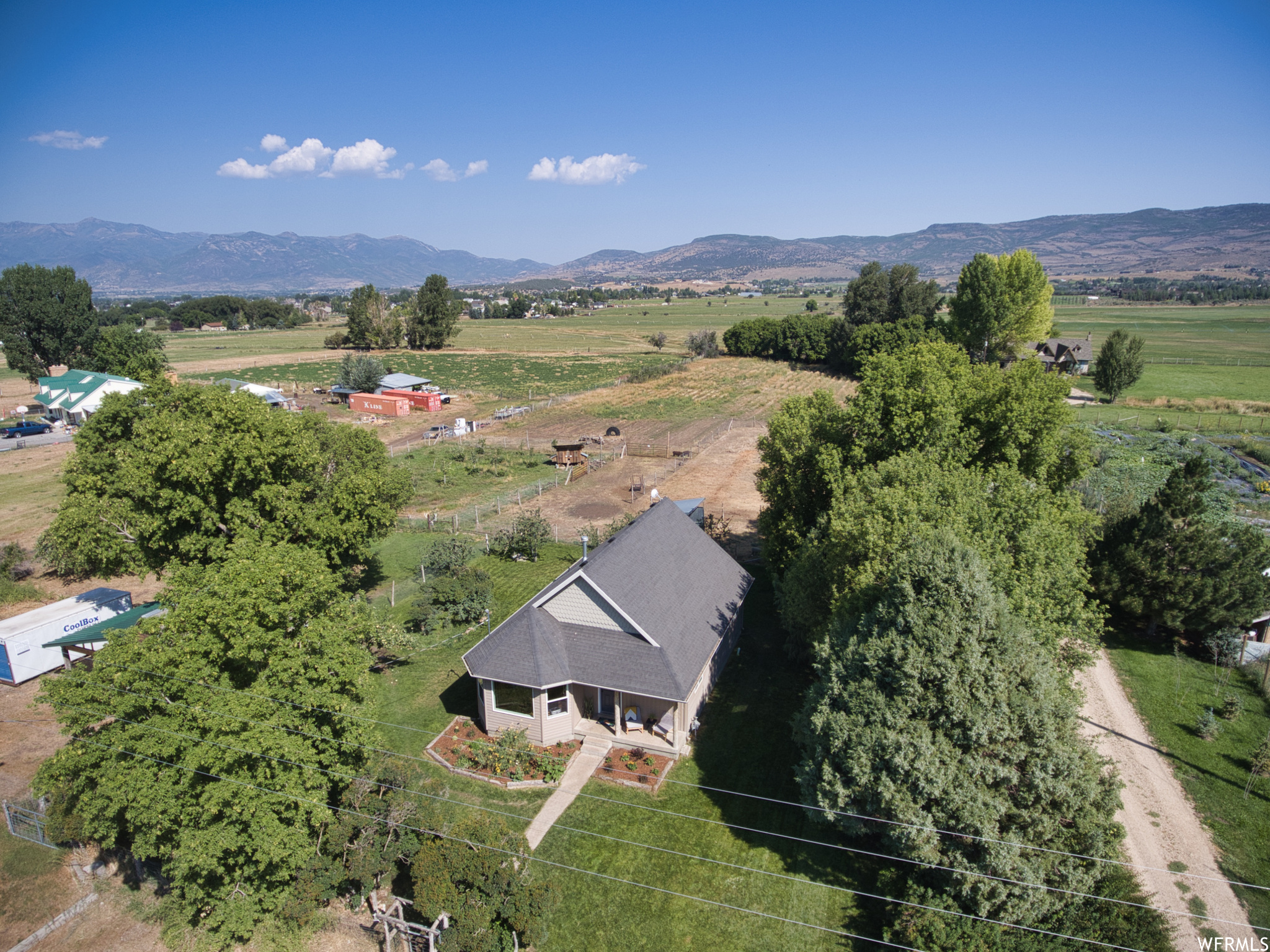
Like a warm embrace from a loved one, this sweet 3 bedroom 2 bath country home welcomes you in.
Read Moreat The Corner of Downtown & The Avenues
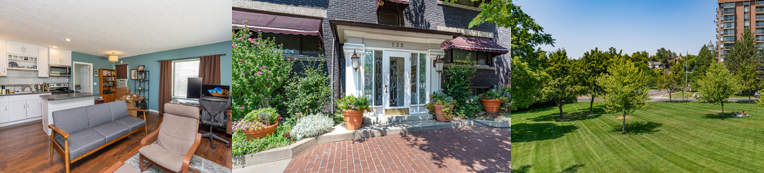
Corner unit 1 bedroom condo for sale in the historic Oxford Manor with peekaboo views of the Capital and the Temple.
Read MoreCity Retreat For Sale
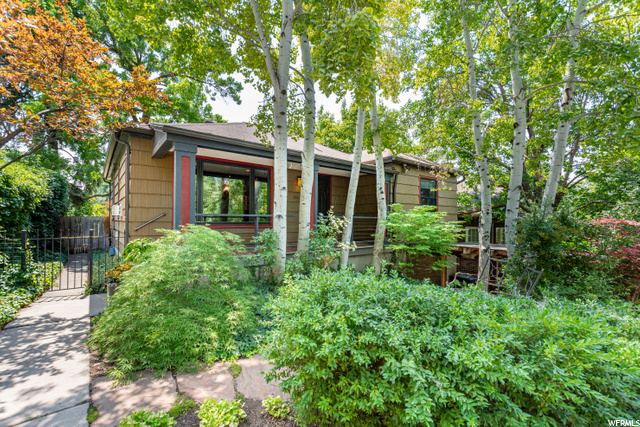
Welcome, you will be pleasantly surprised by the thoughtful updates and quality craftsmanship of this 4 bedroom 3 bath home.
Read MoreSummer Newsletter 2020
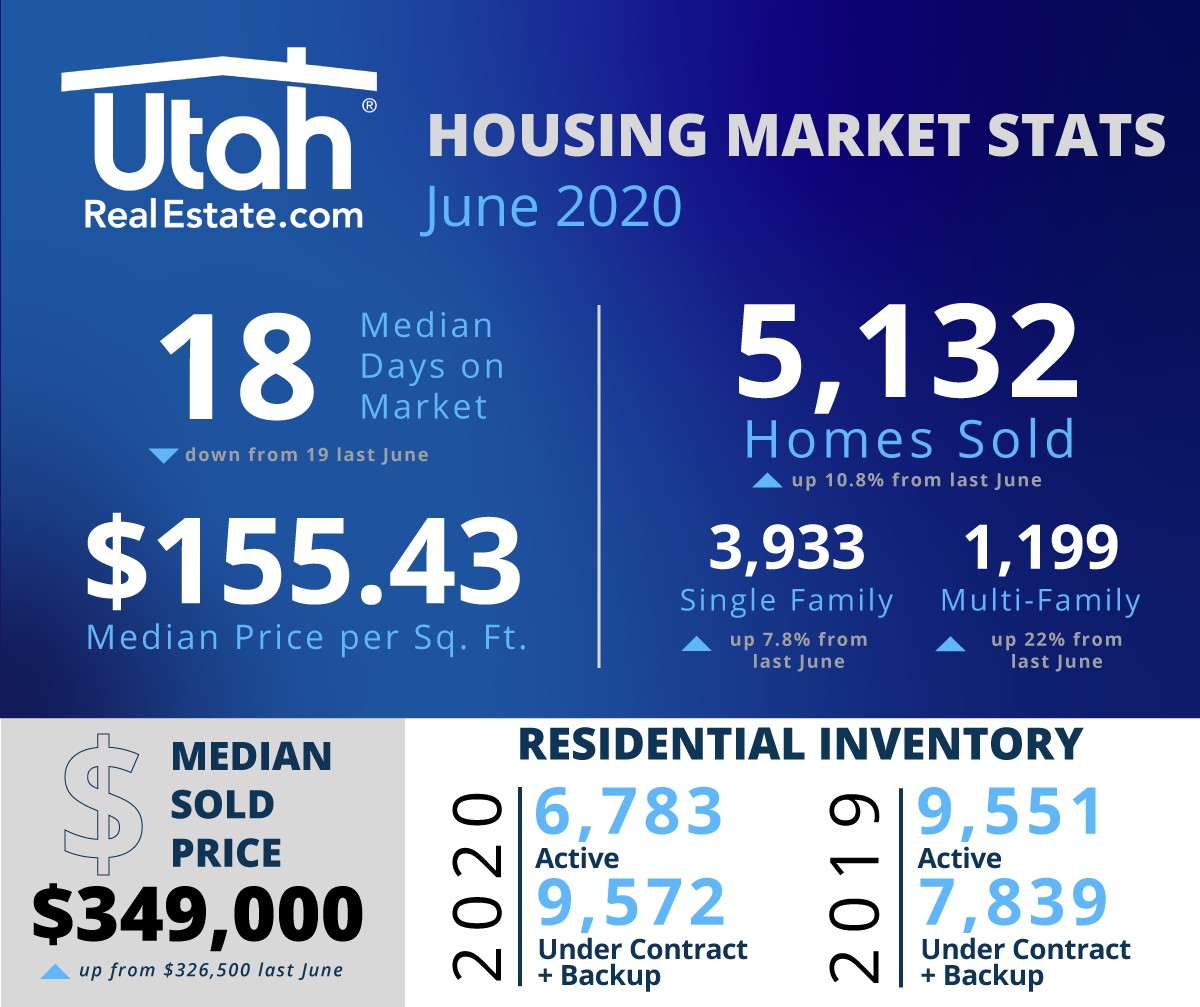
Markets Statistics, How Pricing Your Home Right Makes A Difference, How To Navigate The Housing Market’s New Normal & More
Read MoreBuyers & Sellers
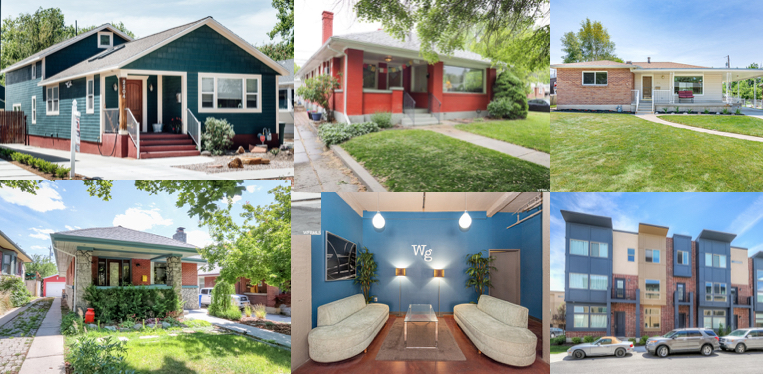
Working with both buyers and sellers gives us a unique insight into the minds of those on both sides.
Read MoreStylish Townhouse for sale
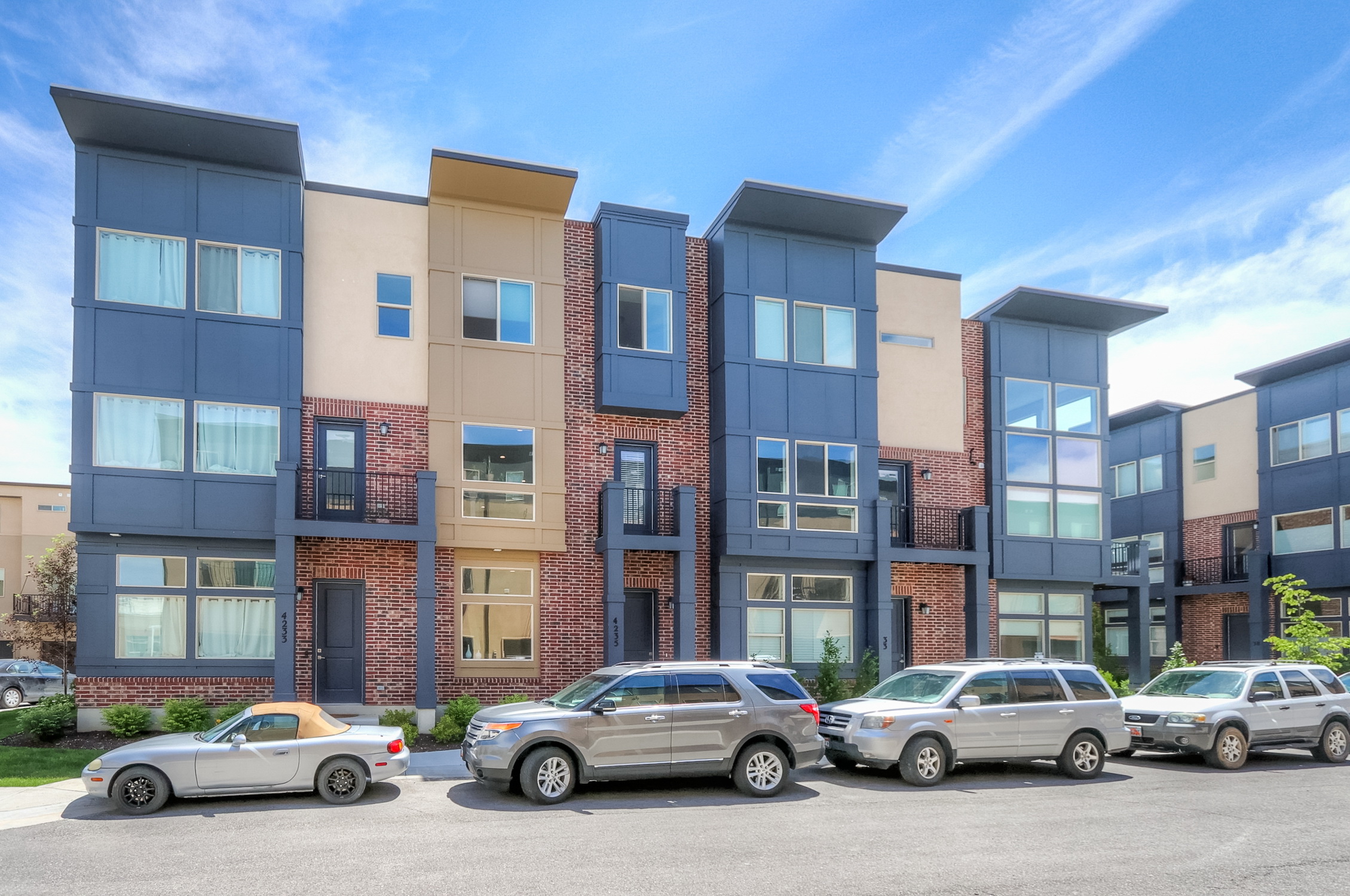
This well designed 3 bedroom 4 bath residence is cheerfully filled with light from top to bottom.
Read MoreAll About HOAs
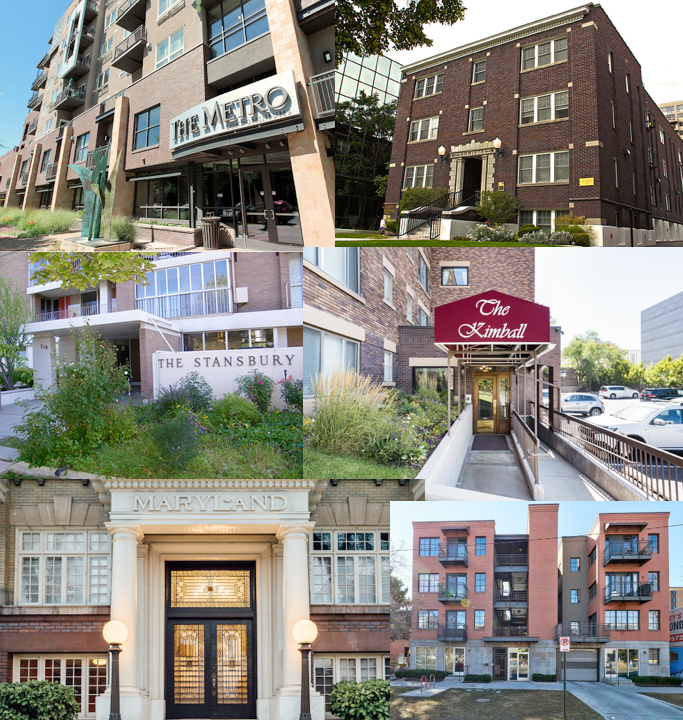
With 3,400 community associations and more than 7,000 residents living in those developments, nearly a quarter of Utah’s population lives in a Home Owner Association (HOA) governed property.
Read MoreSpring Hello
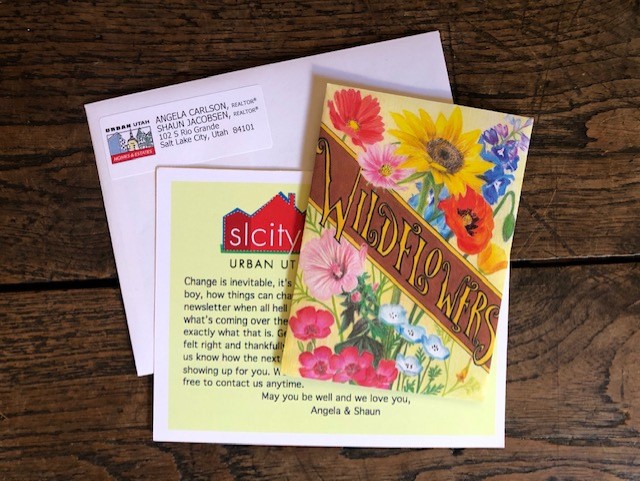
Change is inevitable, it’s our response to it that really matters. Oh boy how things can change-a pandemic and an earthquake for starters.
Read MoreEast Liberty Park Bungalow For Sale
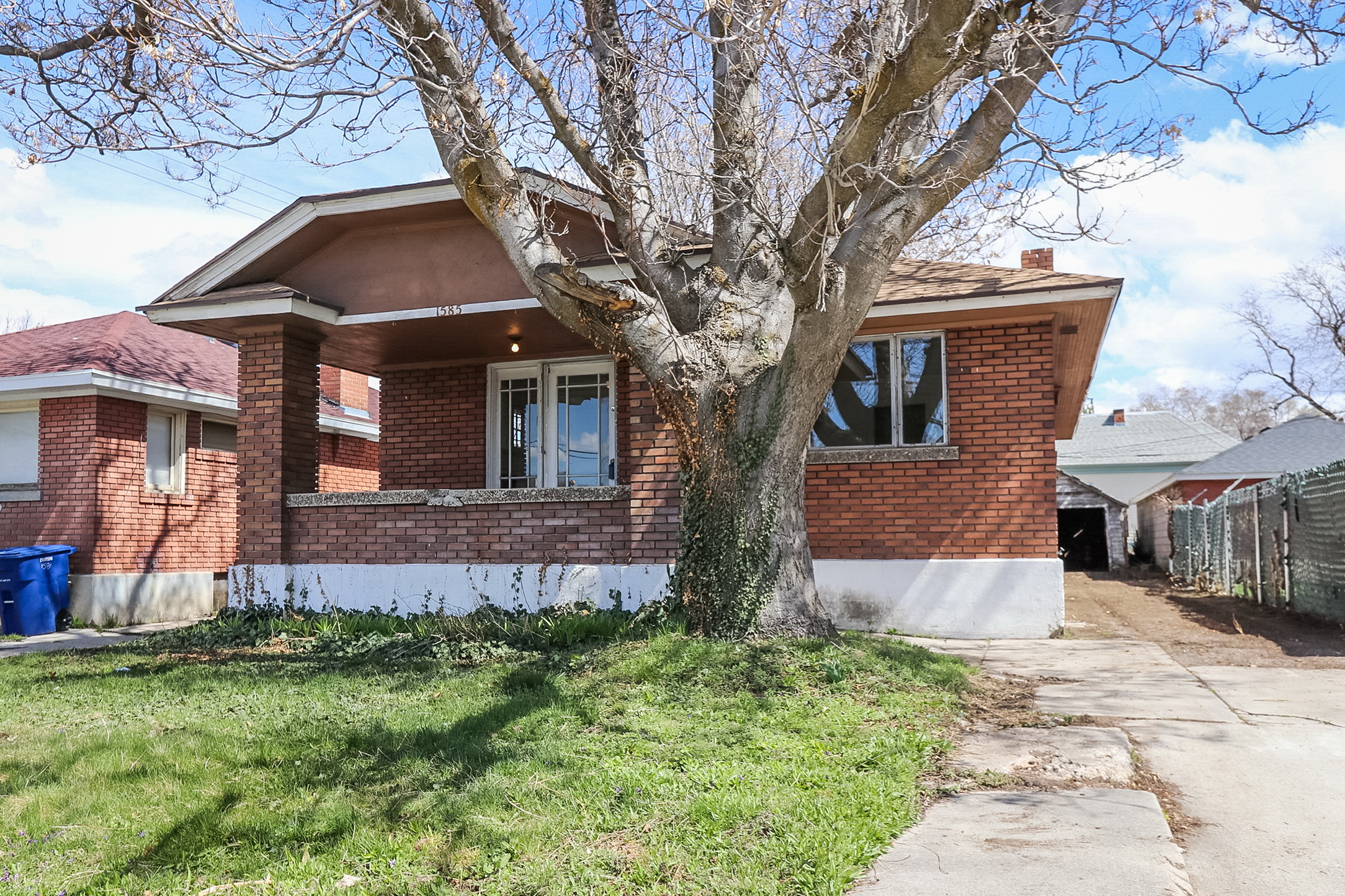
Great opportunity to buy a fixer-upper 2 bedroom 1 bath home in this centrally located neighborhood with easy access to the freeway, grocery stores, school and park.
Read MoreFor Sale in rose Park
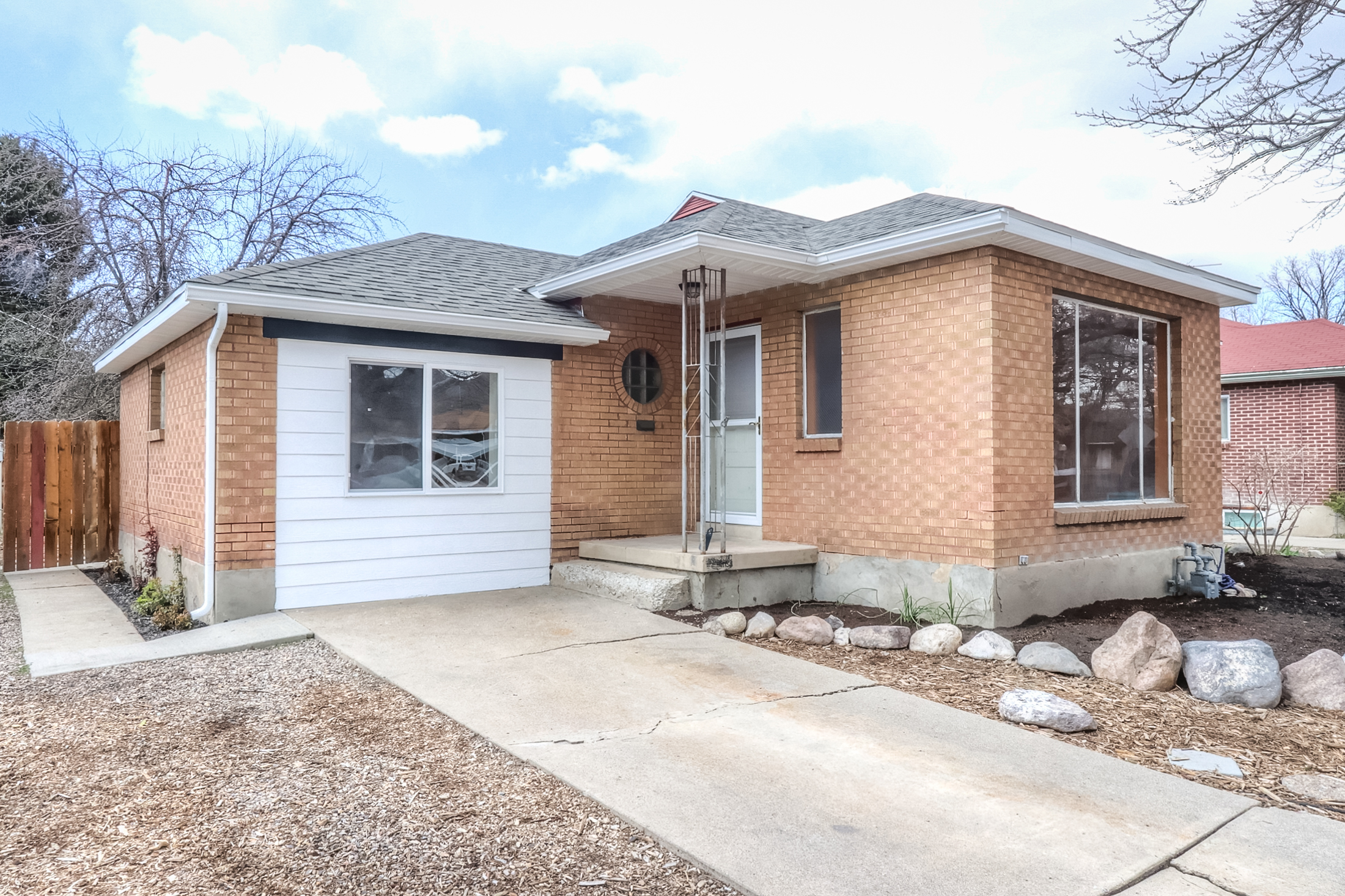
This gem of an opportunity on the quiet, tree lined Catherine Street sits on a large lot in the charming Rose Park neighborhood in Salt Lake City proper.
Read MoreWe’re Moving!
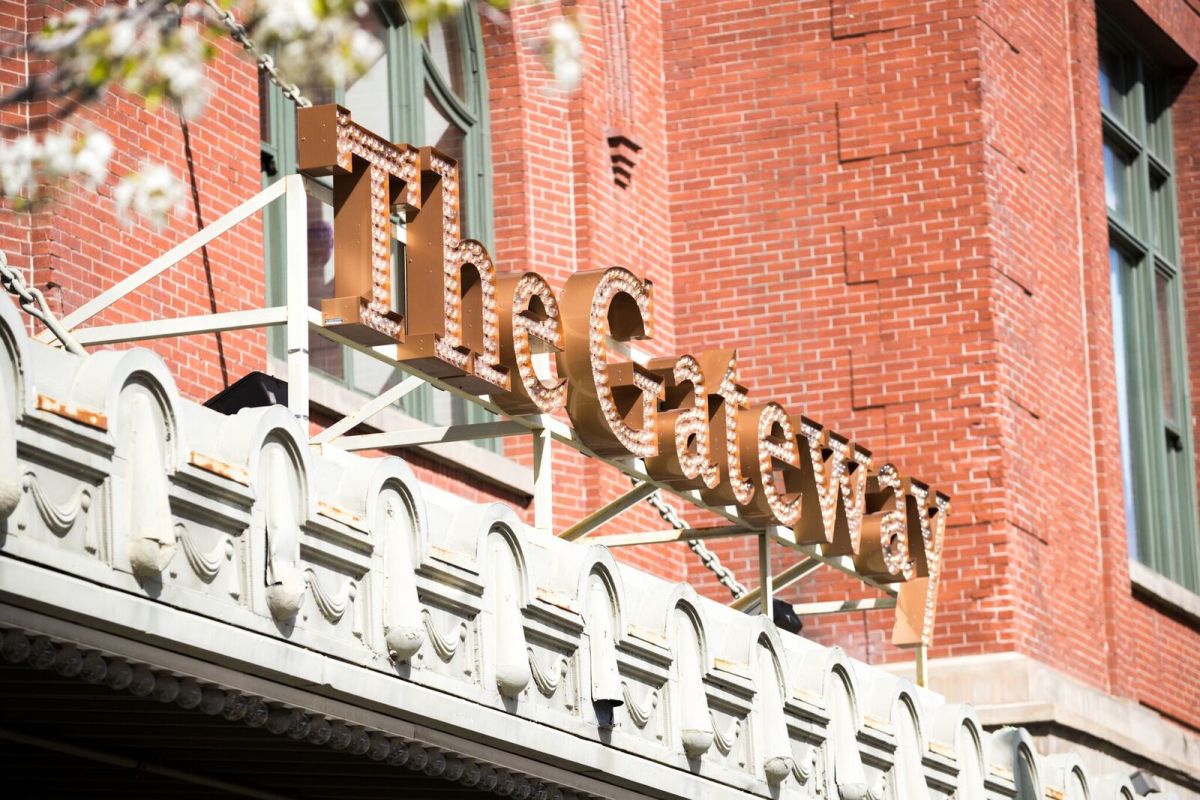
Our office at Urban Utah Homes & Estates is moving (across the street) into The Gateway, and we’re pretty excited.
Read More
Ballpark Bungalow
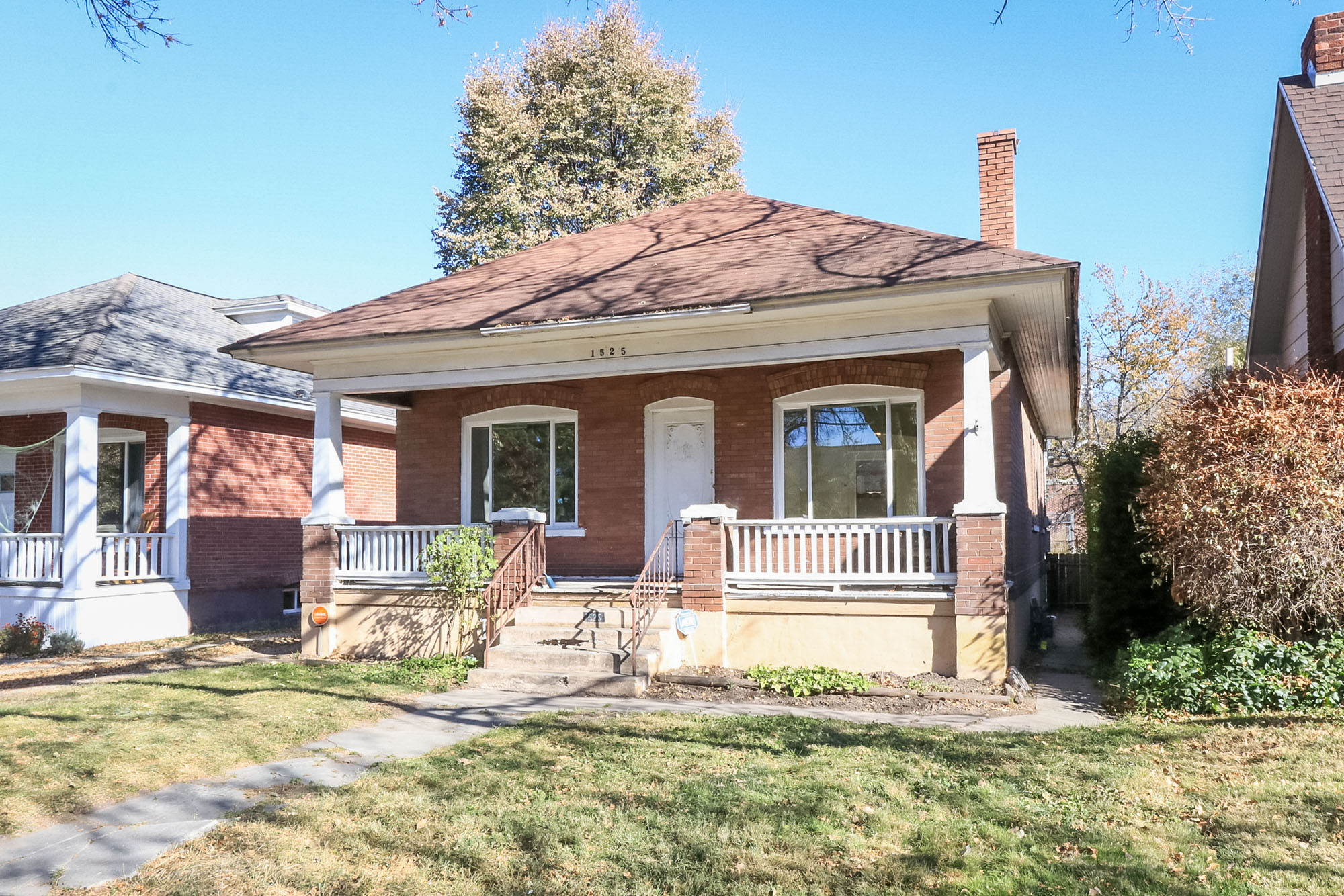
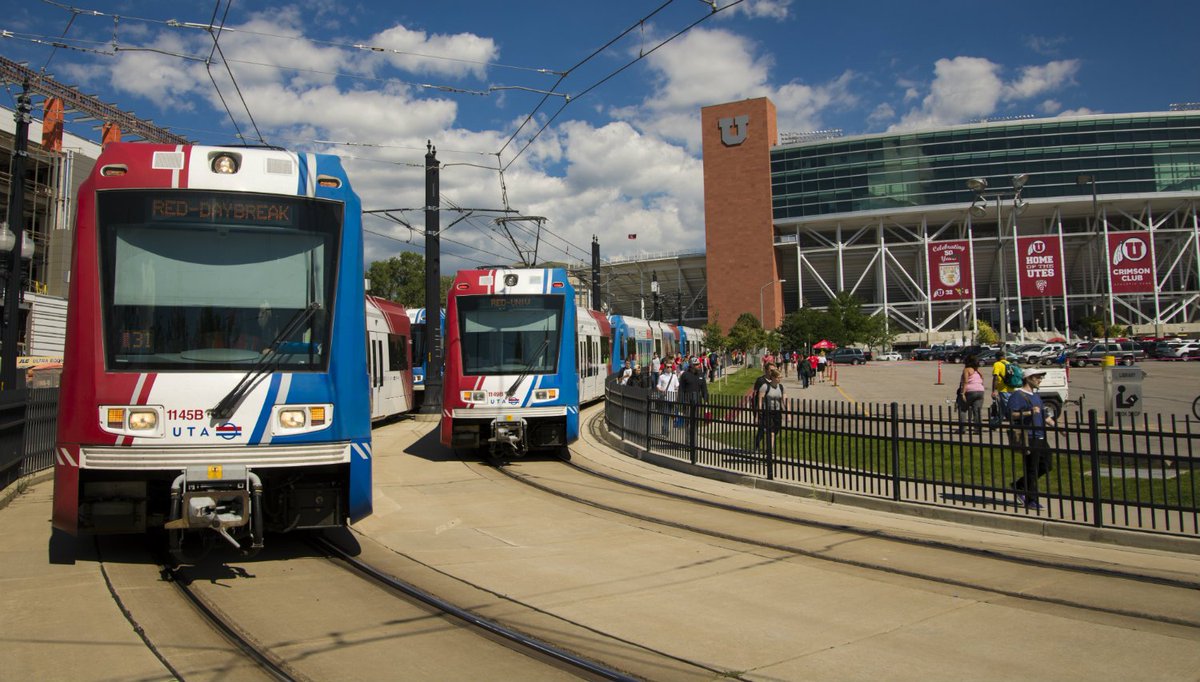
Being connected to numerous city transit options plays a big role in your property’s value over time.
Read More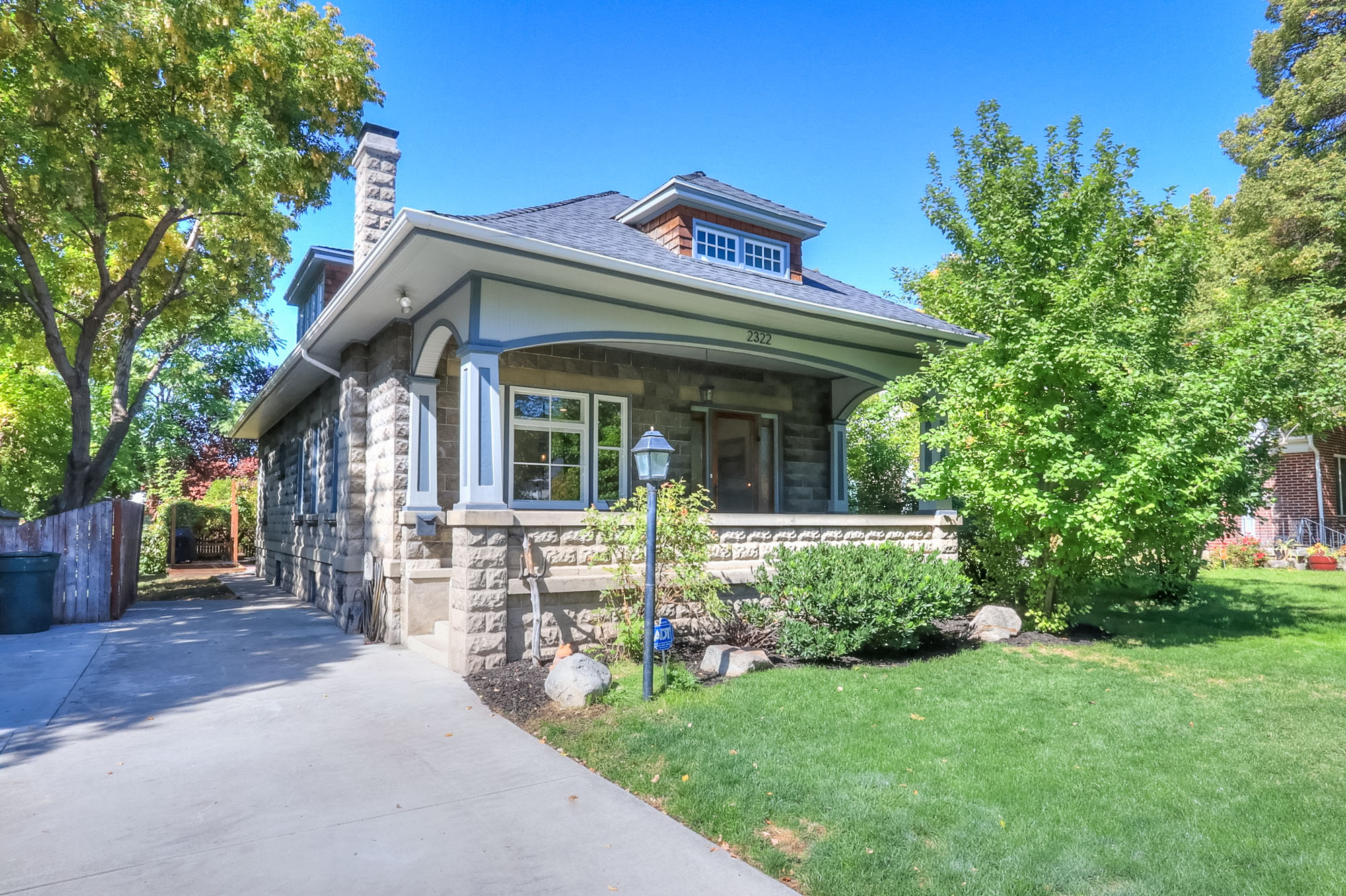
DOM in SLC
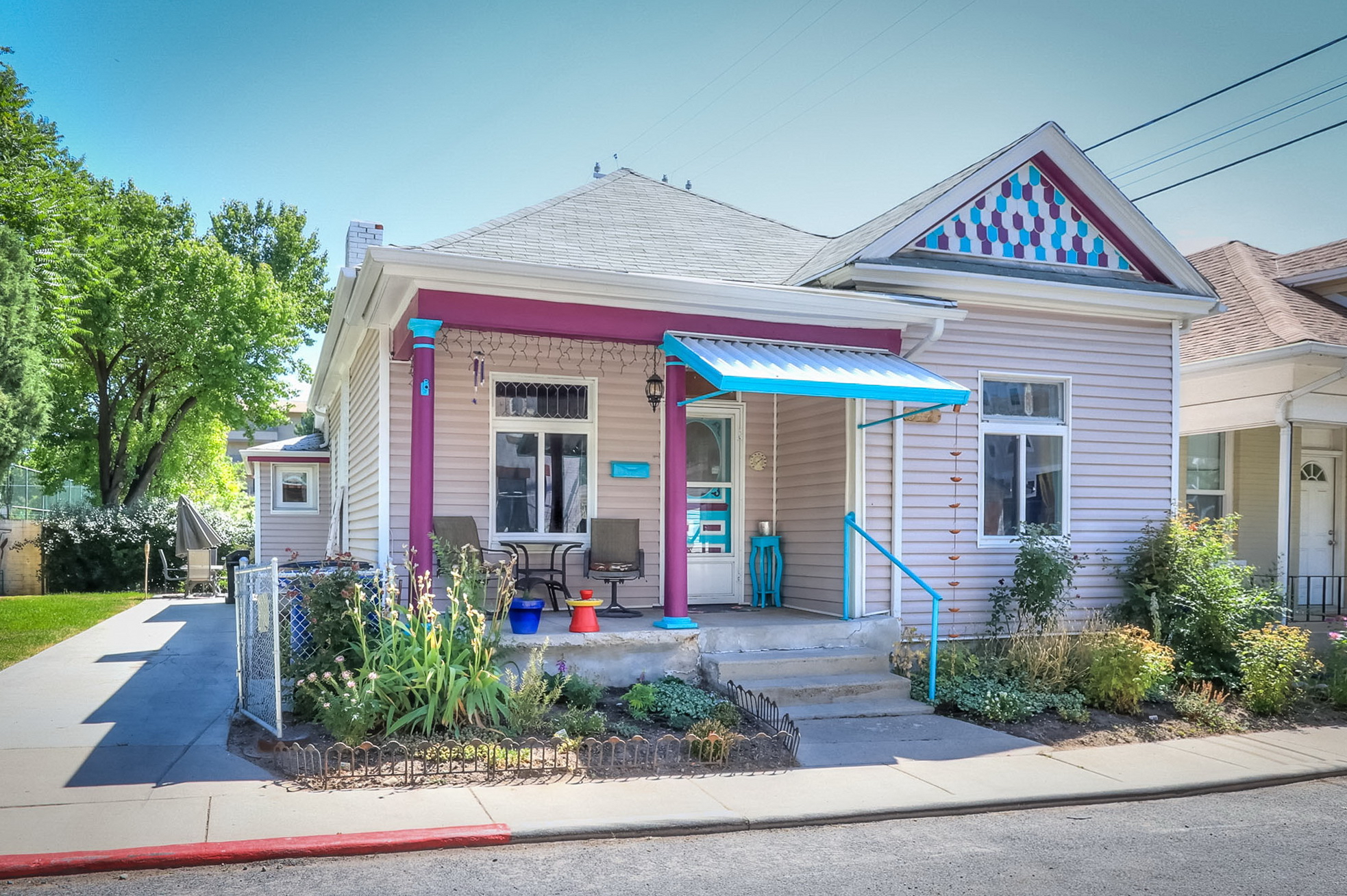
The average days a home will be on the market (from active to sold) in Salt Lake County this year is 37, this one came in just under that at 34.
Read More
Life Near State Street
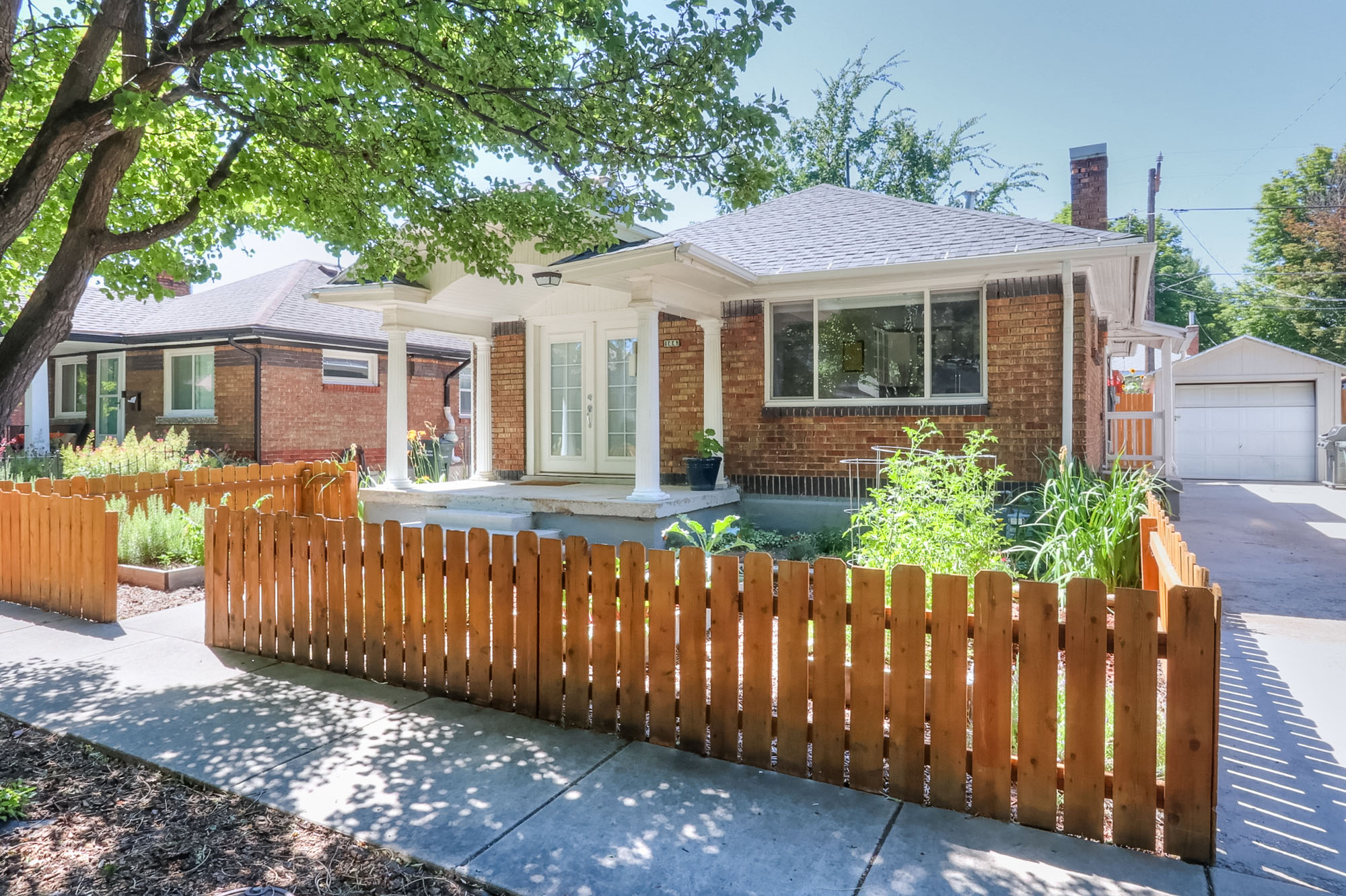
This charming east-side 2 bedroom 1 bath bungalow is located steps from State Street and minutes from downtown with easy access to the 900 South business district, Liberty Park, and local schools. One open house, multiple offers and four days on the market- there’s barely time to pack.
Read MoreThe connection between limekilns and our historic homes
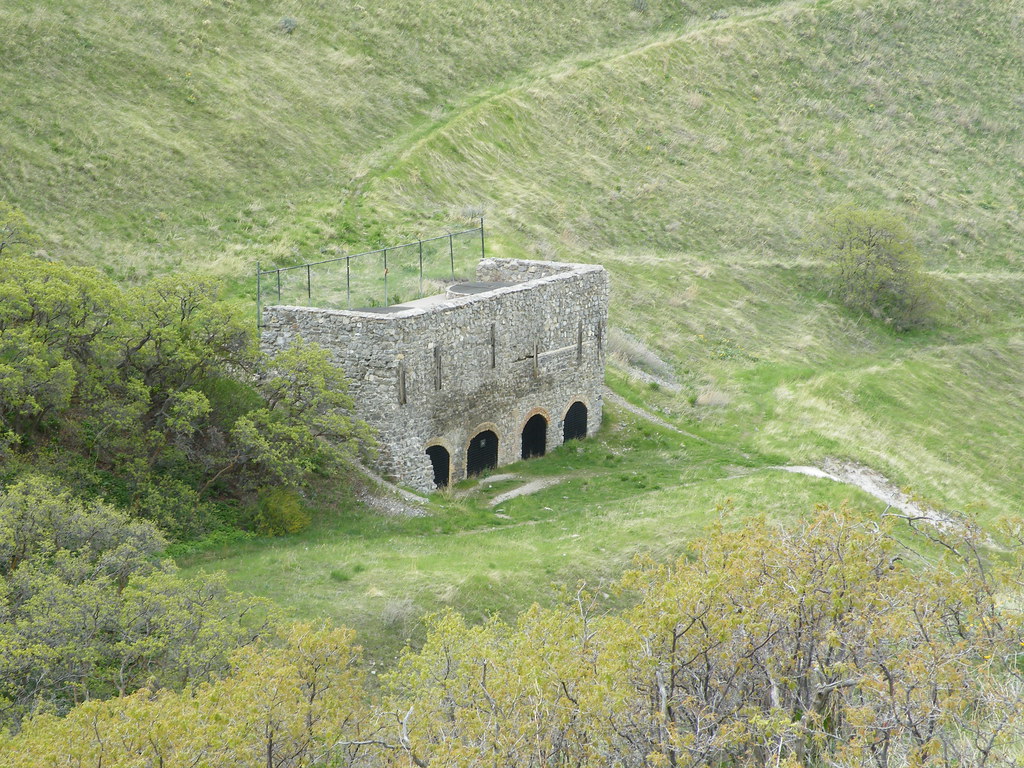
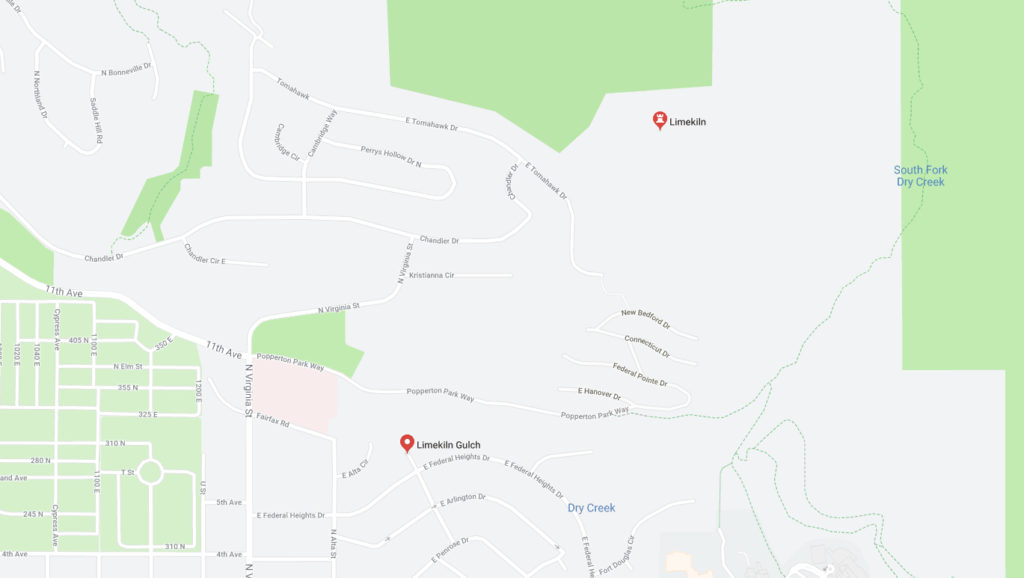
Three limekilns were built in Limekiln Gulch, near the foothills above The Avenues in Salt Lake City, in the late 1850s.
Timing Is Everything
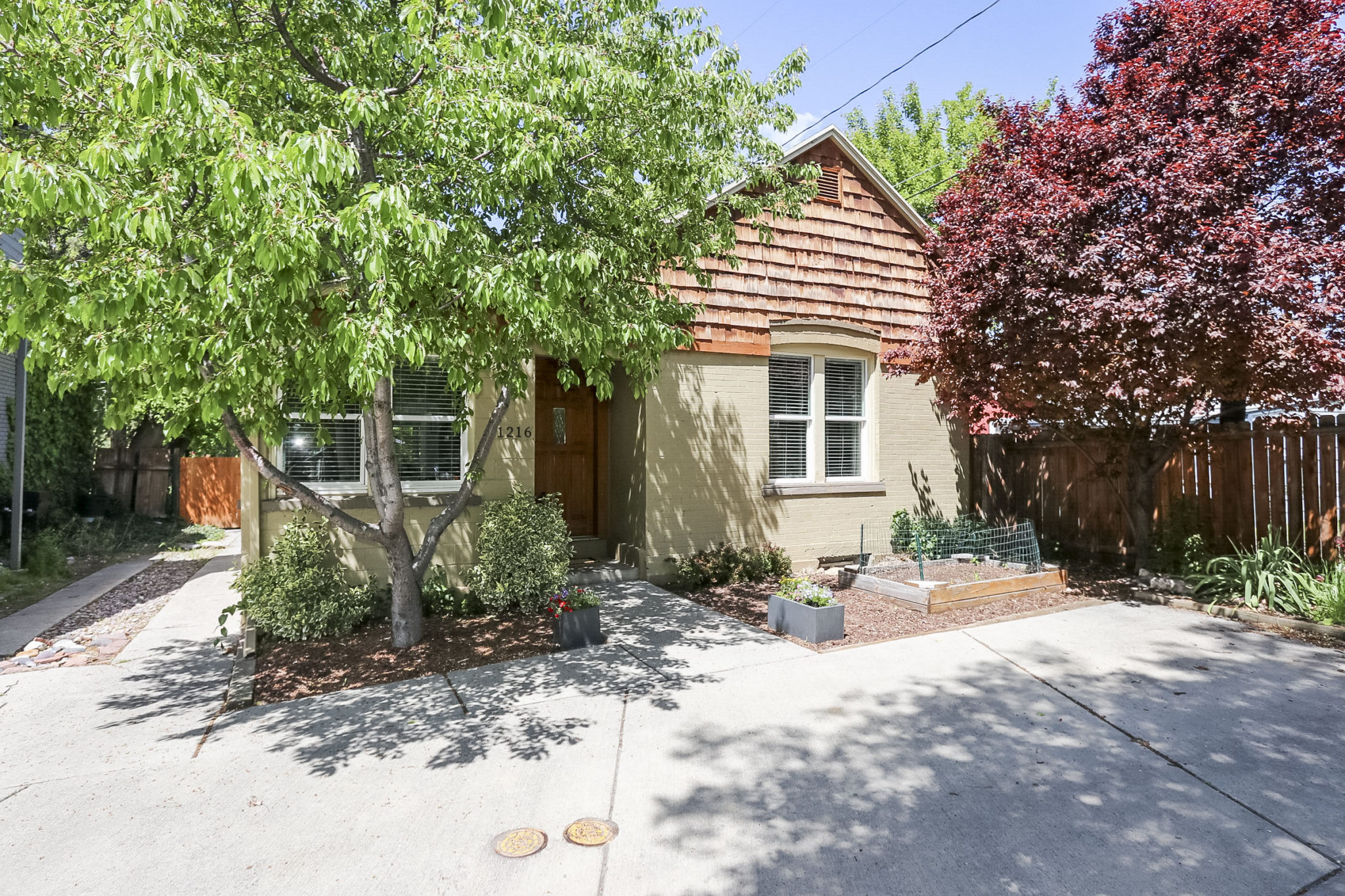
Simultaneously selling your home and buying your next home can be tricky.
Read MoreNew amongst the old
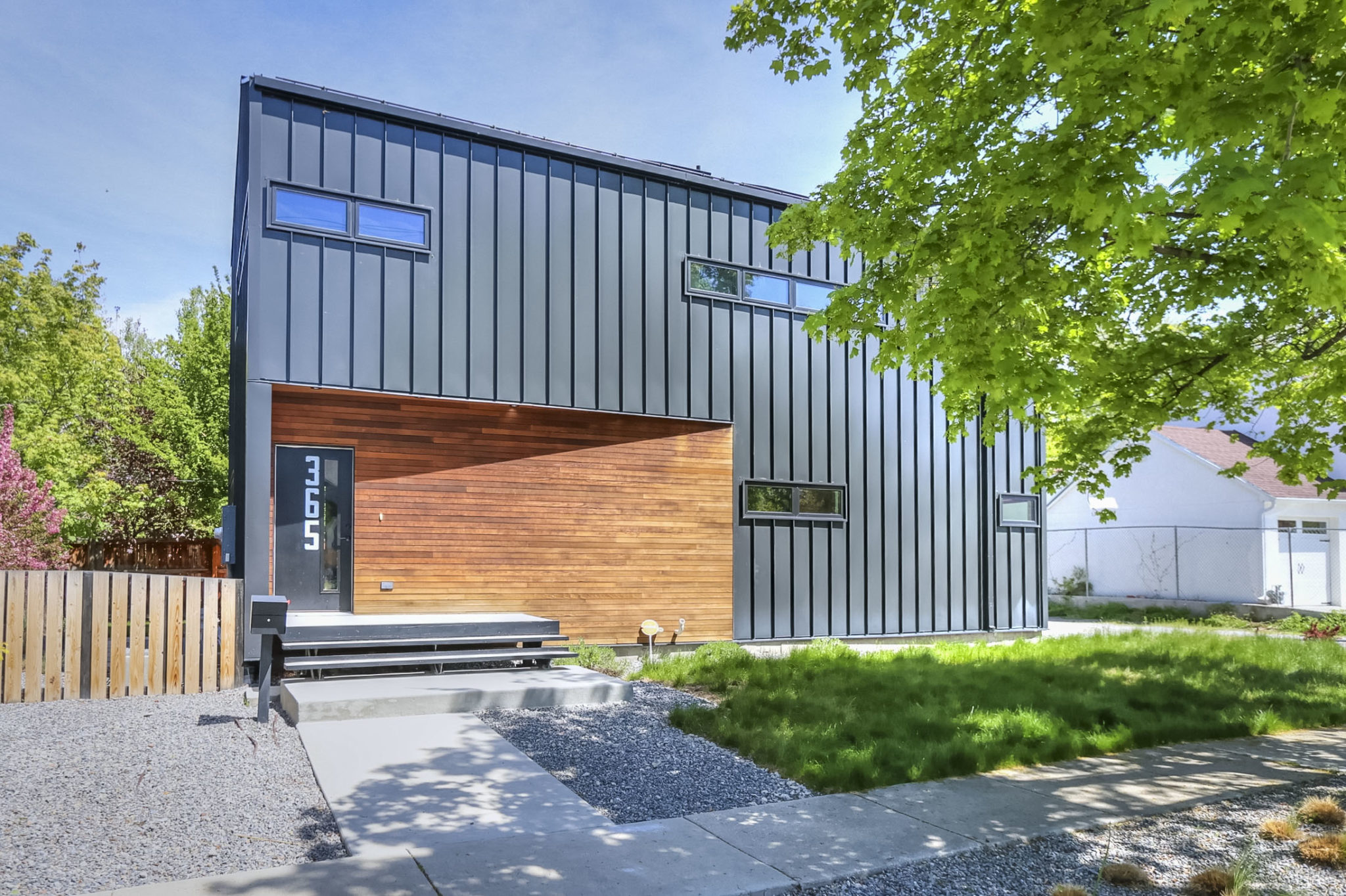
Not everyone finds the answers to their dreams in a burnt-out old home on a small lot while walking the dogs but these two did.
Read MoreSpring Newsletter 2019

Homeownership And Your Financial Future, Sustainable Home Improvements, Pledge To Be Pesticide Free and more …
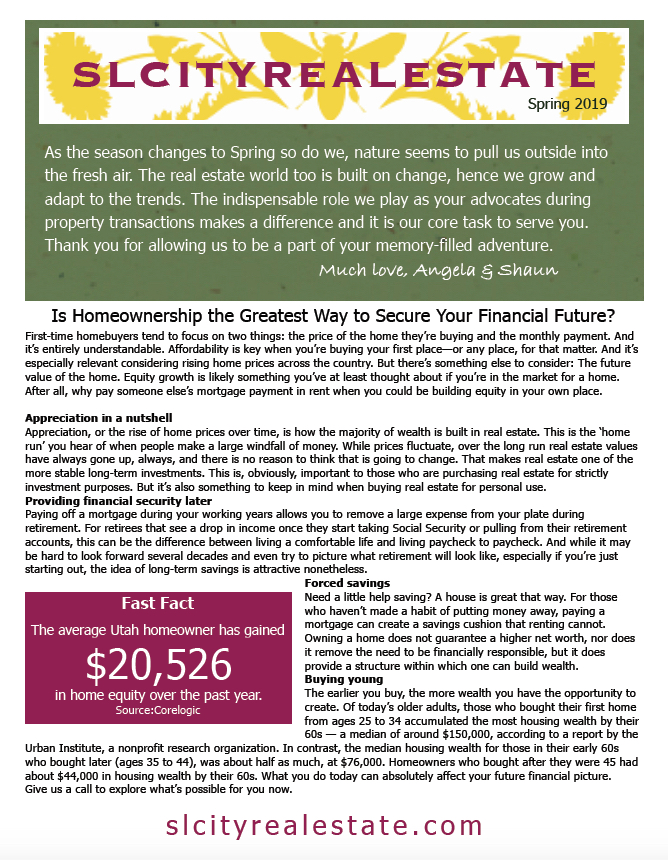
Dreams of homeownership are seriously threatened
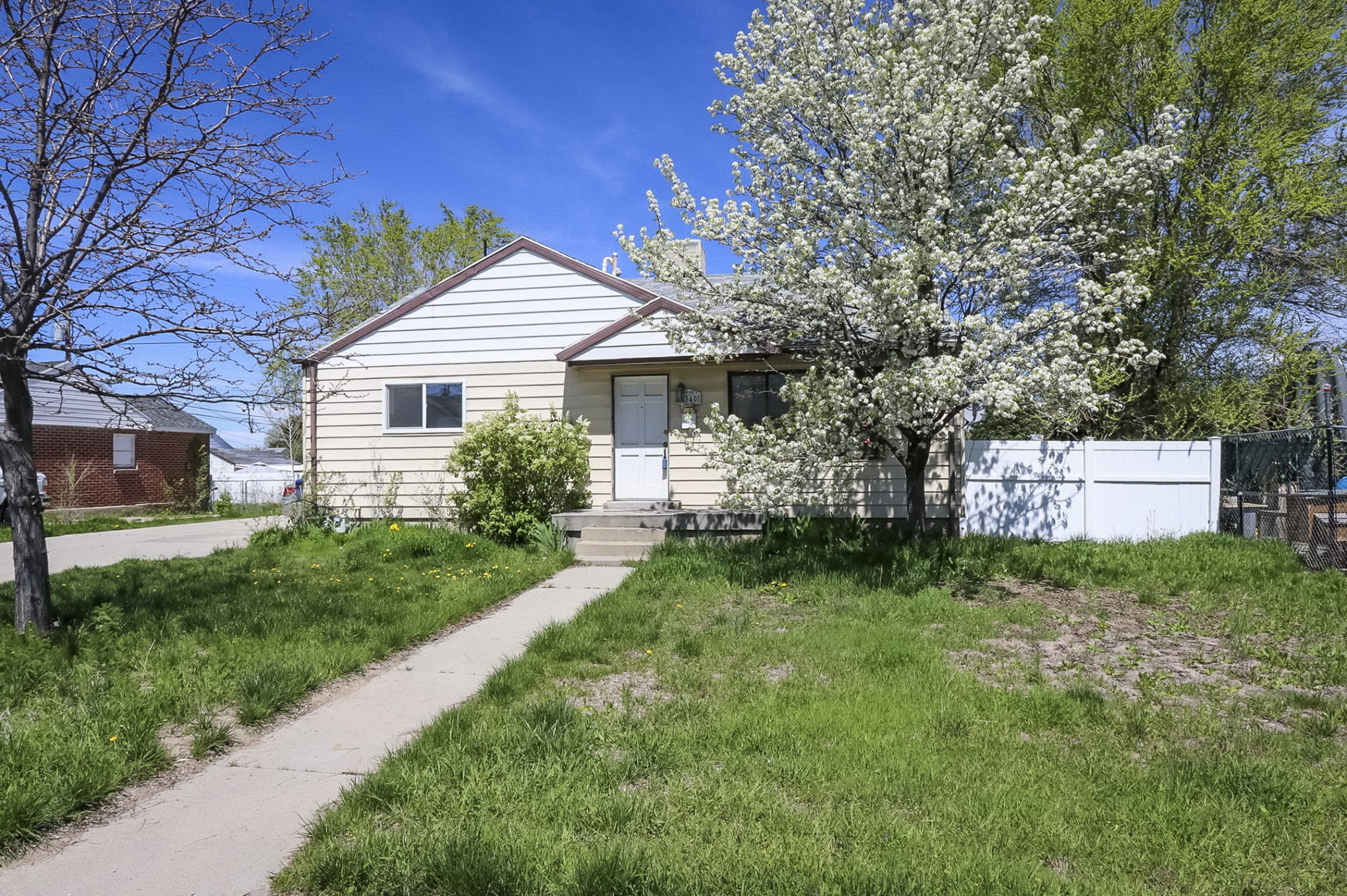
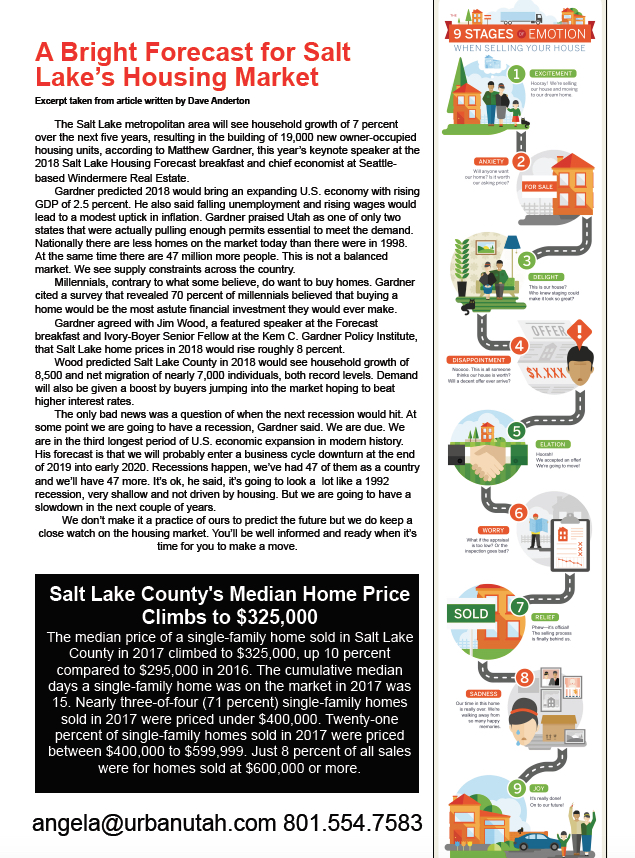
In 2013, the monthly mortgage payment for the median-priced home in Utah came in at $1,167. By 2018, that monthly payment had climbed dramatically — up 56 percent to $1,821. Comparatively, household income increased by just 20 percent during that same period.
Read MoreArchitectural diversity in 84103
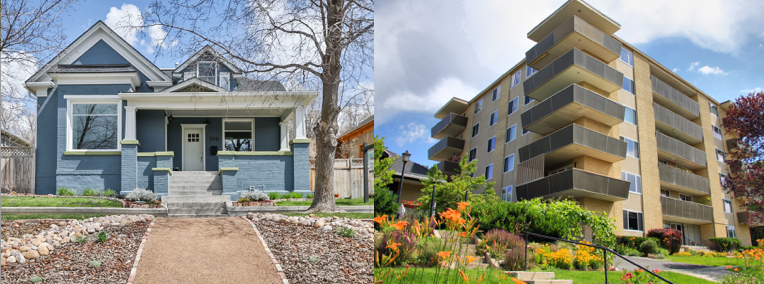
Two of Salt Lake City’s oldest residential historic districts are Marmalade and the Avenues.
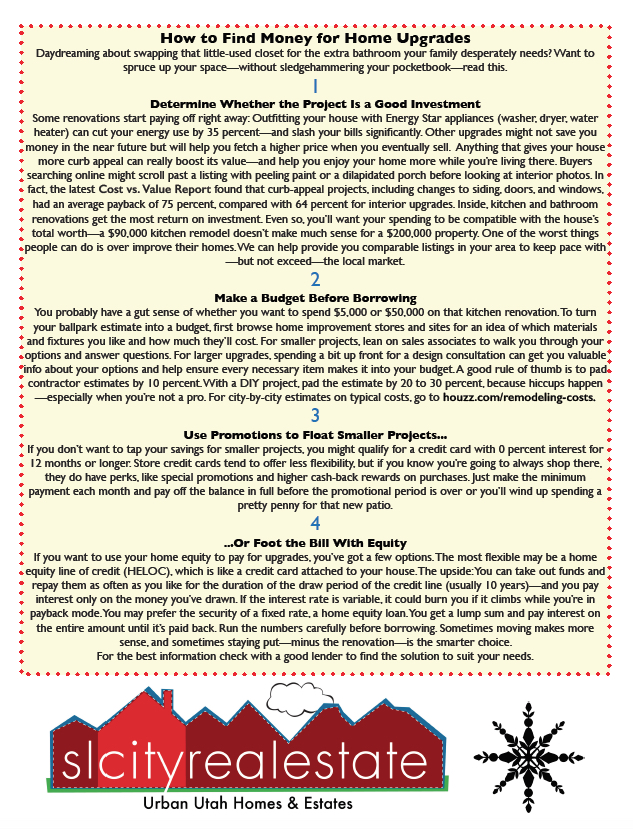
Read MoreWant to know how much it will cost for that remodeling project?
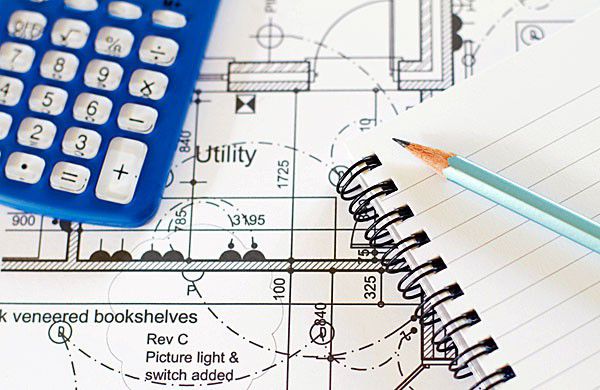
Estimating costs on remodeling projects in a home is a daunting task.
Read MoreReality versus perception
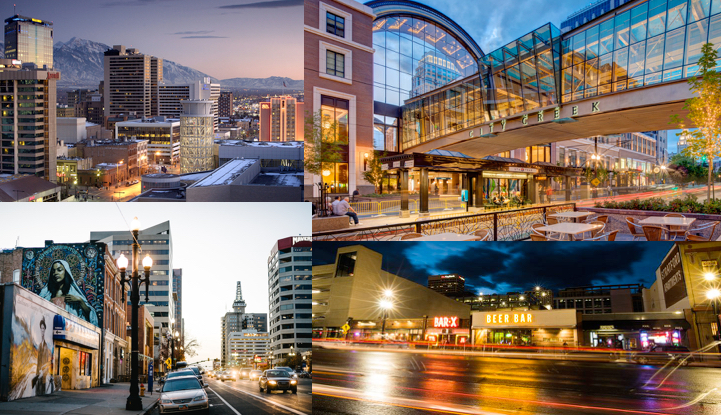
It’s a proven formula for real estate success: Combine a thriving tech scene and downtown development with enviable access to nature, and residential property will boom.
Read MoreWhy 2019 Promises to Be Better for Buyers
After inventory and affordability challenges in 2018, prospective home buyers may have better chances of scoring a property this year.
Read MoreWhat’s so great about The Great Salt Lake?
The Great Salt Lake ecosystem is a complex and unique saline ecosystem that is locally, regionally, hemispherically, and globally important. Check out the link below for a short video that explains how the GSL came to be.
Read More
Apartments or condos, which do developers prefer to build?
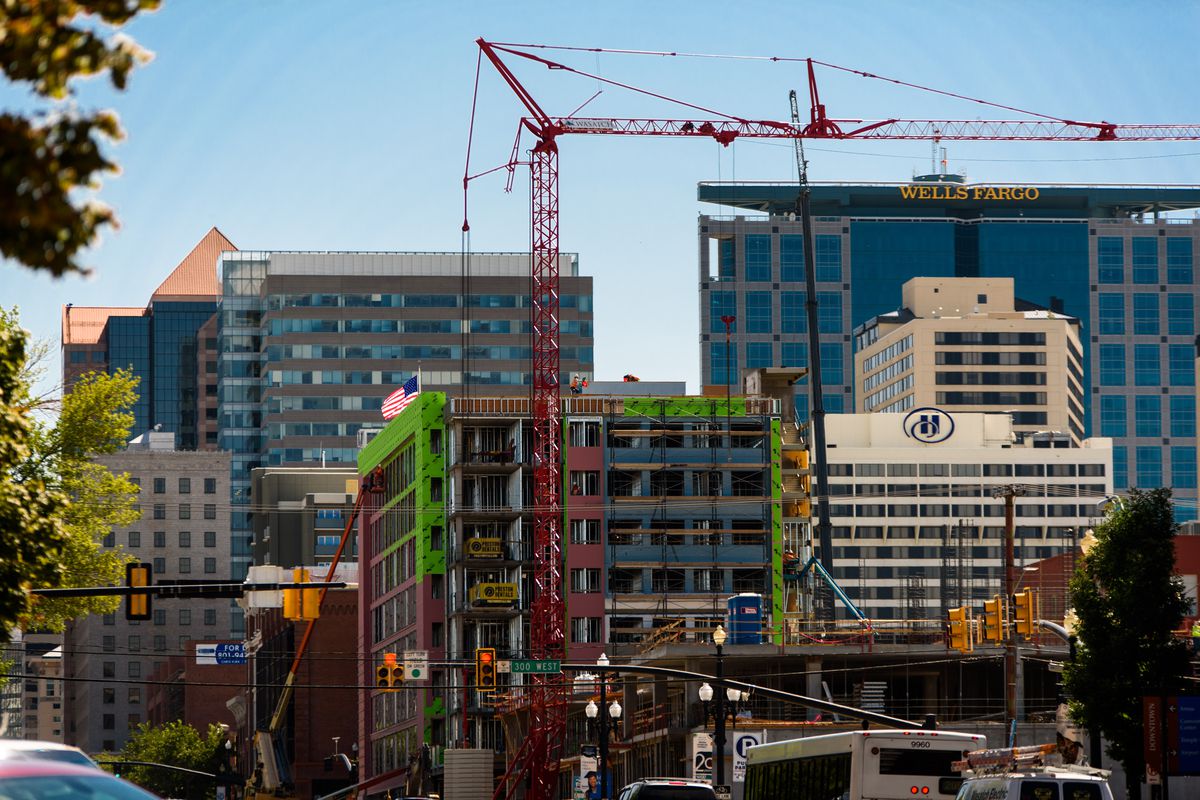
Scan the horizon in town and you are likely to see a staggering array of cranes. Although people often comment on “another condo” going up when they pass construction sites, nearly all of the big housing buildings going up during the construction boom in recent years are apartments, not condos.
Read MoreAccessory Dwelling Units in SLC
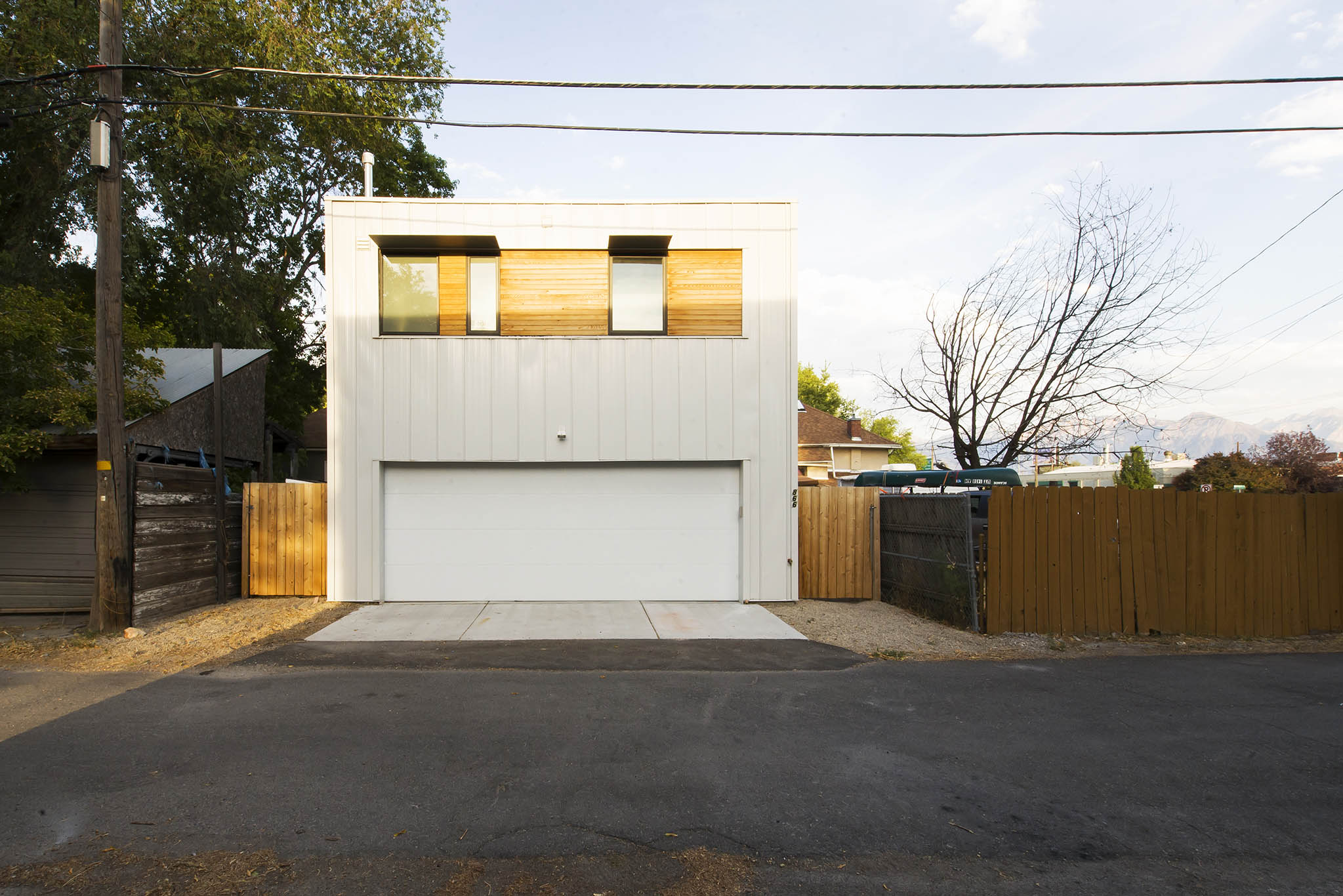
The ADU ordinance spent years in development as pushback from residents in the city’s most affluent neighborhoods resulted in delays, revisions and eventually a proposed ADU boundary that would exclude those neighborhoods from the ordinance. Read More
We hope to work with you again!
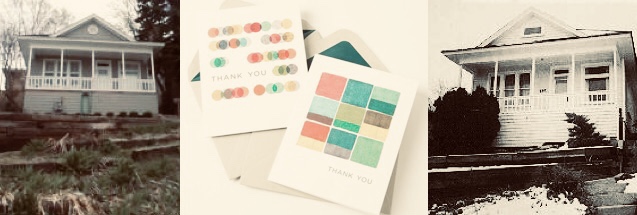
When your landlord gives you the option to buy the home you’re renting, it just might be worth taking action. Read More
Perfectly affordable home purchase
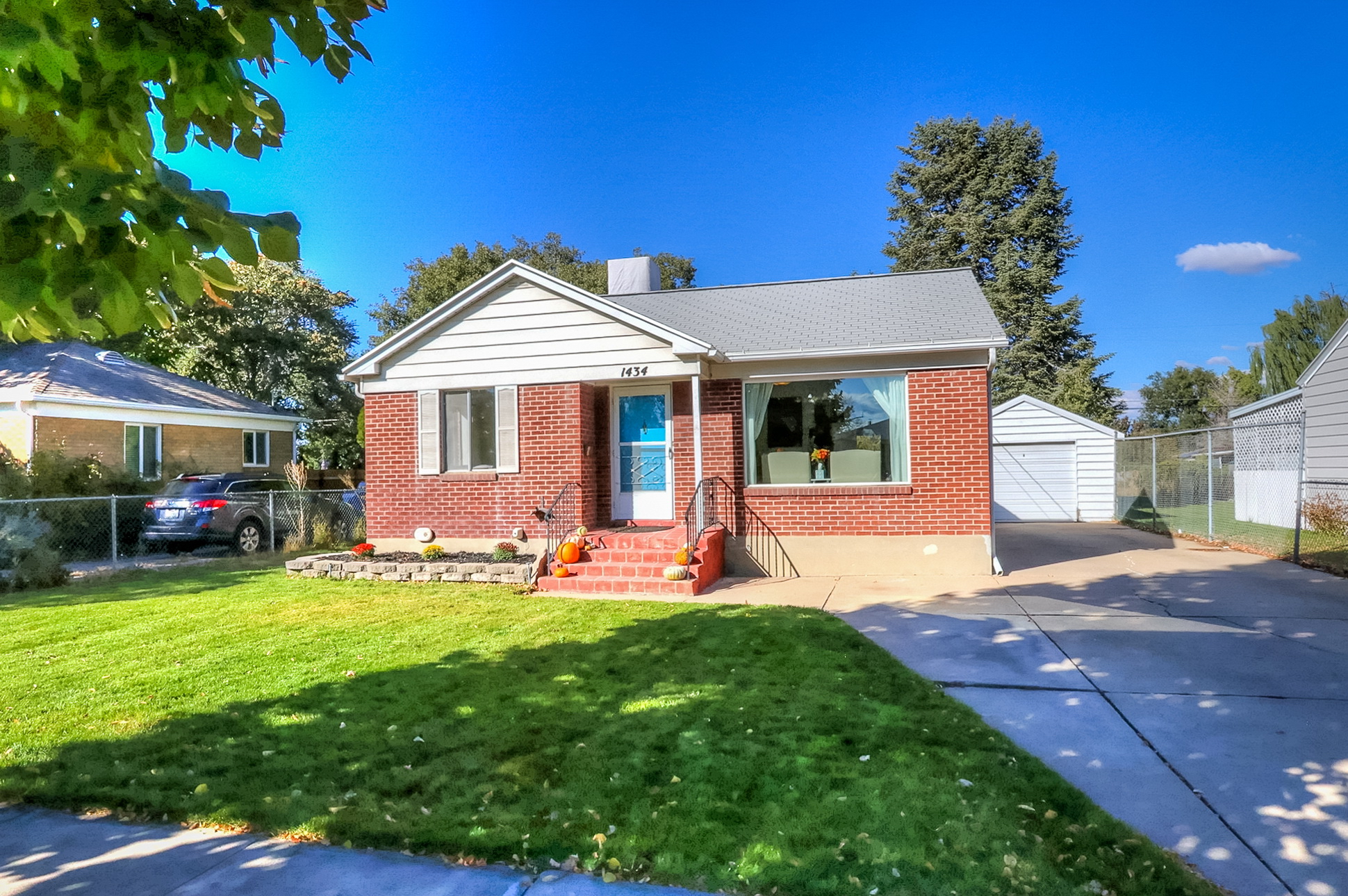
SOLD Perched in the Poplar Grove neighborhood this tidy 3 bedroom 2 bath home is sure to please. Read More
When It Comes To Homeownership, The Future Is Female
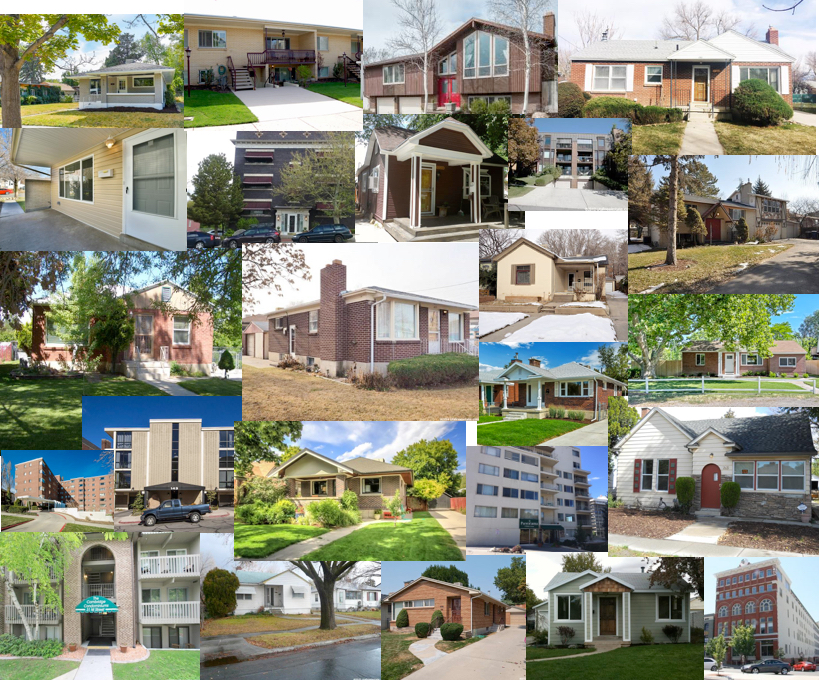
According to the U.S. Census Bureau, single women have outpaced men in homeownership since 1986. Read More
Town & Gown- the connection between our cities and their colleges
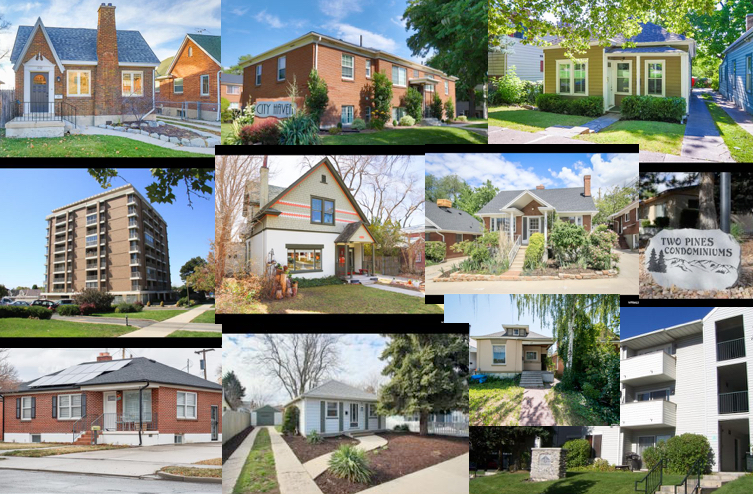
The close connection between real estate and colleges/universities is undeniable in Utah. Read More
Historic Duplex with views and land
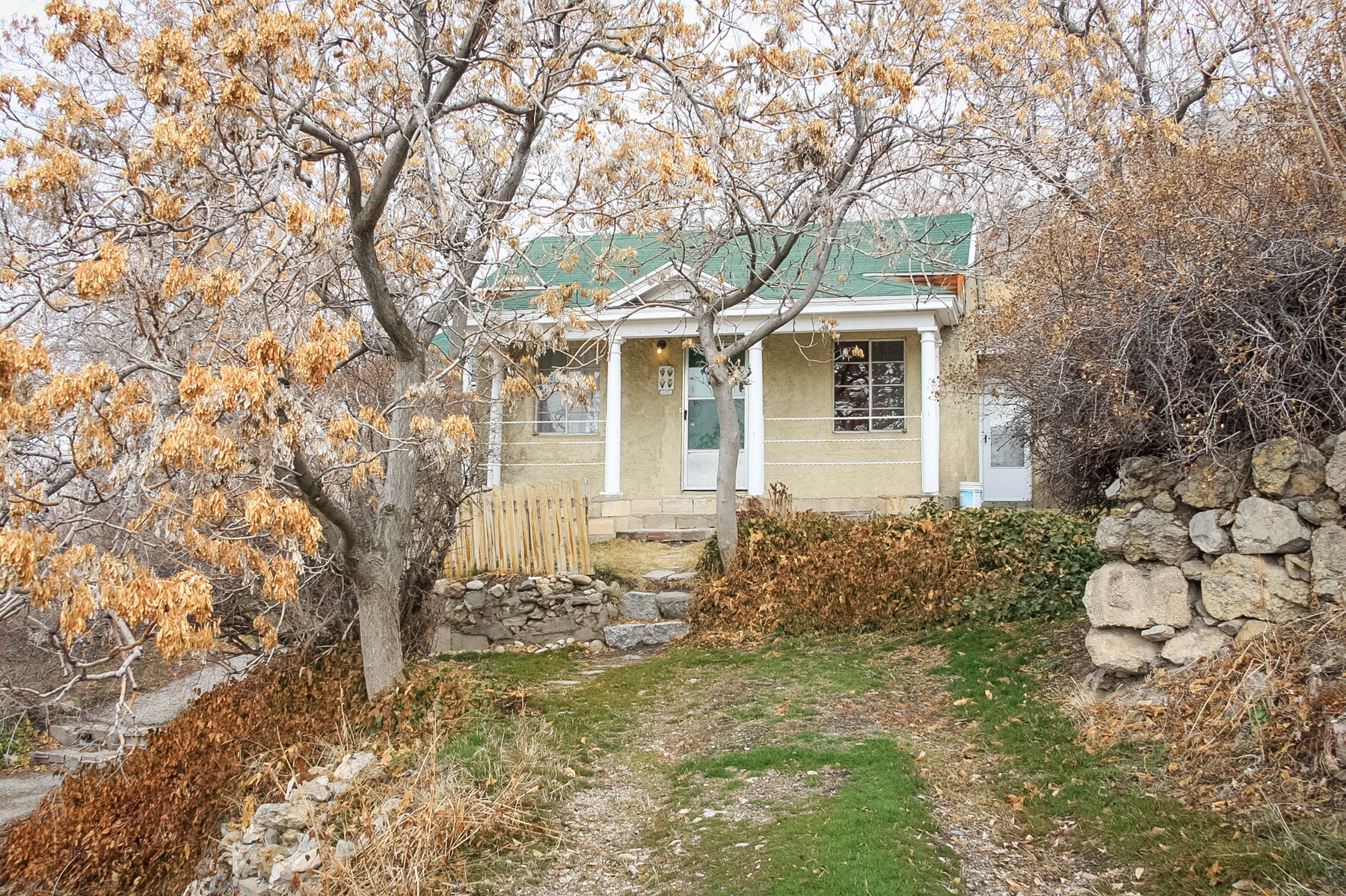
Under Contract Western skies and untamed space surround this 1.3 acre one of a kind property. Read More
Affordable Fairpark Home For Sale
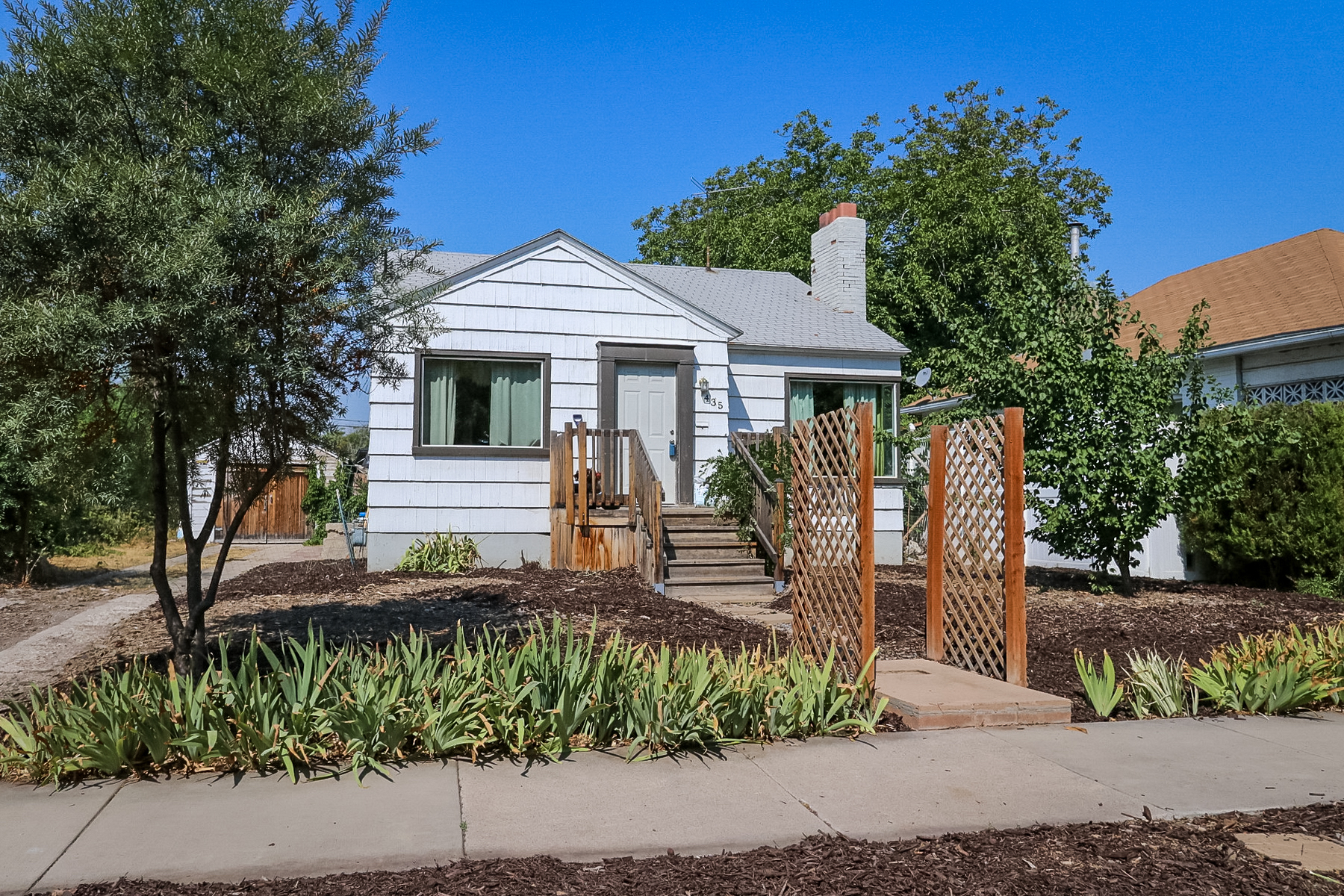
SOLD This charming 3 bedroom 1 bath home located on a quiet, well cared for street in the Fairpark neighborhood is just what you’ve been looking for. Read More
Can you believe it?
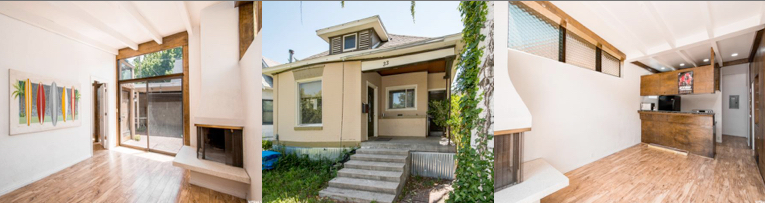
Anniversaries are fun to celebrate, and it’s been a year since we worked together to find your home in the University Gardens Neighborhood. Read More
What is a Park Strip?
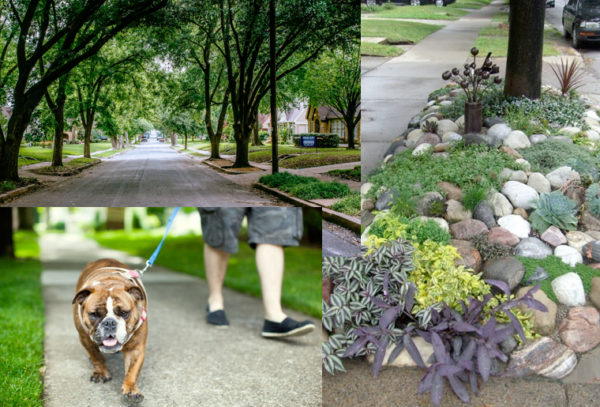
So, you may ask, what is the park strip, why is it there, and what do you do with it? Read More
Historic cottage with modern styling near Liberty Park
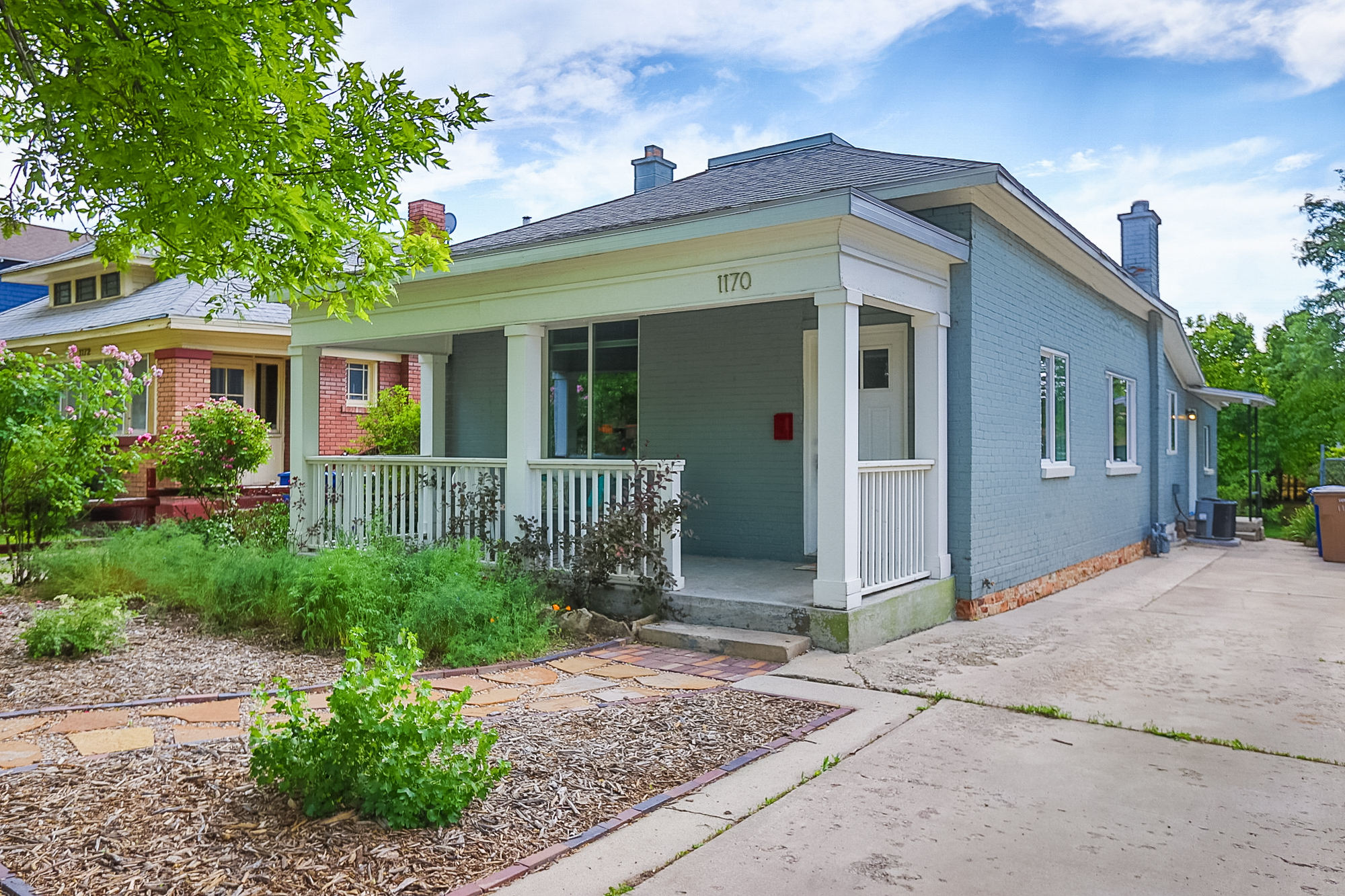
SOLD This 3 bedroom 1 bath home is the perfect combination of modern and historic character in the popular 9th & 9th neighborhood. Read More
Sweet farm life in sugar house
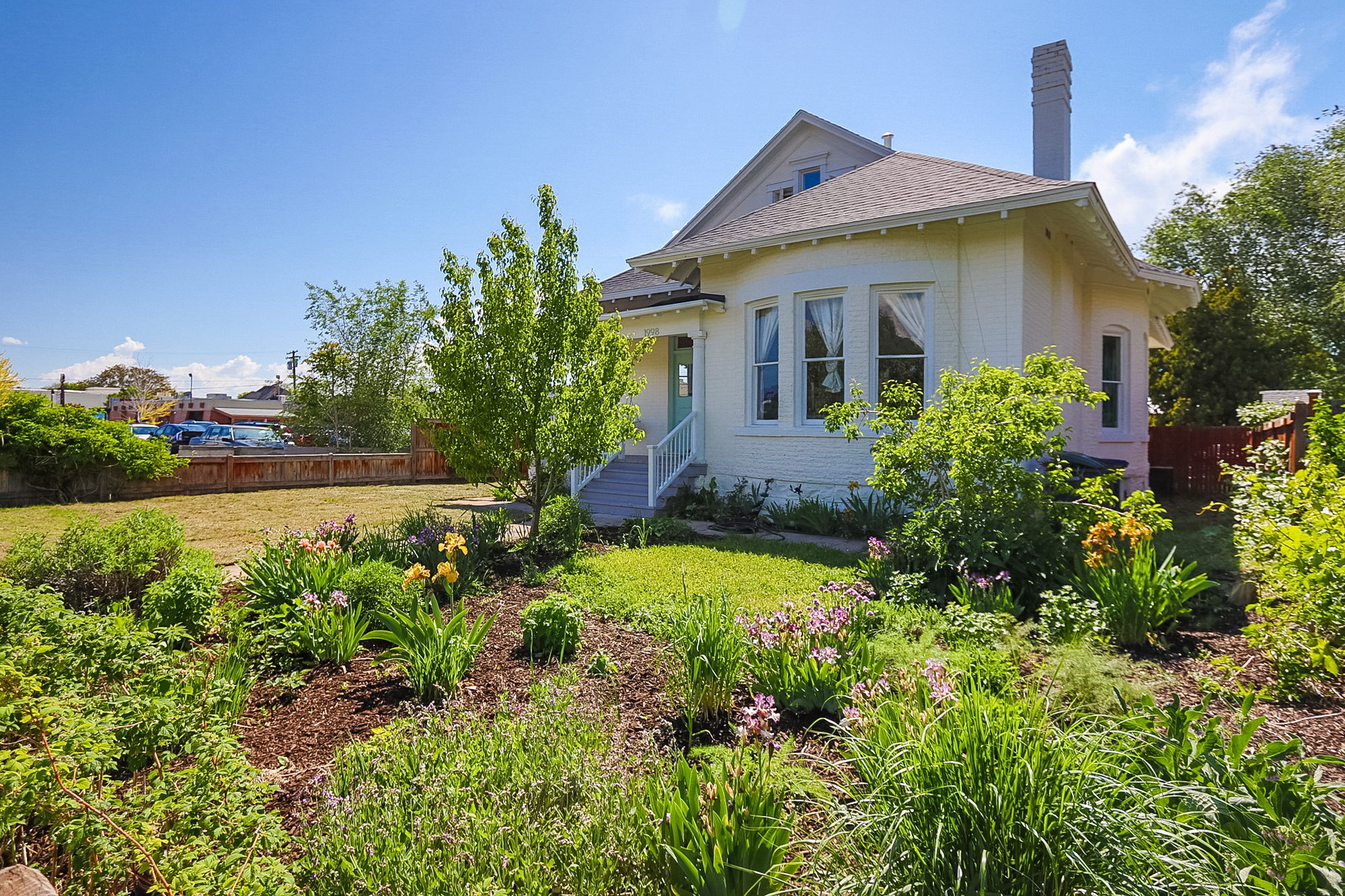
SOLD We first discovered this jewel with the homeowners in 2012, we knew right away it was special. Read More
The Value of a Realtor
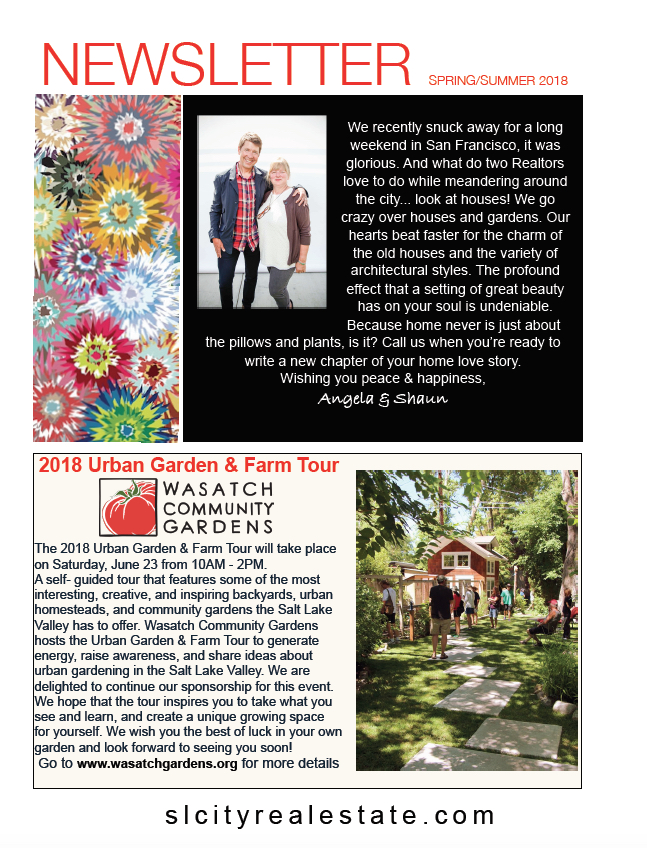
Our role in your real estate transaction is invaluable and is especially important in our ever changing market. Read More
Have you considered an Estate Sale?
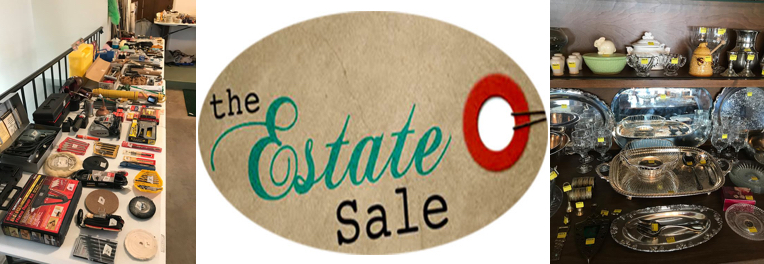
We take the best care of you and yours when selling a property for a loved one who has passed or just needs to downsize, but what if you need help with the disposal of all the sh..stuff? Read More
Why is Utah a great place to live, work, learn and play?

Where we live can influence our health, our economic potential, and our children’s futures. Everyone-no matter their age, ability, income, or race-deserves the option to live somewhere affordable, convenient, beautiful, and safe. Read on to find out more about the investments, stewardship, and supportive, thriving communities in Utah.
“We can’t thank you enough…”
We’ve always felt it’s a great honor to work with you, and we don’t often use that word. Read More

Forever Grateful…
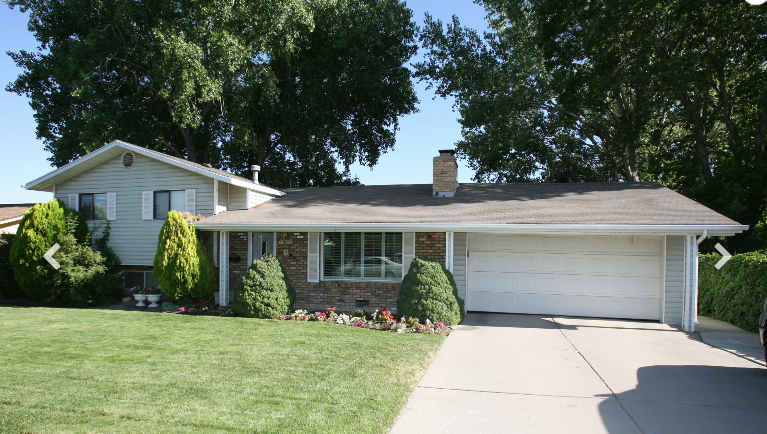
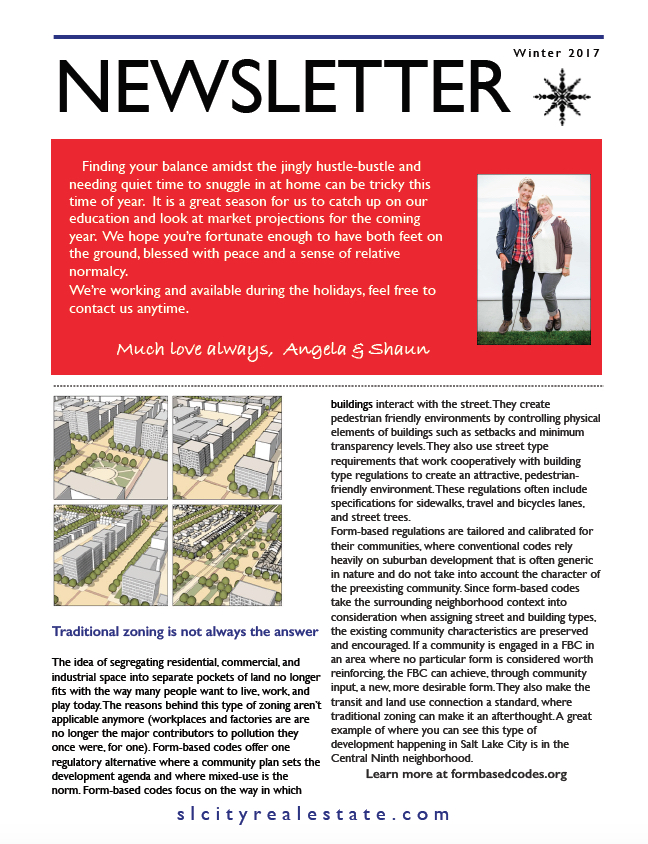
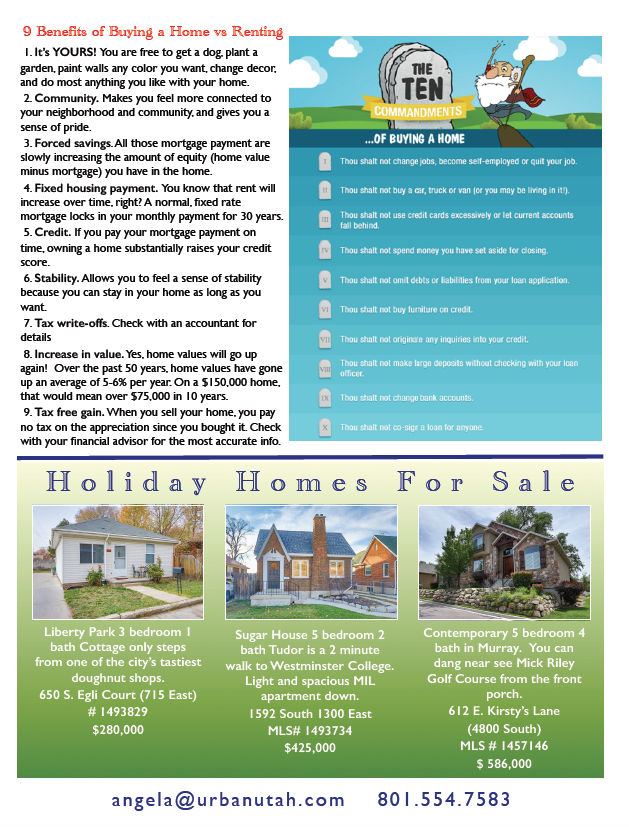
We had a conversation with a colleague recently who was confounded as to why we enjoyed working in residential versus commercial real estate. Read More
Tasteful Tudor For Sale in Sugar House
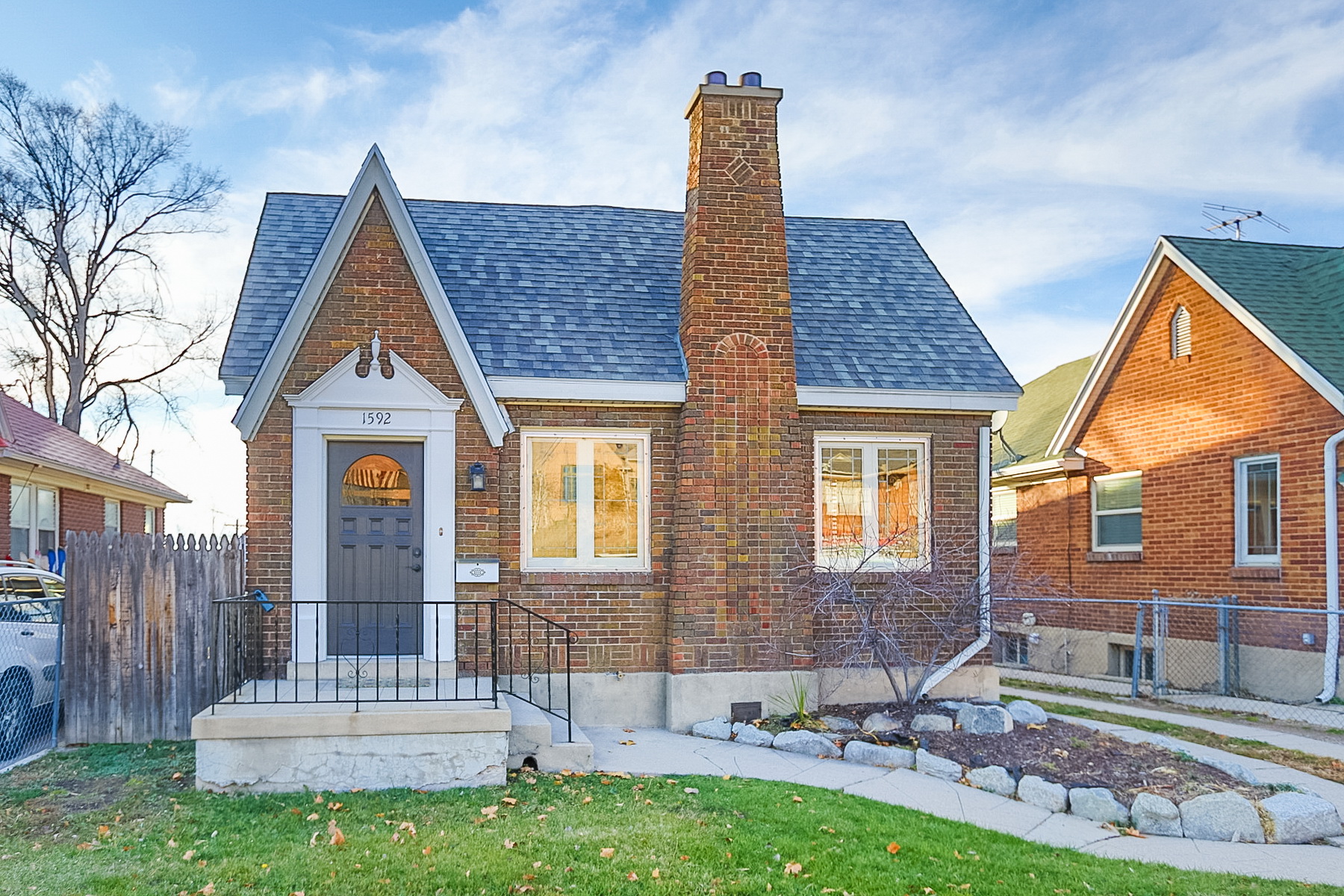
SOLD Classic Tudor style 5 bedroom 2 bath home with handcrafted details such as the coved ceiling, leaded glass windows, graceful chimney and original fireplace, hardwood floors, mouldings and more. Read More
For Sale in Liberty Wells Neighborhood
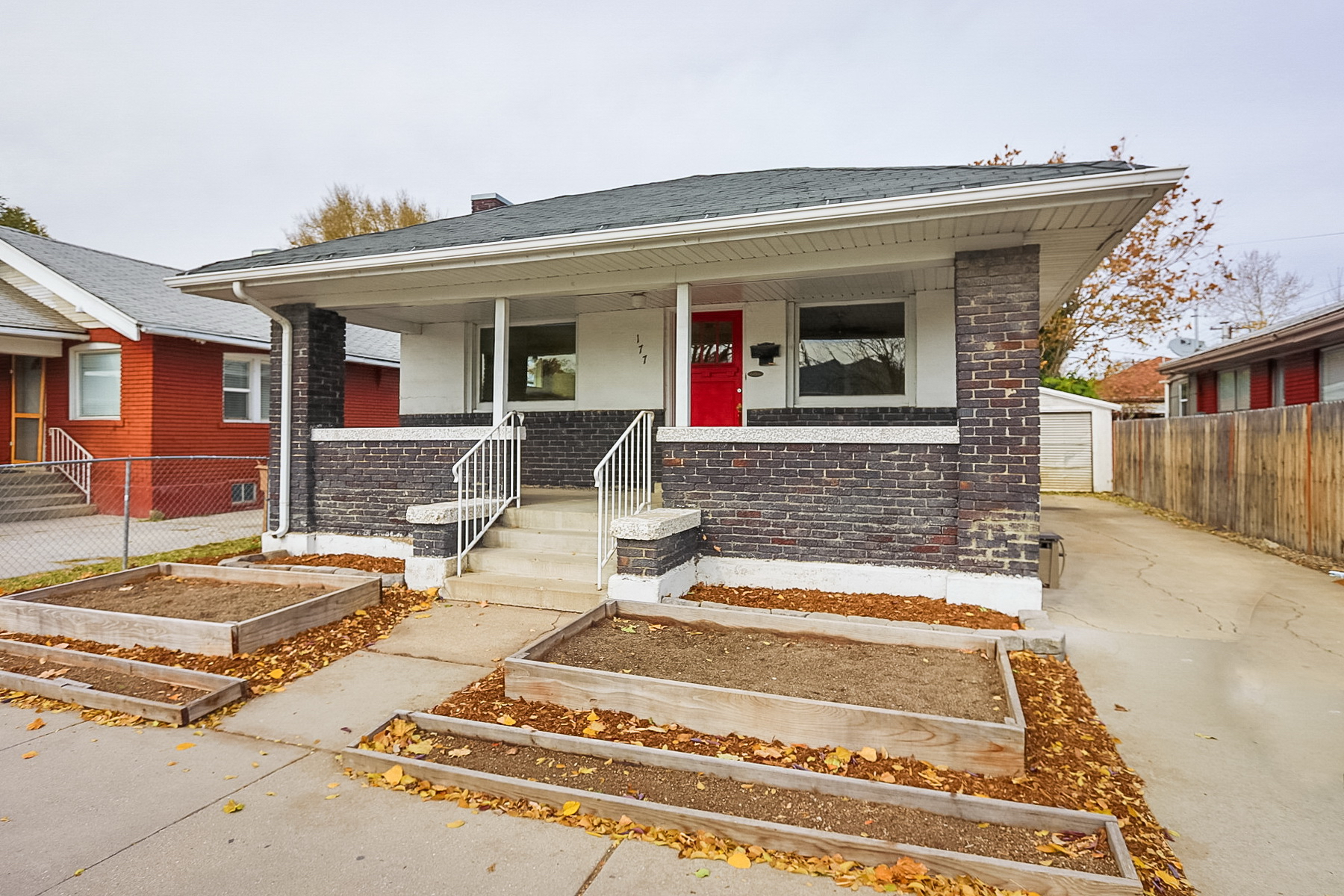
SOLD Affordable Liberty Wells true 2 bedroom 1 bath bungalow with great potential to make over as your own. Read More
Forest Dale Cottage For Sale
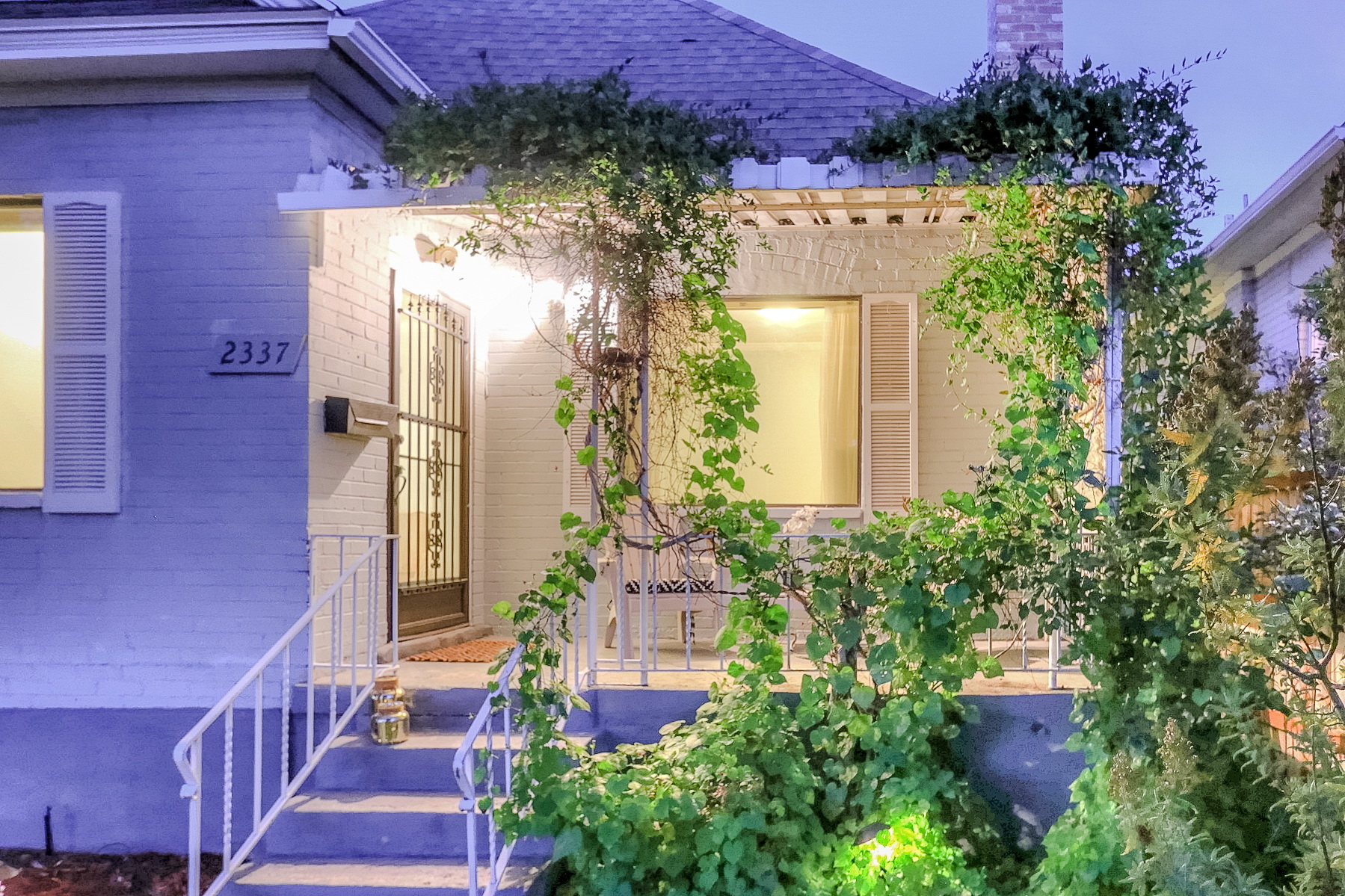
SOLD Built in a bygone era, this little 2 bedroom 1 bath gem shines with smart updates throughout. Read More
Lower Yale Avenue Bungalow For Sale
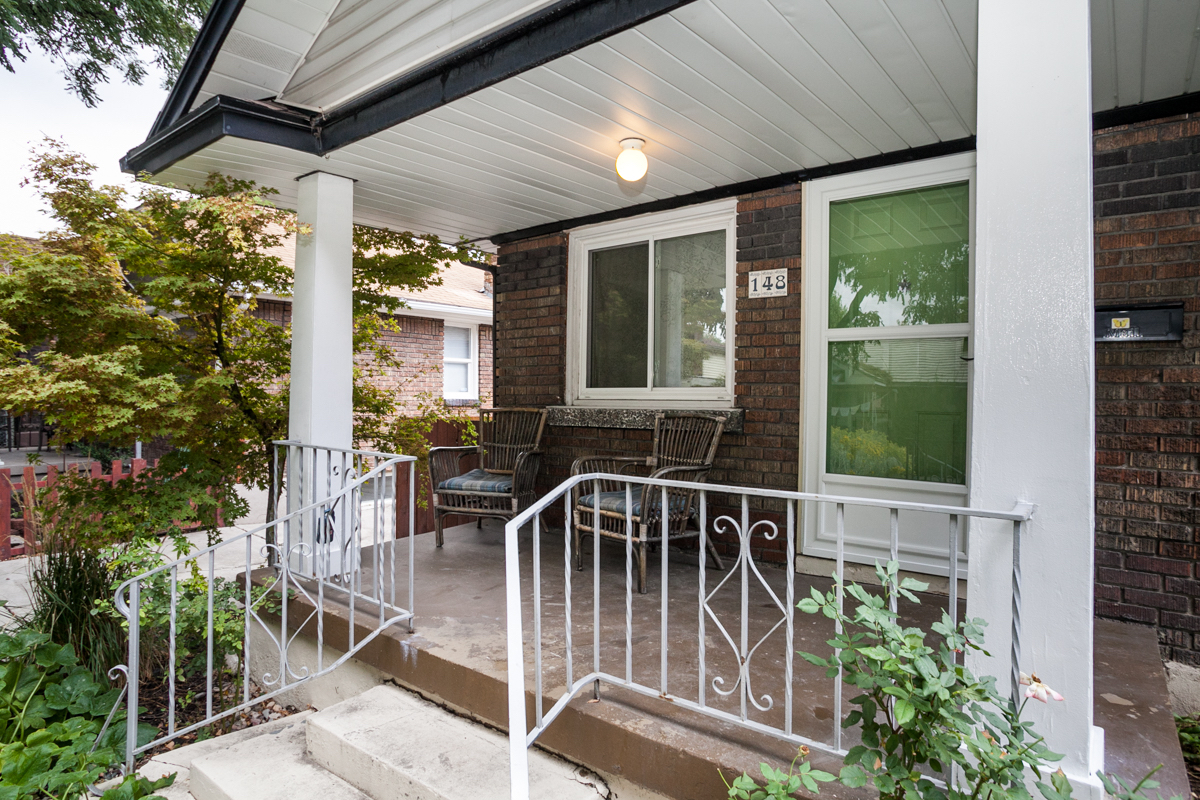
SOLD Easy living in this cute 2 bedroom 1 bath east-side bungalow with great porch sitting potential. Read More
I got rid of my PMI!
My appraisal amount came back at exactly the amount I needed to remove my PMI, that’s the good news. Thanks for your help with this!
B.R. Read More
For Sale in University Gardens Neighborhood
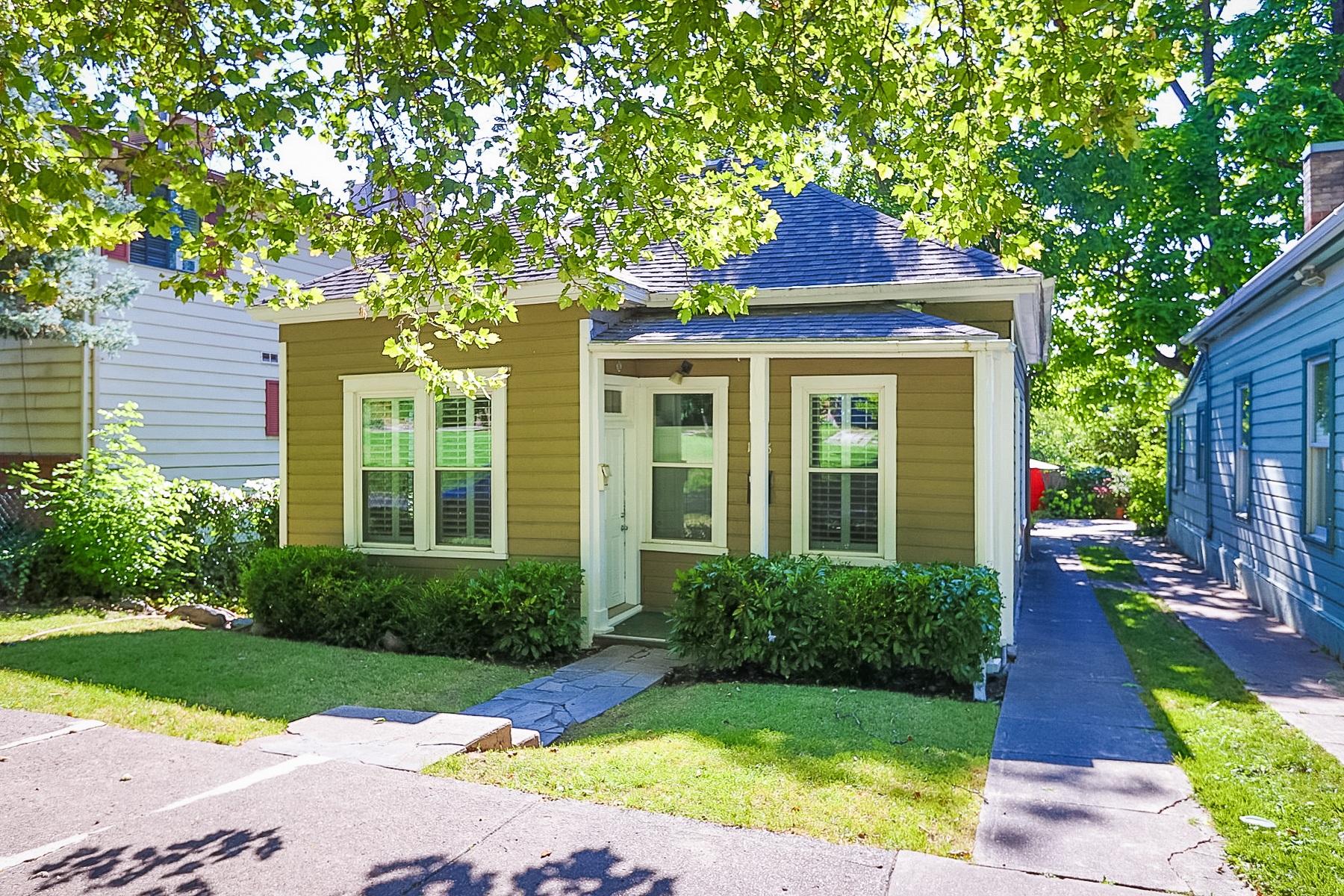
SOLD The charm in the University Gardens neighborhood is undeniable and this 3 bedroom 2 bath historic home has the distinct pleasure of having a front row seat. Read More
Central City Condo For Sale
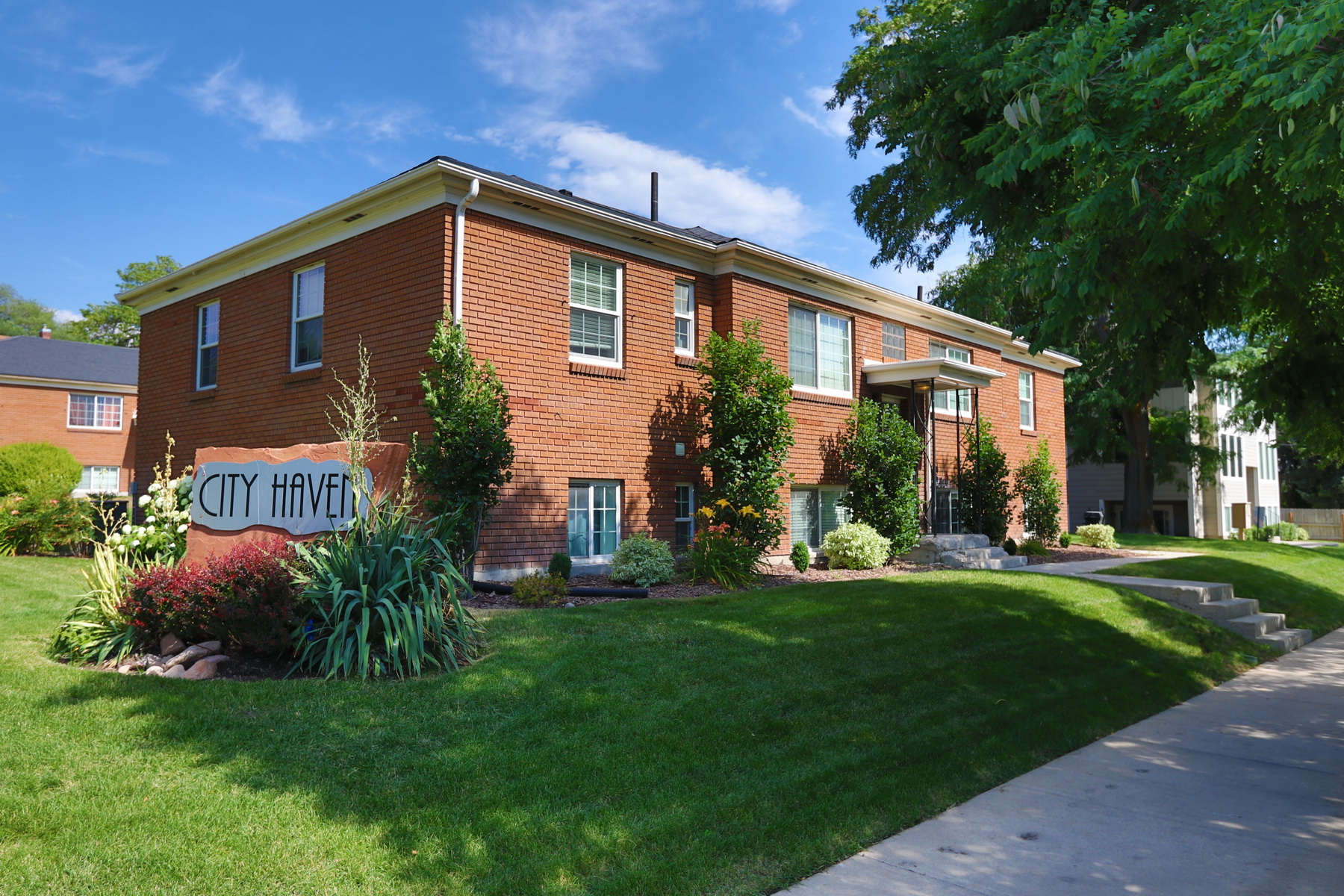
SOLD Urban and updated 2 bedroom 1 bath condo conveniently located between downtown and the University. Read More
Morgan Valley Home For Sale
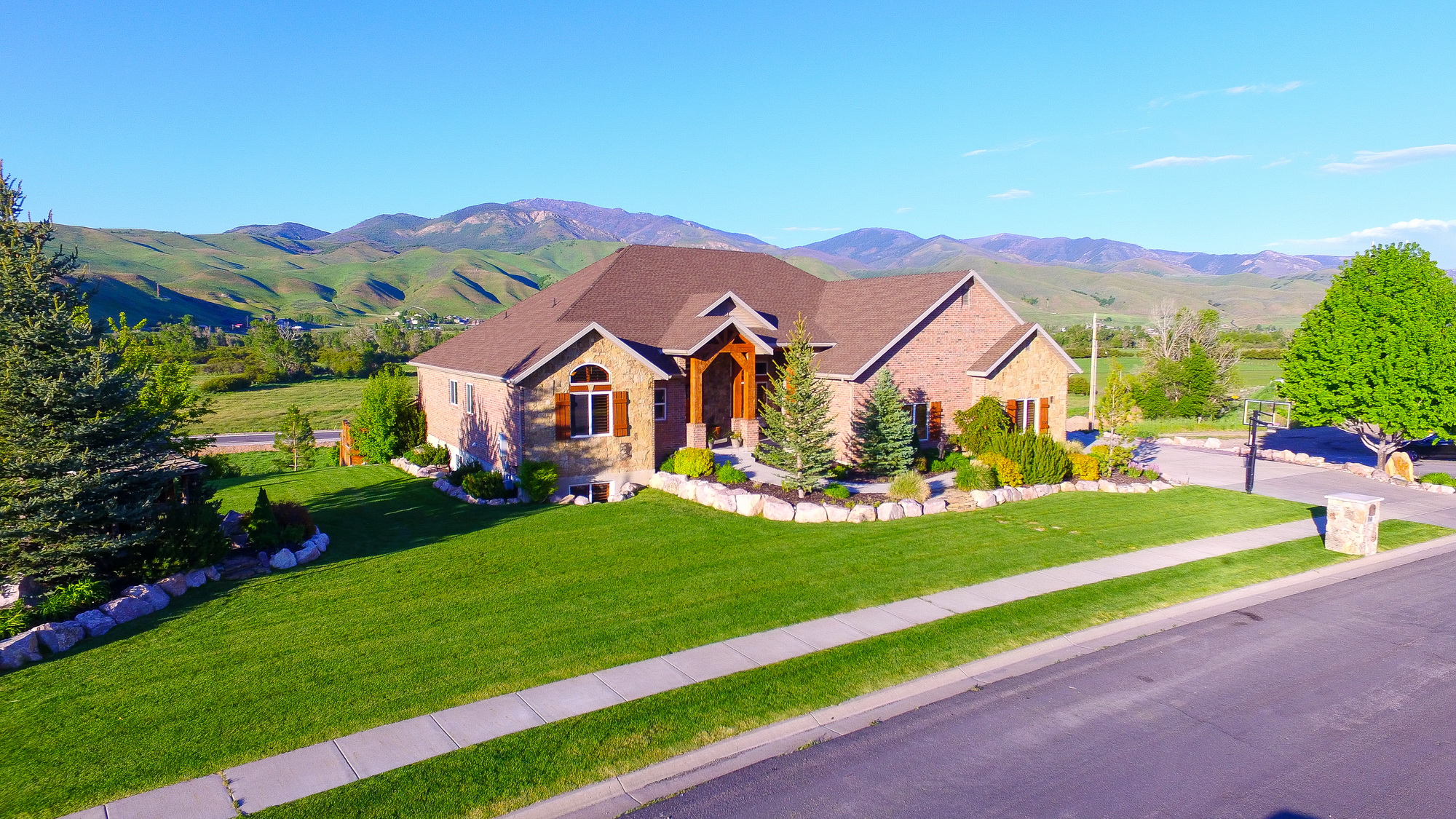
Fall in love at first sight when you step into this sophisticated 5 bedroom 5 bath Morgan Valley home with a cook’s dream kitchen and entertaining space for all. Read More

Fairpark cottage for sale
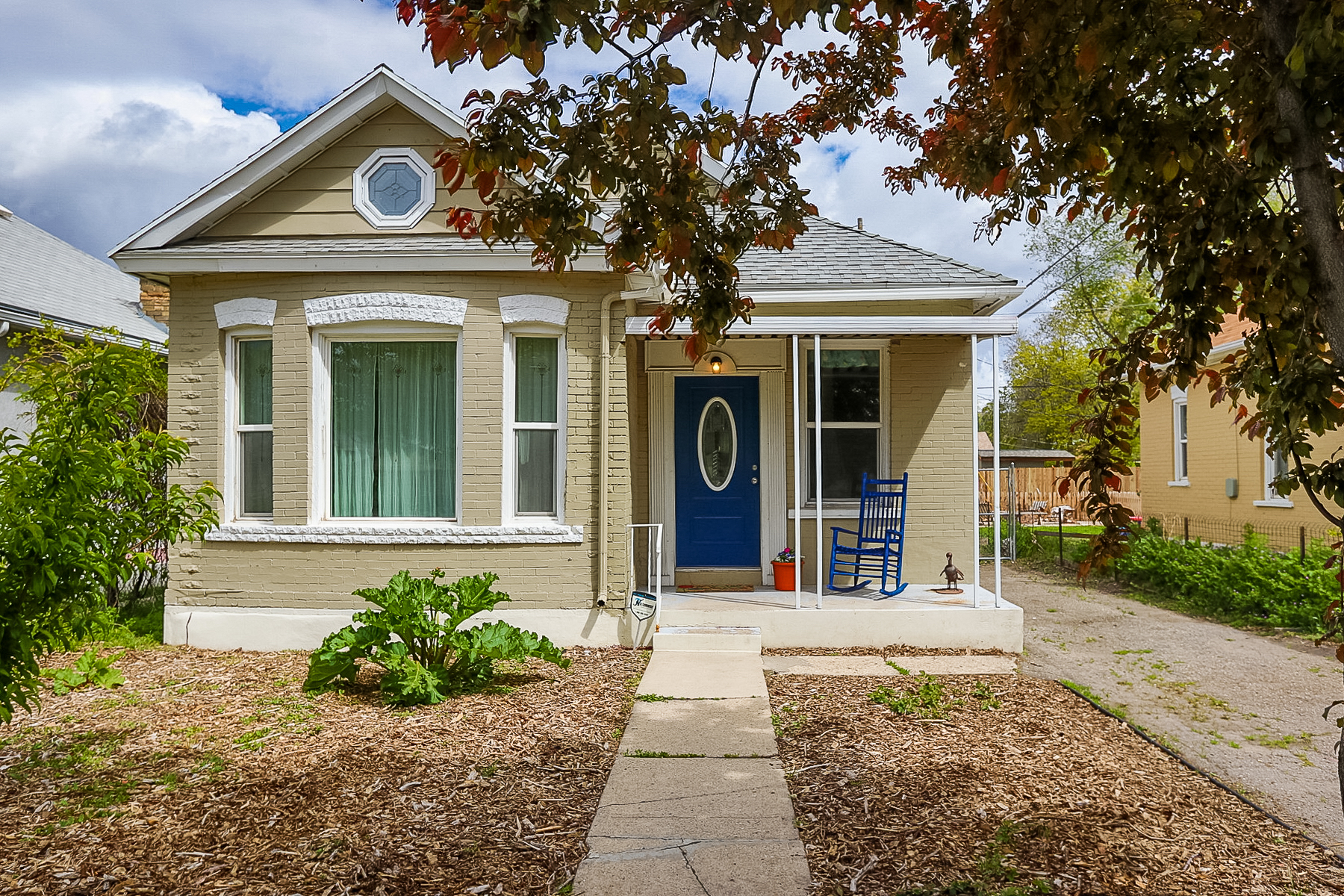
SOLD – Built in 1909 this darling Victorian 2 bedroom 1 bath home is ready for you. Read More
Sugar House Cottage for sale
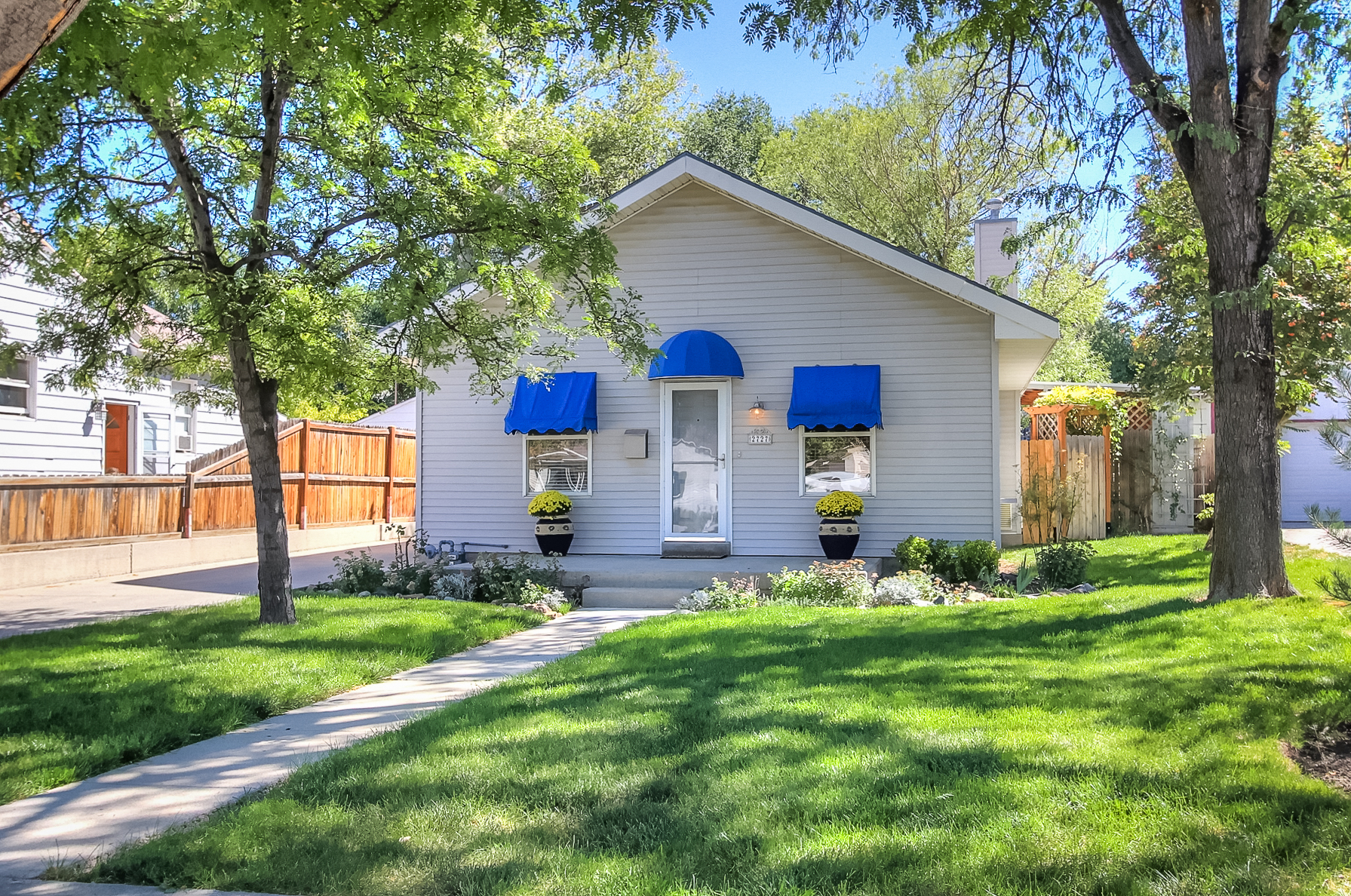
Sold – We stuck with the seller’s preferred price and by golly wouldn’t you know it, they were right. After a mere 228 days on the market and the advent of perhaps the strongest seller’s market in the history of Utah, we got her sold. Read More
Sitting pretty in the city
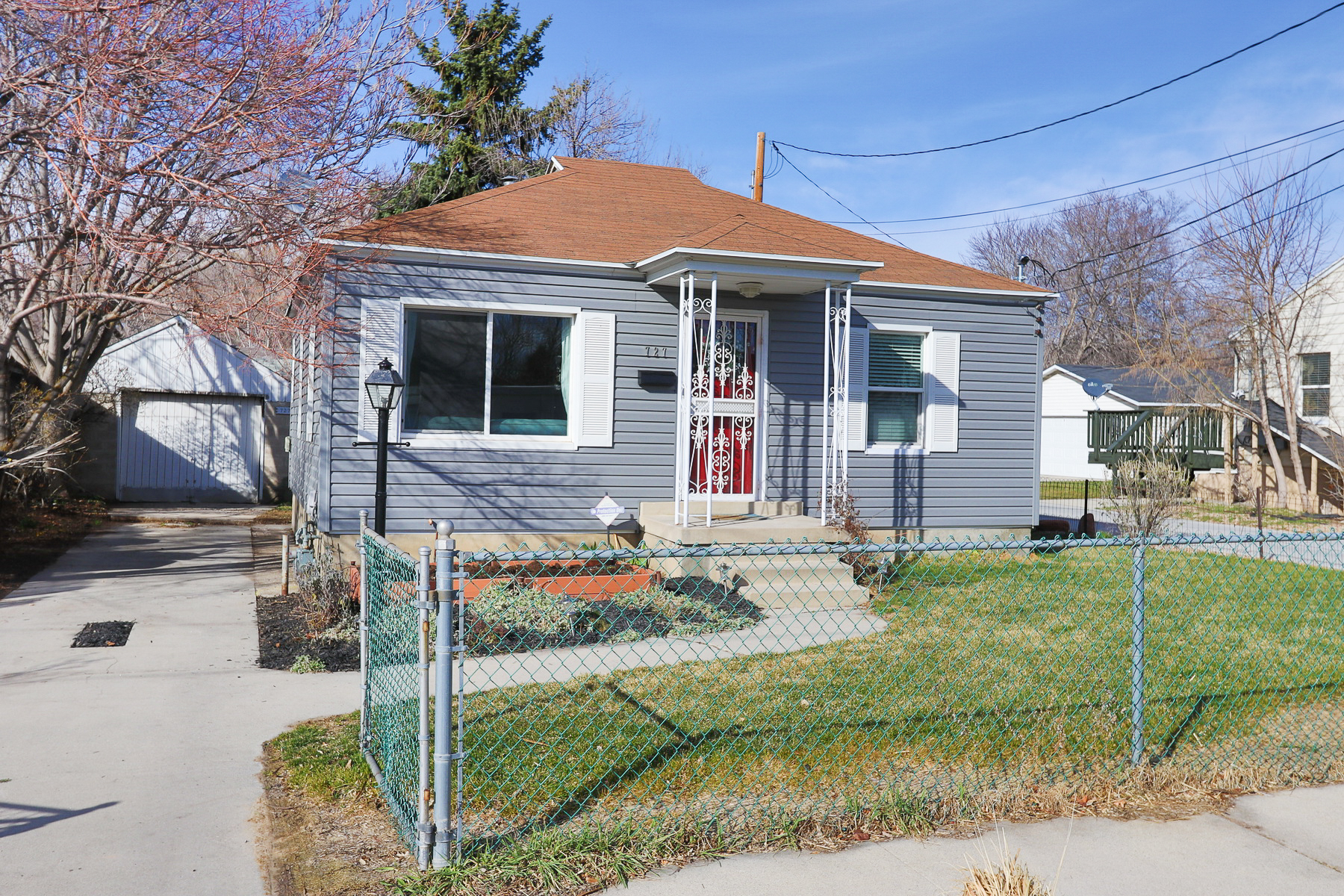
Sold – You know what they say about good things in small packages, “they sell fast” is what we say around these parts! Read More
University Gardens Victorian home for sale
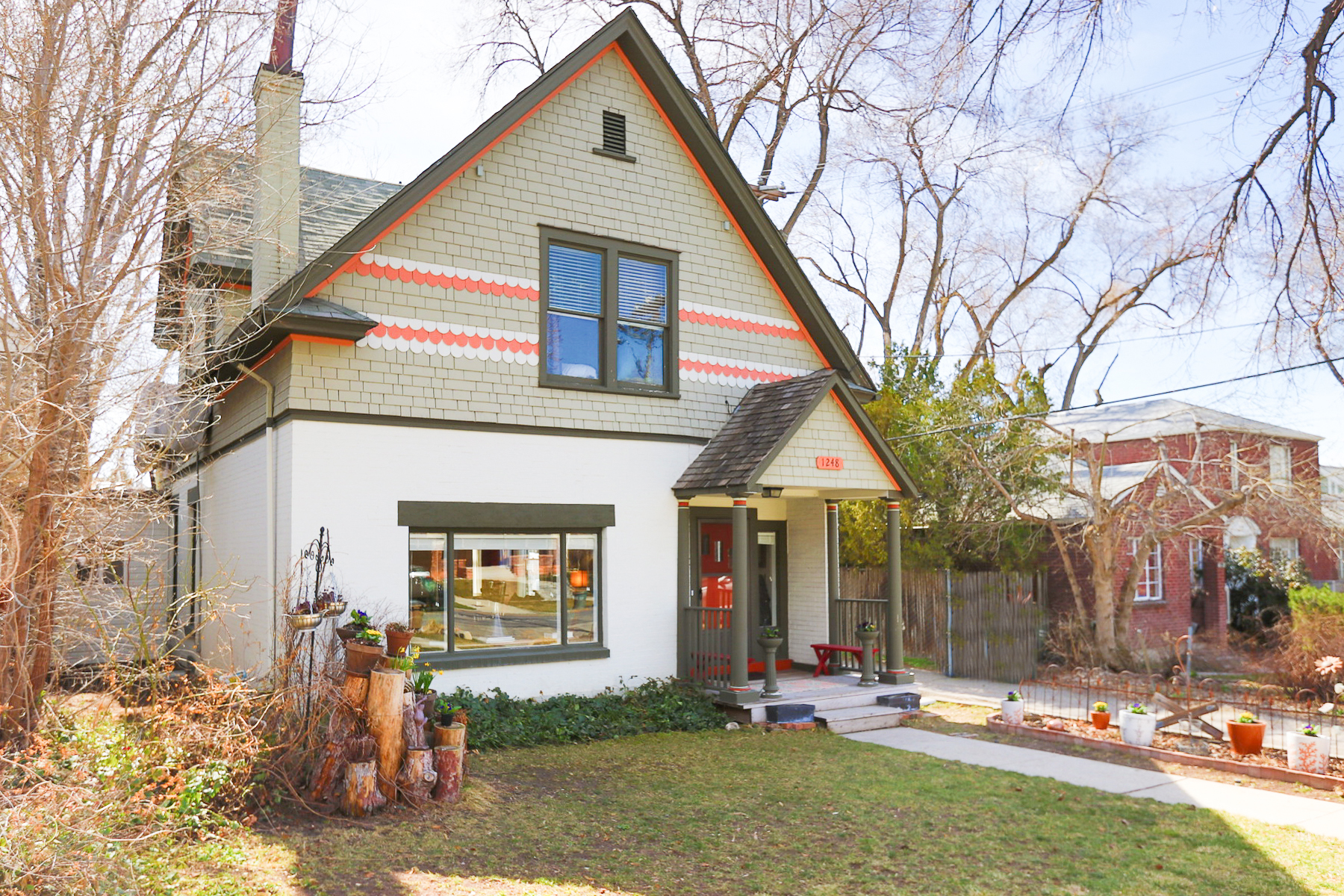
Sold – Lovely two story Victorian with three bedrooms, two baths delightfully blending historic charm and modern style. Read More
Mid-Town Condo for sale
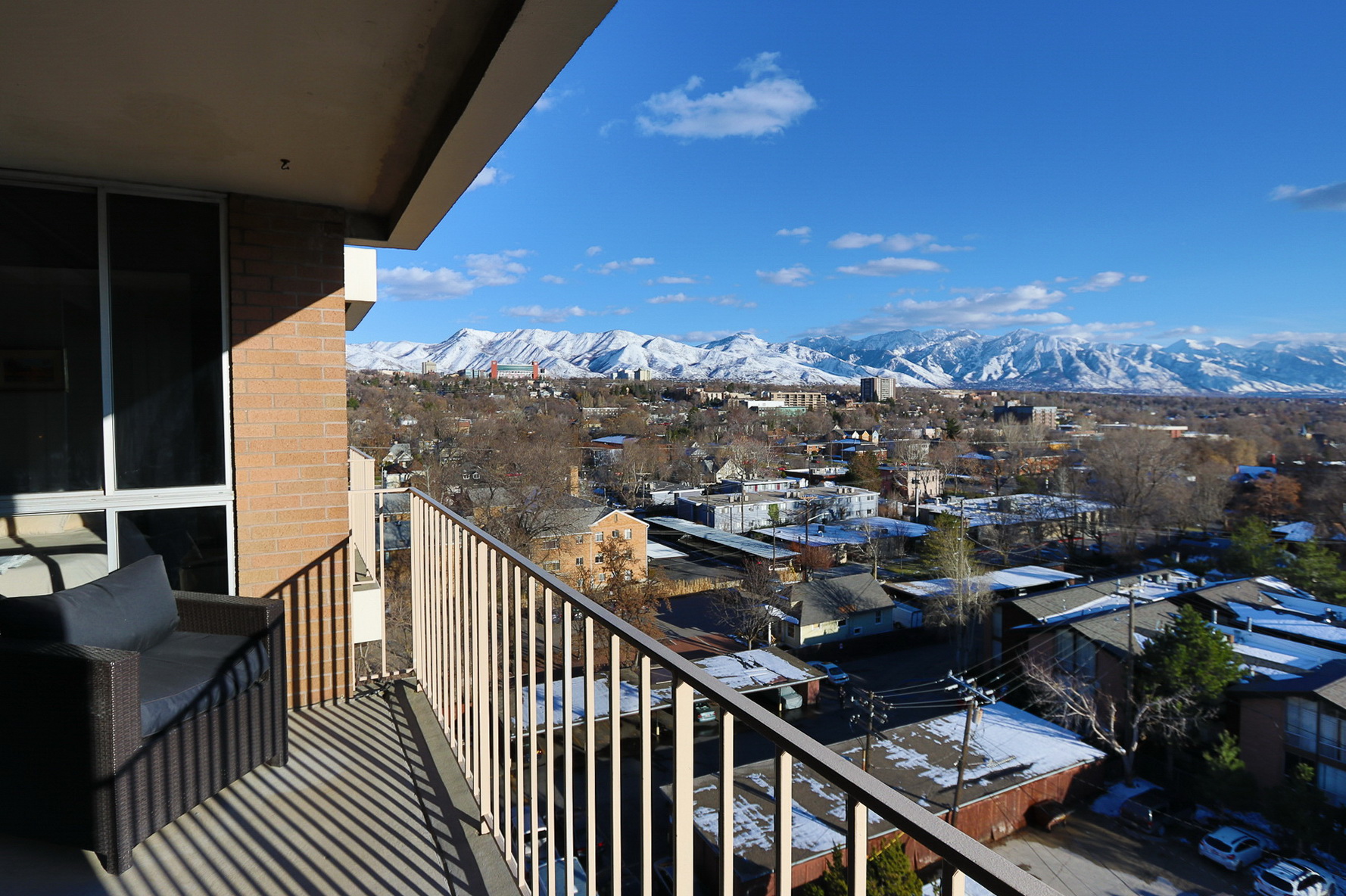
Sold – Enjoy mountain to lake valley views while relaxing on your ample balcony or through the floor to ceiling glass of the living room in this one bedroom unit. Read More
Love in Rose Park
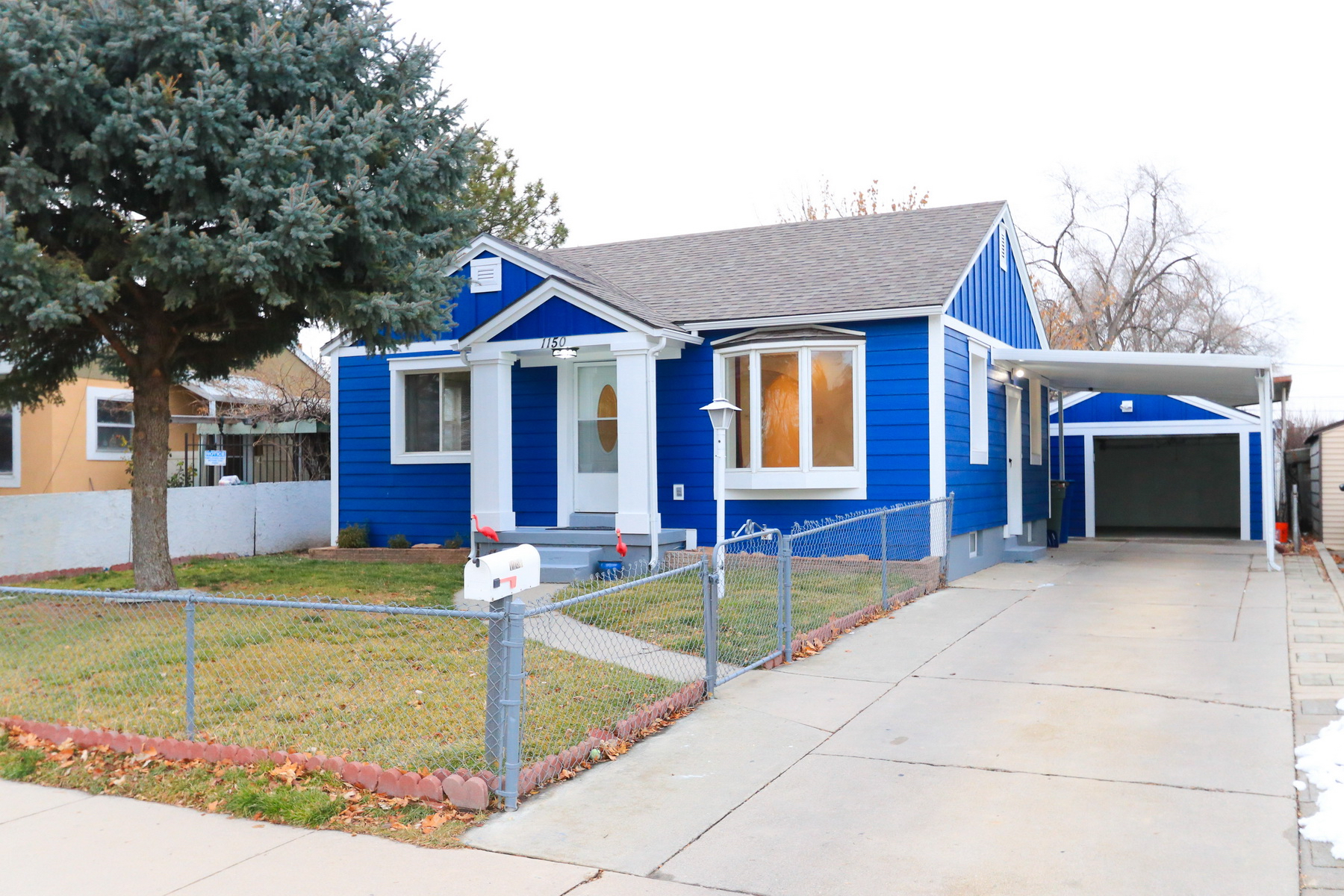
SOLD – This updated and well loved 5 bedroom 2 bath home welcomes you in right away. Read More
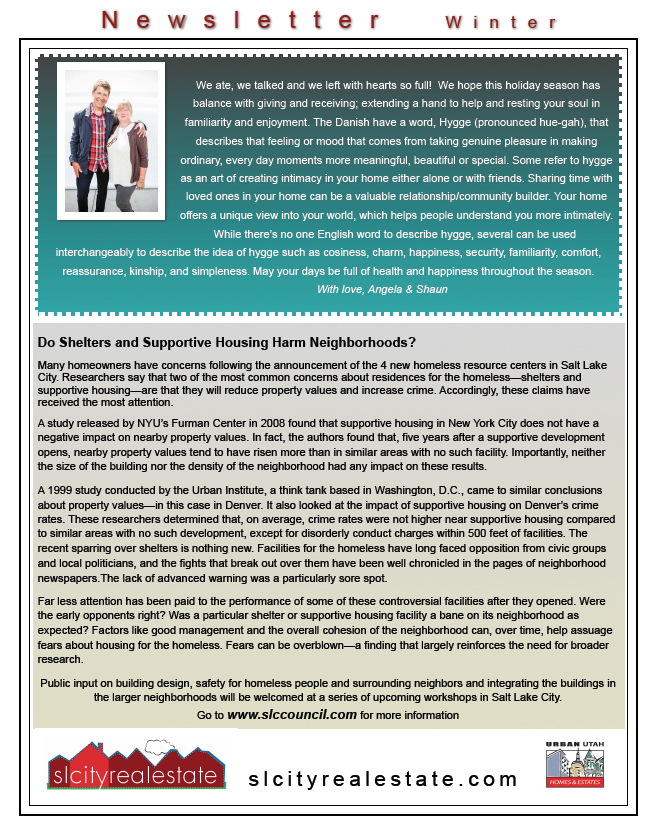
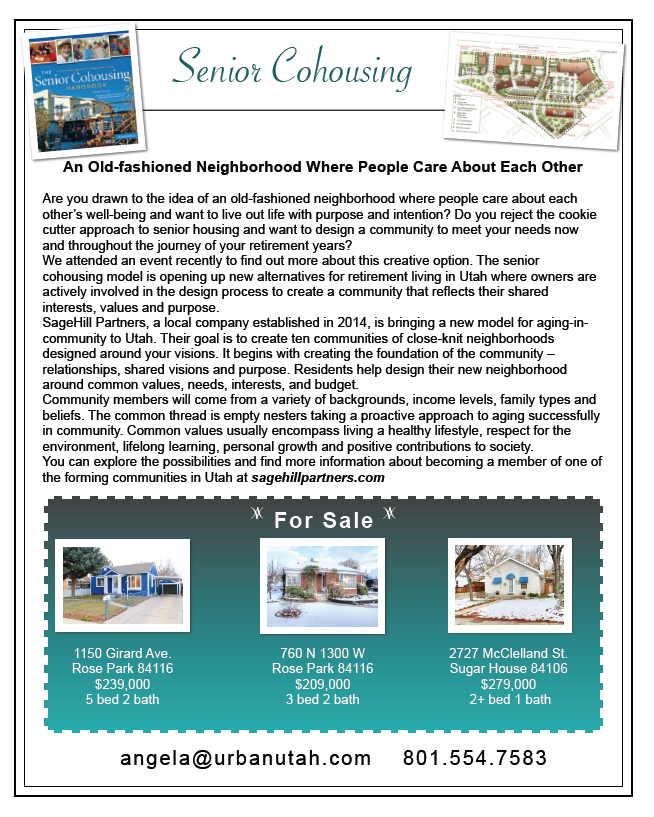
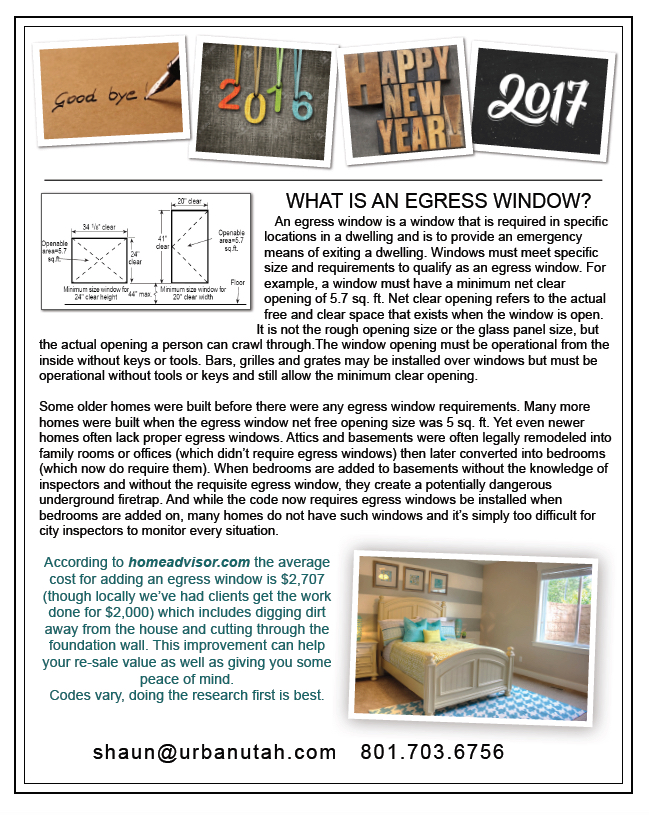
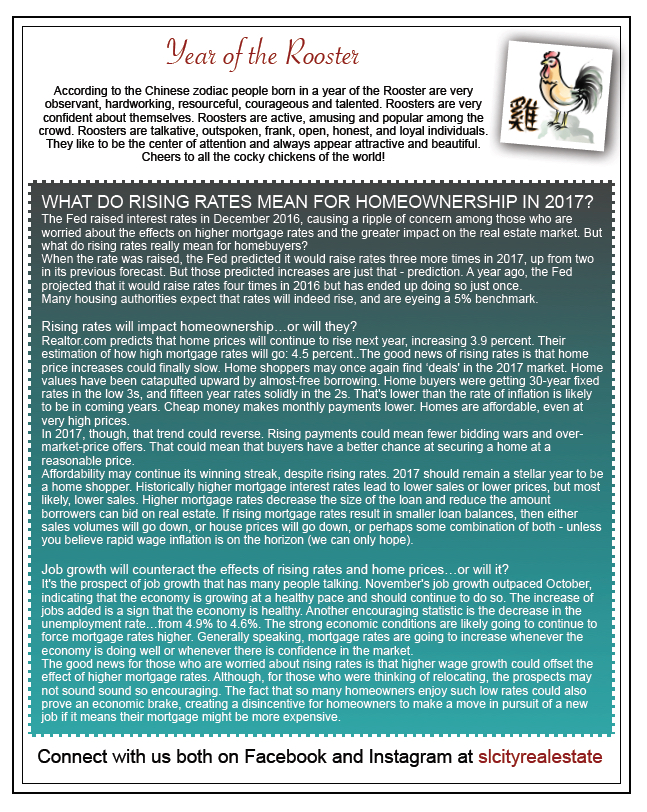
Sustainable cities, linking universities with city government
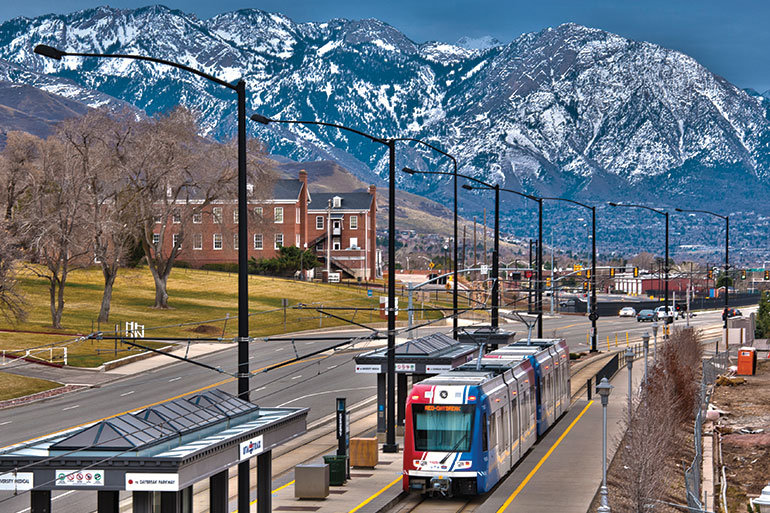
Our cities are creating walkable, vibrant, inclusive neighborhoods that are attracting residents and employers, supporting existing businesses, and fostering entrepreneurs. Read More
What about schools?

When choosing a neighborhood many home buyers consider proximity to good schools to be one of their top priorities. Read More
Rose Park cutie for sale
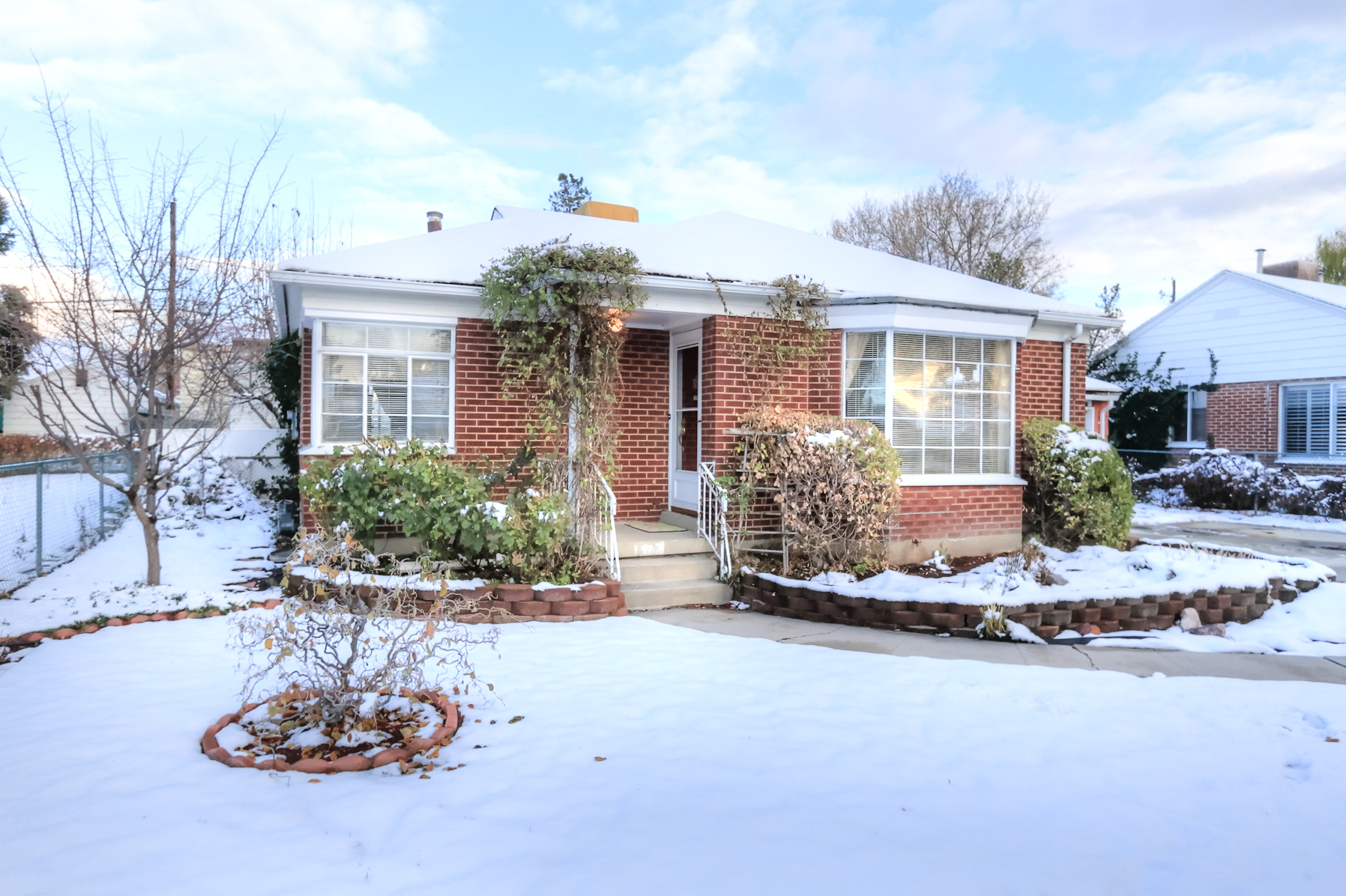
SOLD Celebrate the season living in this charming neighborhood with its tree lined streets, sidewalks and cute homes like this one. Read More
Canyon Rim cottage for sale
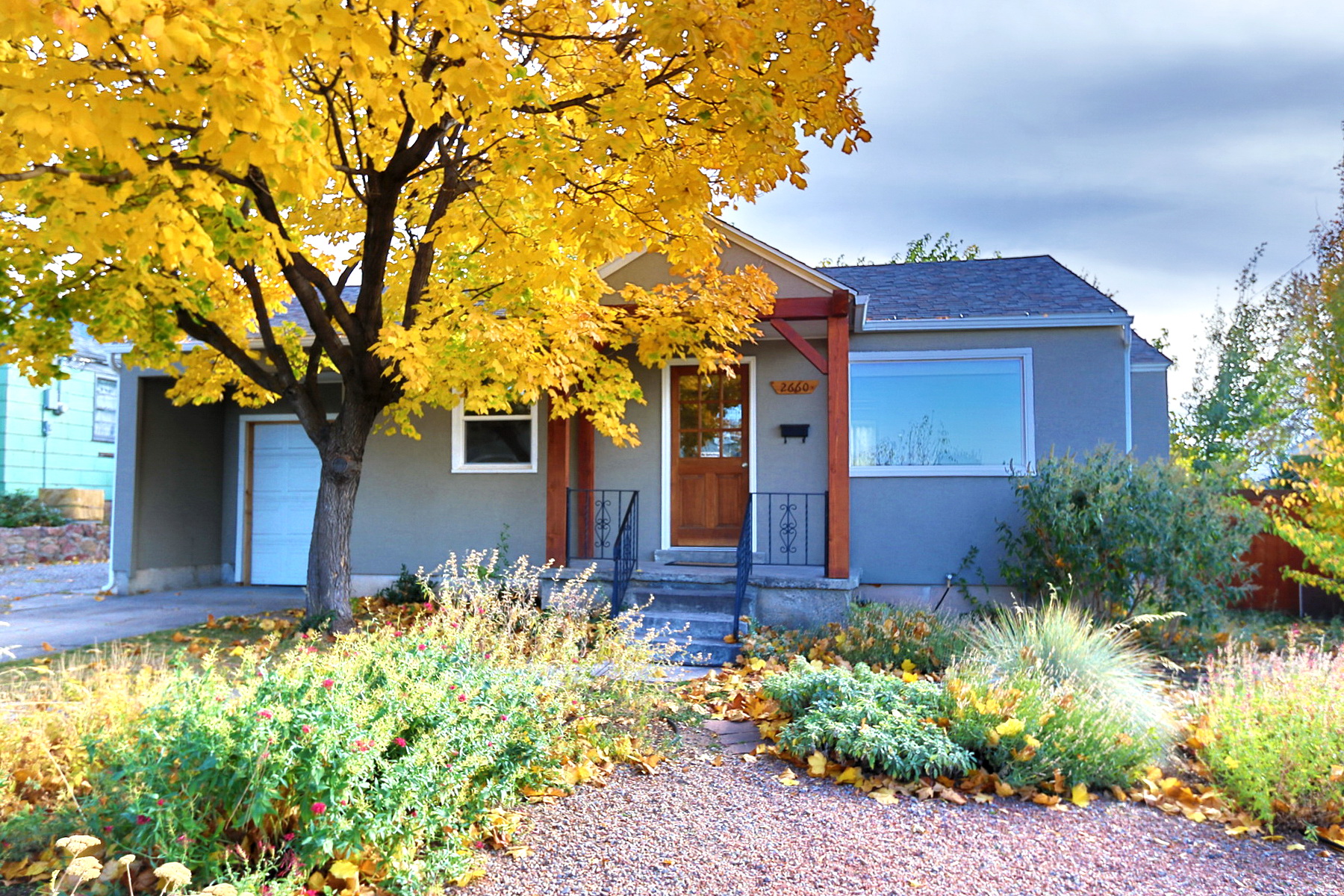
SOLD Peaceful living in this charming 4 bedroom 2 bath cottage located in the desirable Canyon Rim area. Read More
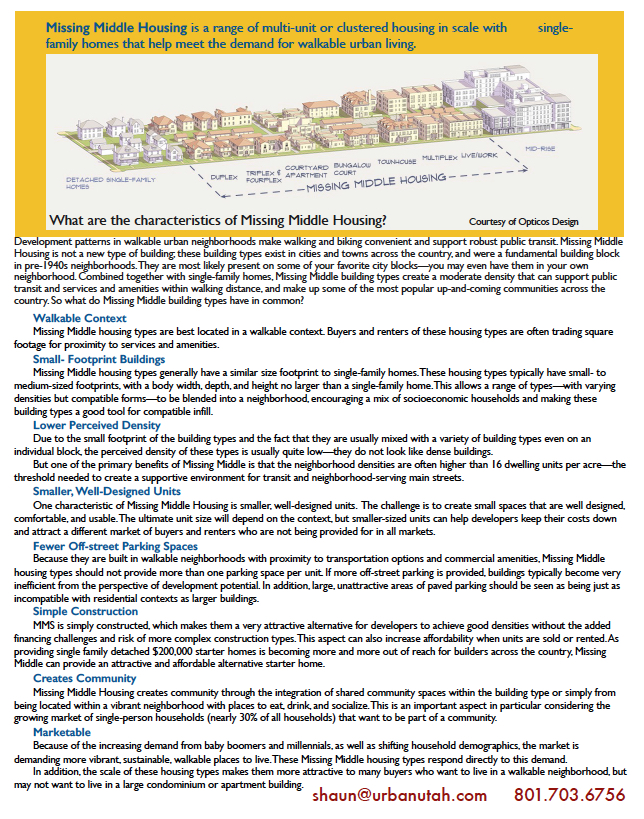
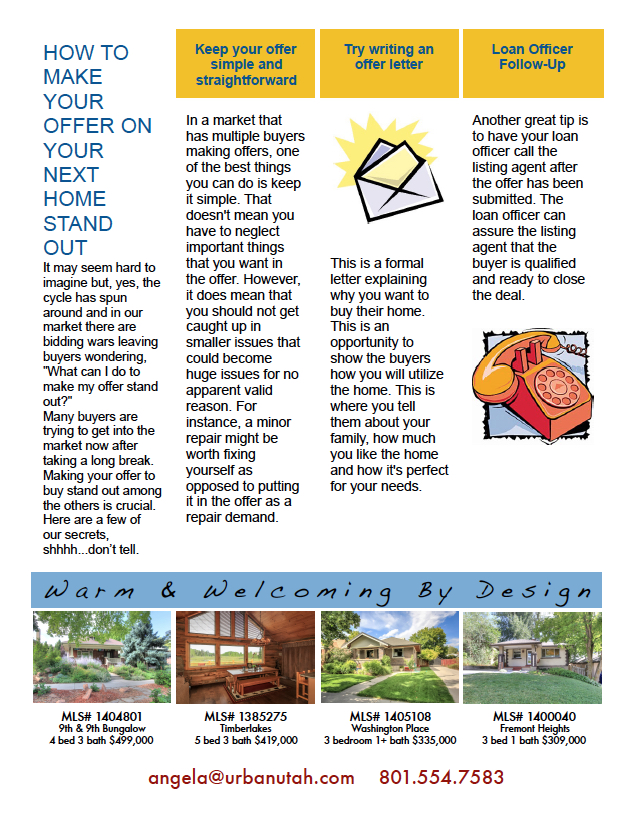

Your happy place in the 9th & 9th neighborhood
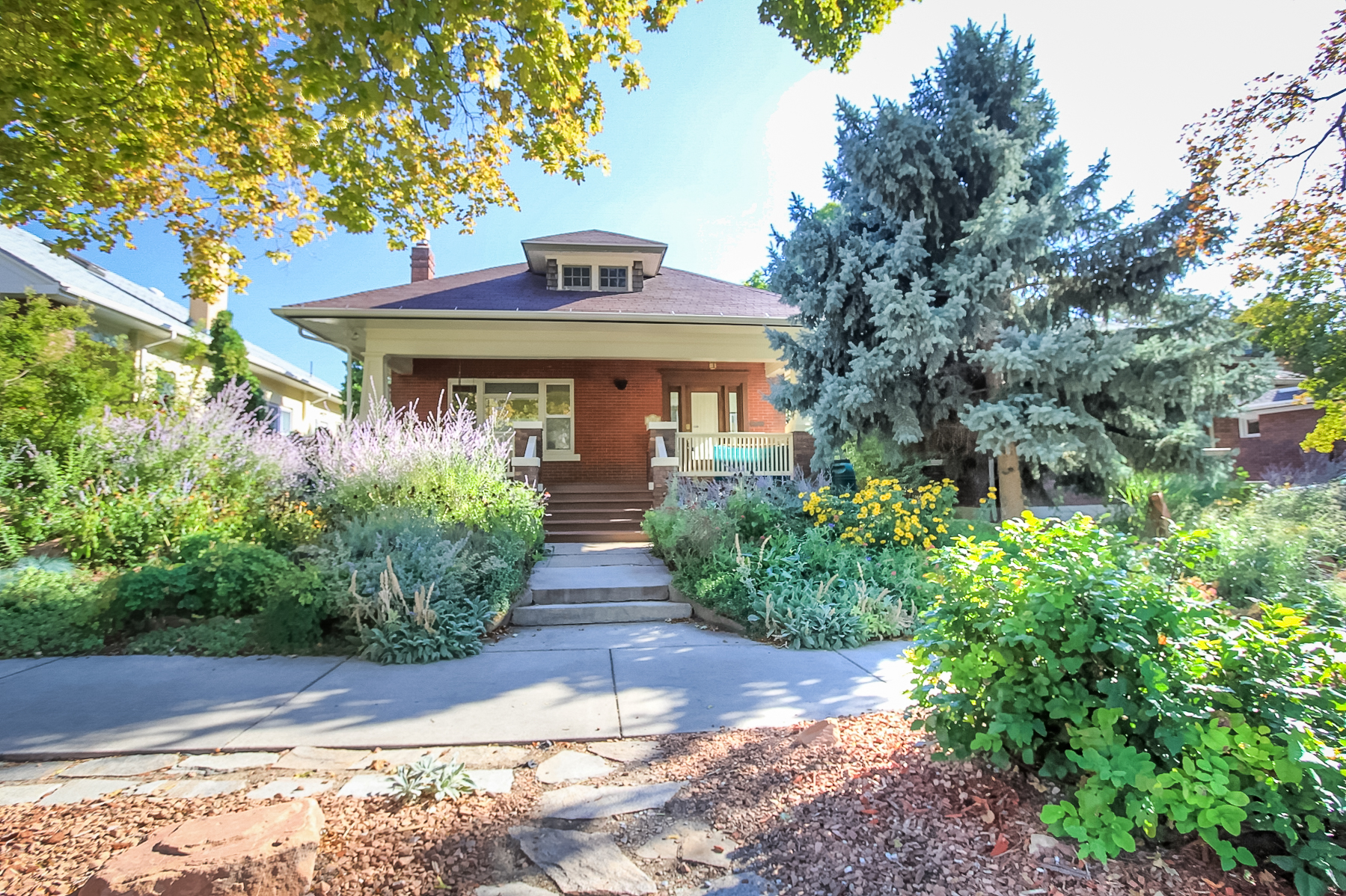
Sold ~ One of a kind 5 bedroom 3 bath bungalow style home for sale, impeccably maintained and loaded with historic charm. Read More
Home on the hill, with views
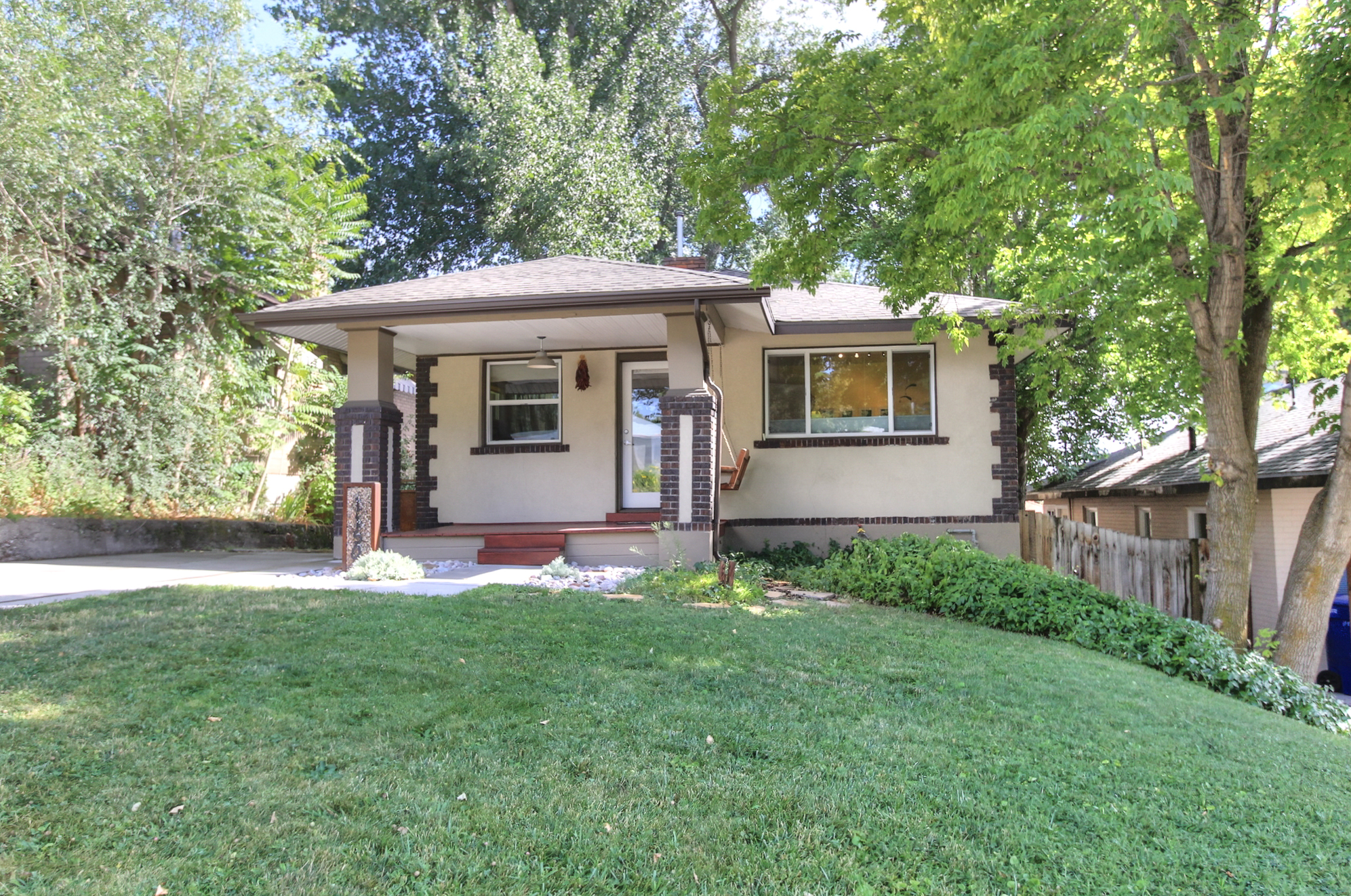
Sold, this attractive 3 bedroom home has been updated with contemporary style and efficient use of space. Read More
For Sale, for a minute
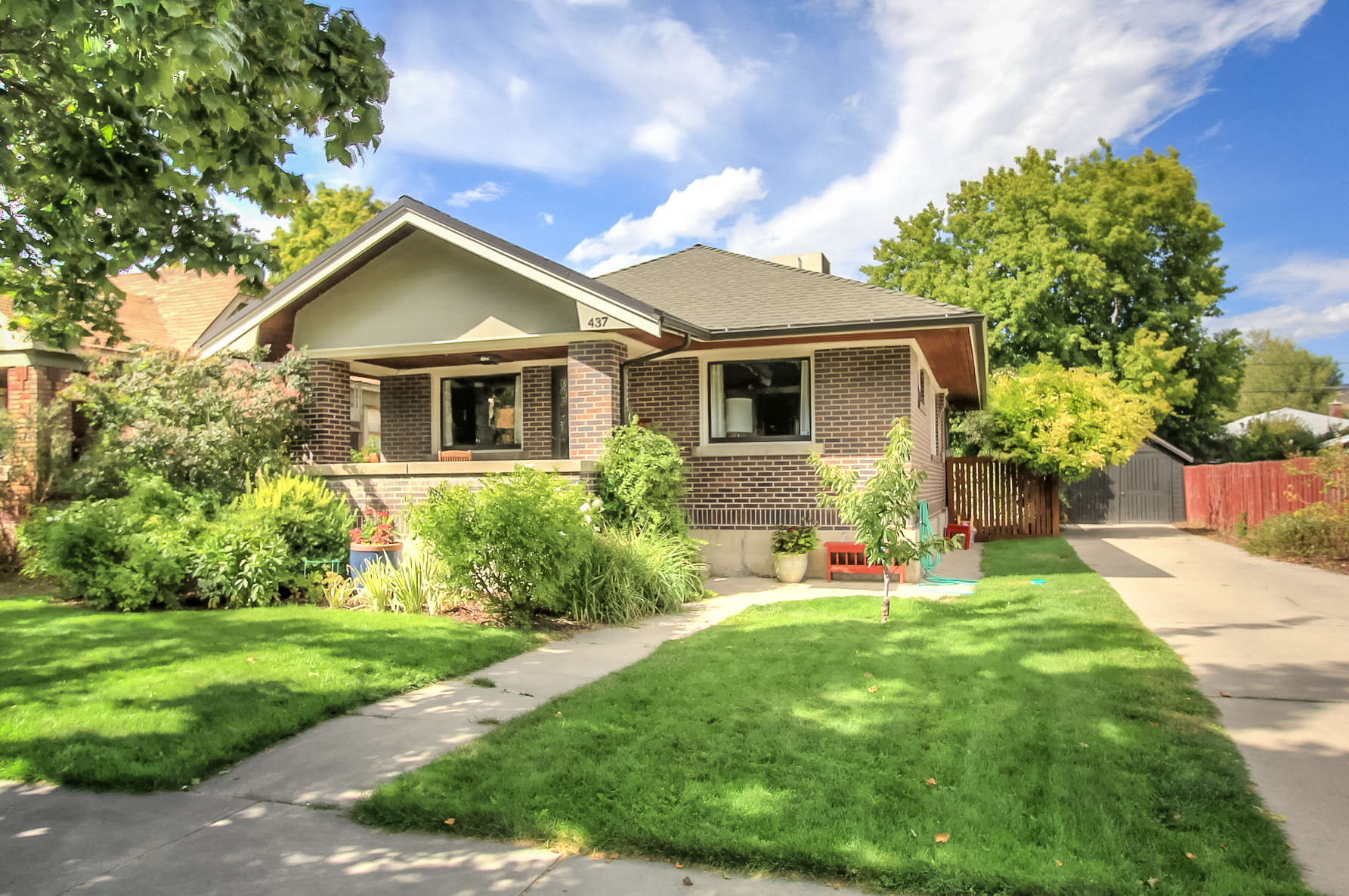
This lovely 3 bedroom home has had great attention given to it; starting at the top with the roof, continuing throughout and down to the newly remodeled basement bathroom. Read More
June 25th is the Urban Garden & Farm Tour 2016

Join Wasatch Community Gardens for the annual Urban Garden and Farm Tour, formerly known as the Tour de Coops. Read More
Mountain getaway for sale in Timberlakes
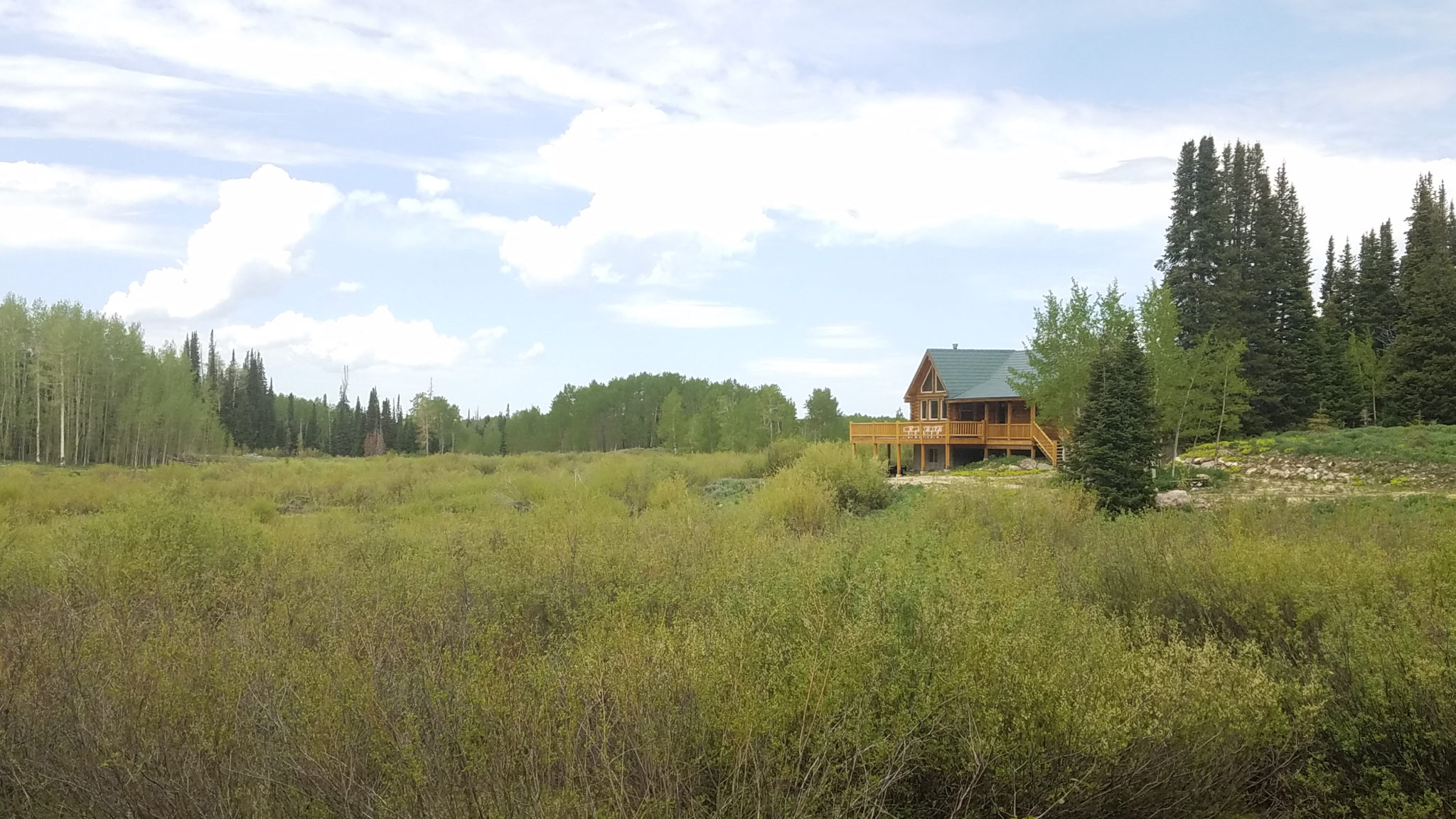
Sold This tranquil 5 bedroom 3 bath mountain home just east of Heber City, Utah is unlike any other in Timberlakes. Read More
For Sale in the historic Douglas neighborhood near the University of Utah
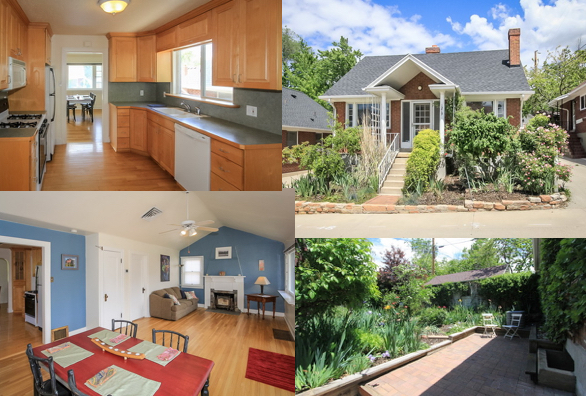
SOLD The neighborhood with its tree-lined streets and easy access to numerous dining, shopping, entertainment and transit options makes life enjoyable. Read More

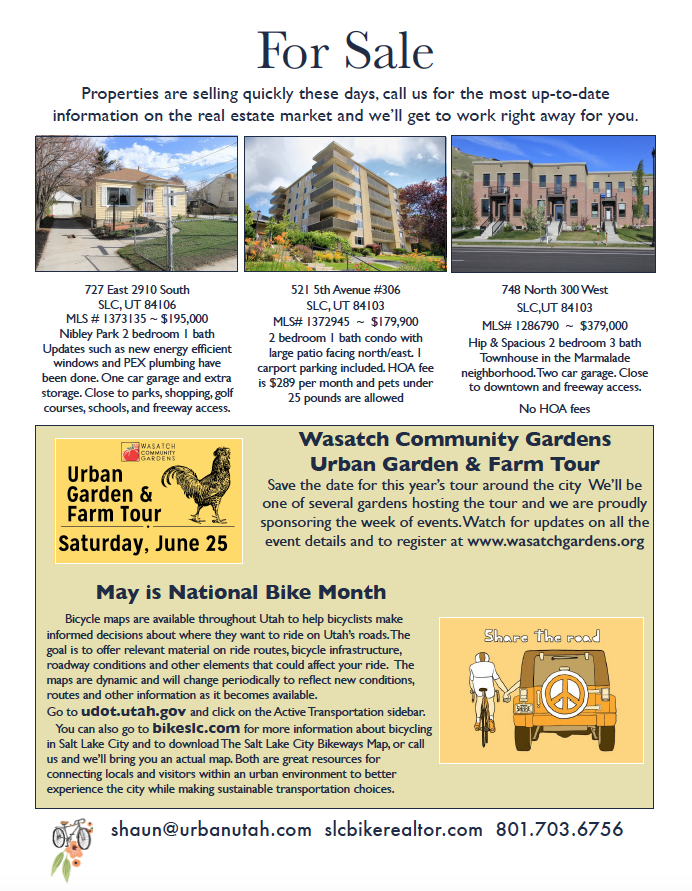
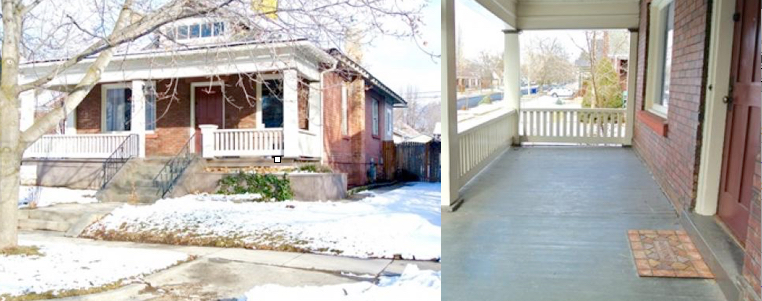
Going, going, gone!
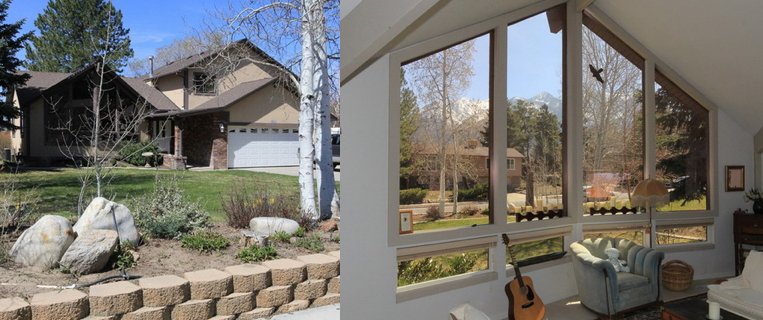
SOLD This is the home for all seasons of enjoyment located in the historic Granite area established in 1870 (part of Sandy today). Read More
For sale 752 East 900 South Salt Lake City 84105
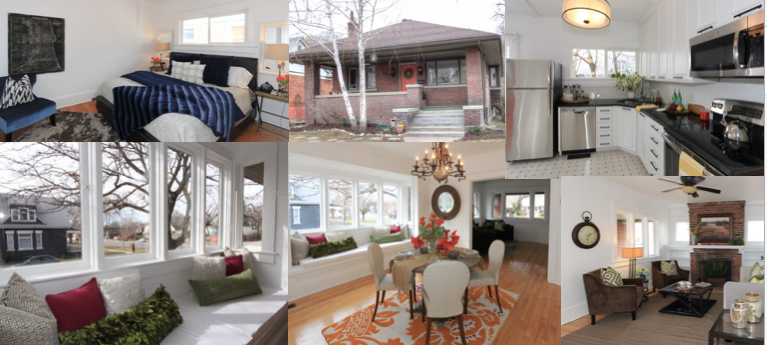
SOLD – Large four bedroom two bath bungalow located in the 9th & 9th neighborhood with a nice mix of old and new. Read More
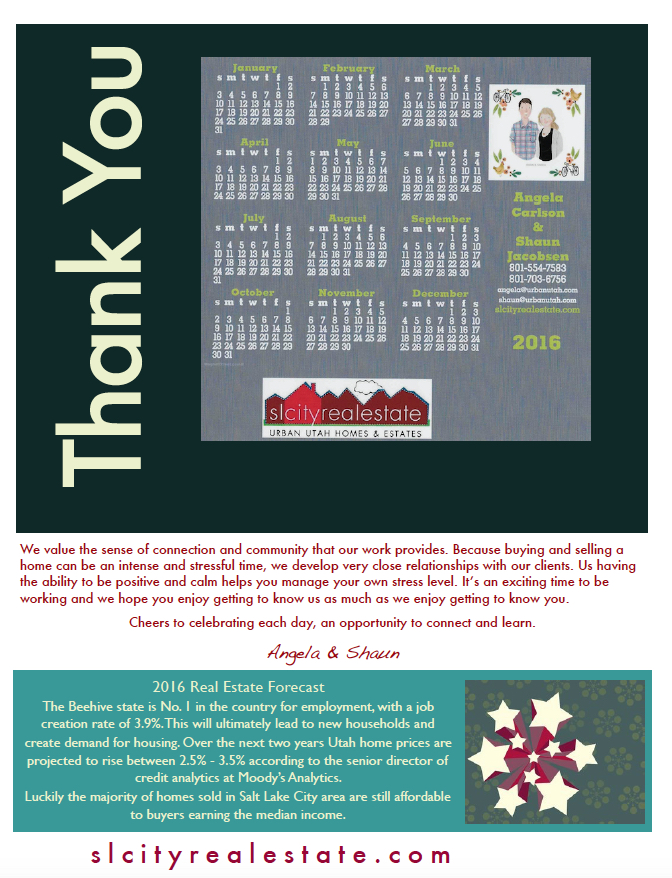
2016 Housing Forecast
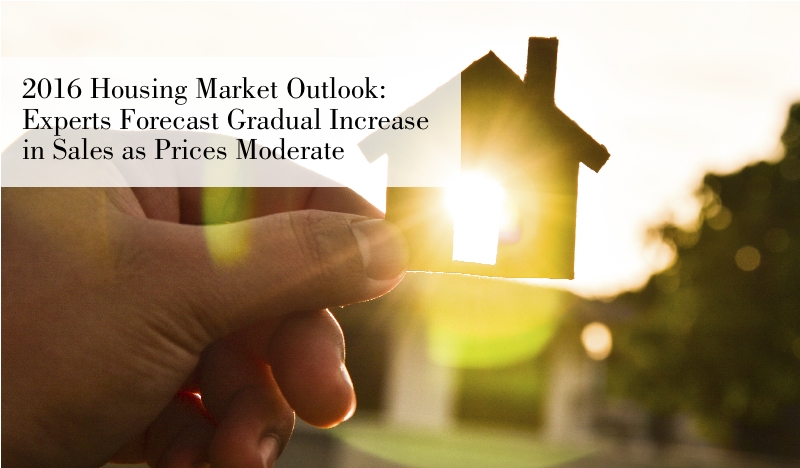
Utah’s housing market enjoyed a good year in 2015, although a shortage of homes on the market posed a challenge for homebuyers. Read More
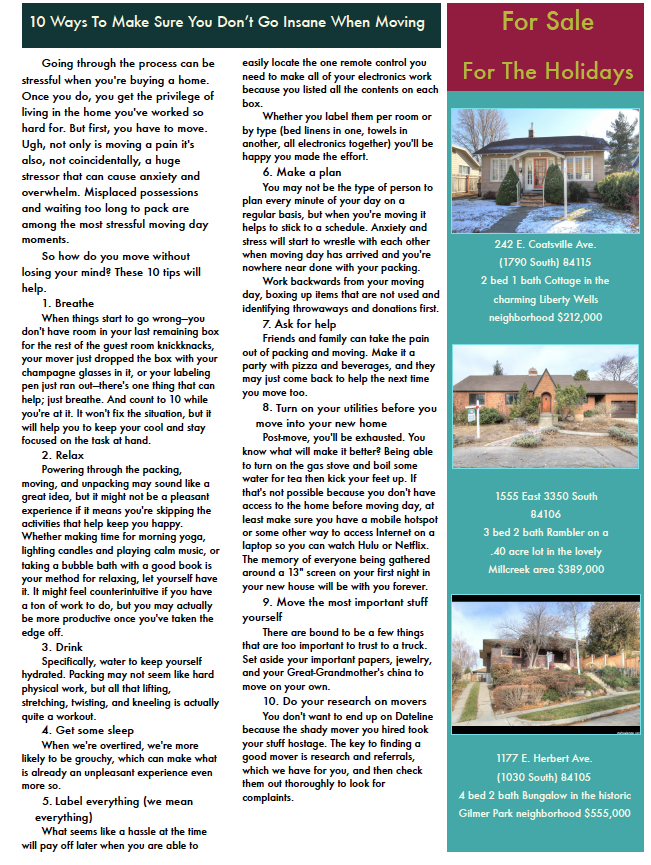
For Sale in the Millcreek area at 1555 East 3350 South
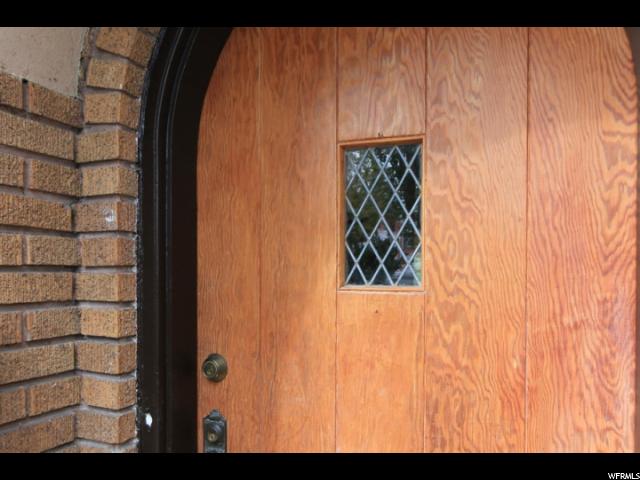
SOLD-This one’s was a natural beauty from the time it was built with its welcoming arched brick gable doorway. Read More
For sale at 242 E. Coatsville Avenue (1790 South)
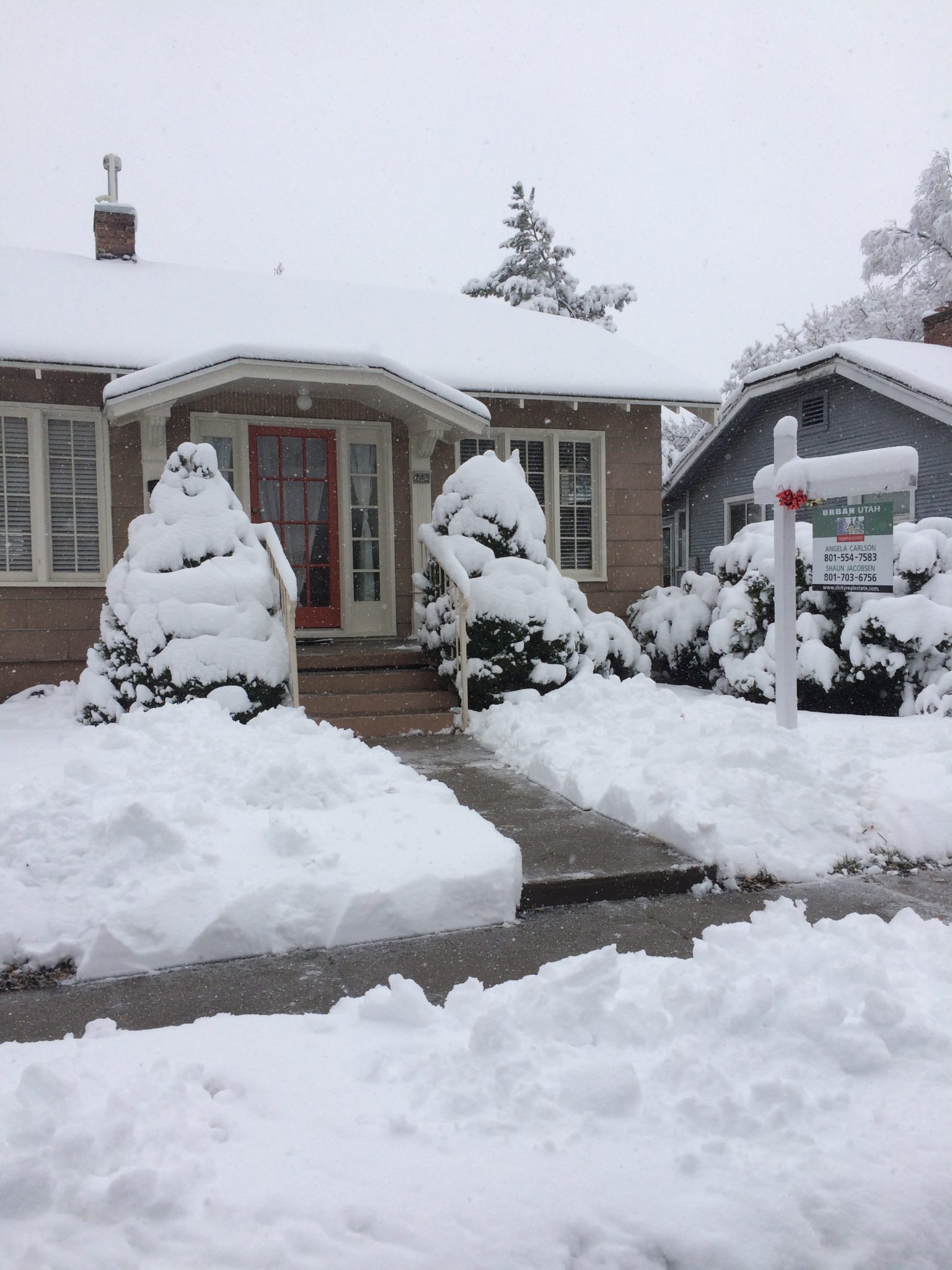
SOLD – Charming 2+bedroom,one bath cottage located in a friendly Liberty Wells neighborhood. Read More
For Sale at 768 E. Parkway Avenue (2405 South)
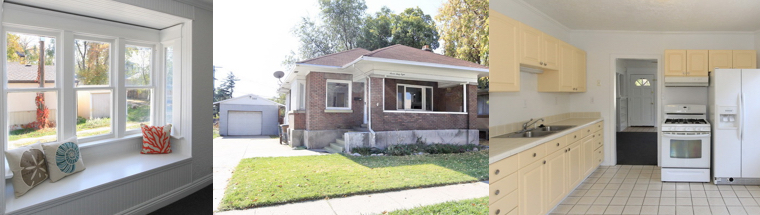
SOLD Looking back in the archives we found that this home was built as part of the now historically important Forest Dale Country Club (Golf Course) neighborhood. Read More
Wondering what that home improvement project will cost?
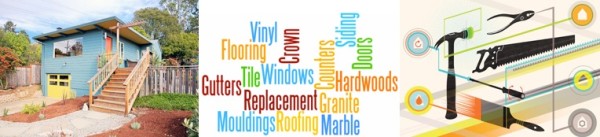
As a homeowner it can be a bit overwhelming to figure out what you will pay to make repairs on your home. Read More

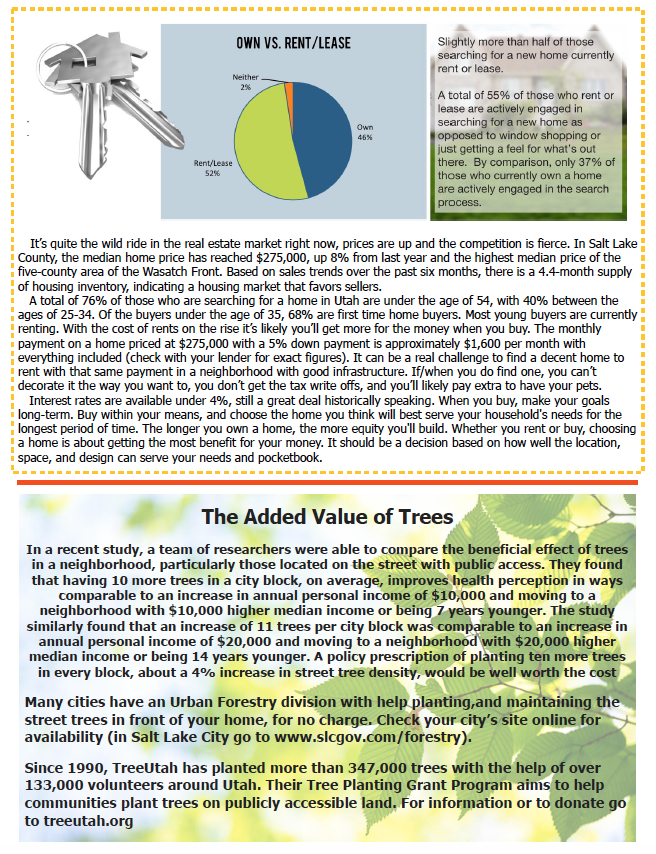
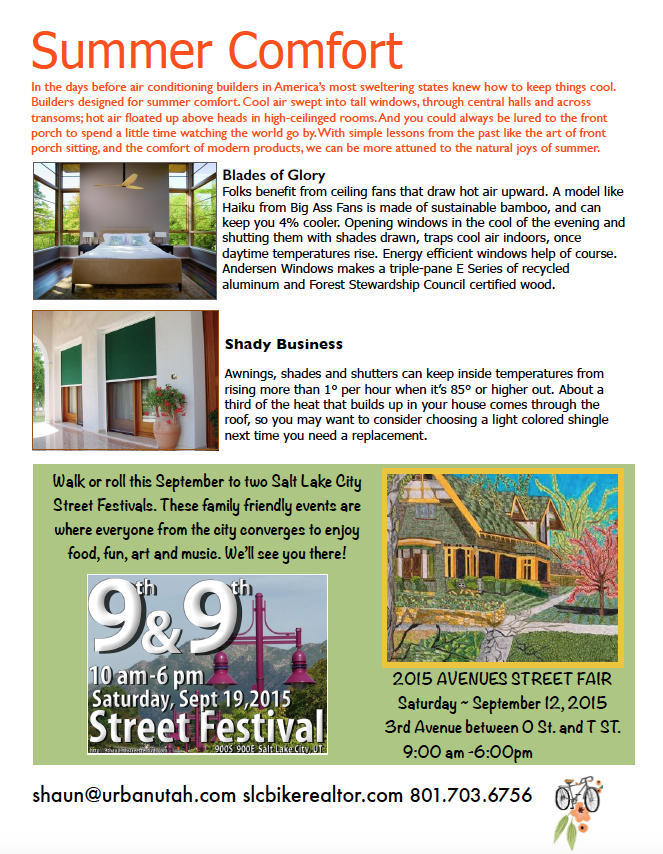
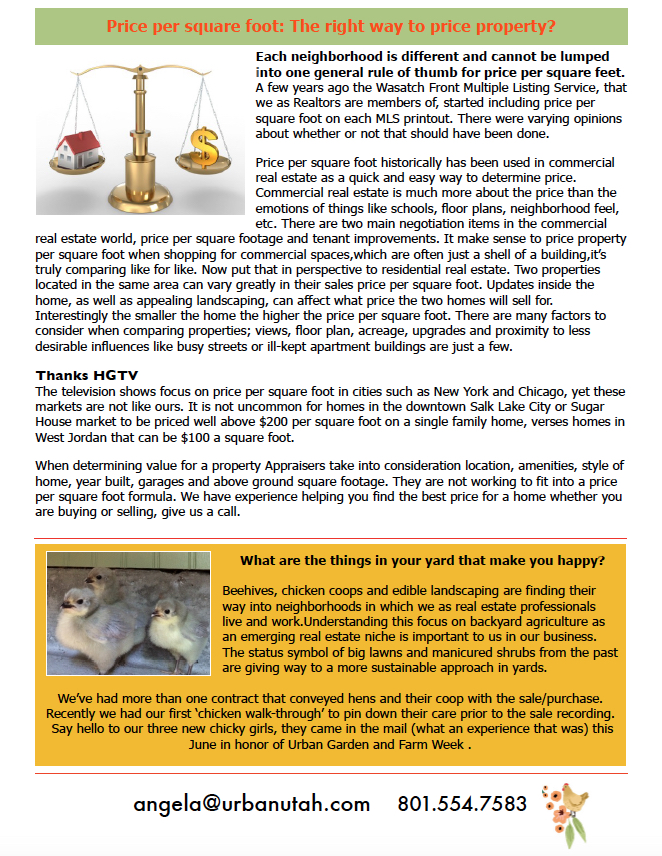
Sweet as pie in the Marmalade neighborhood
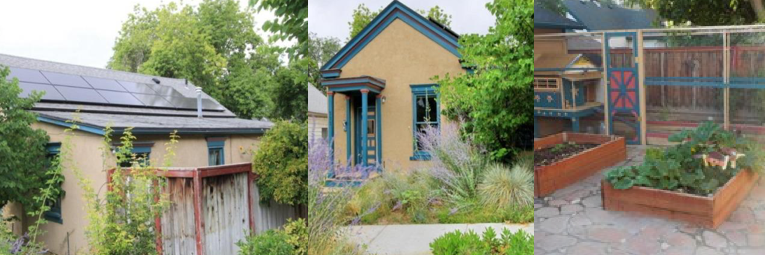
Sold– And the new owner is certainly lit up about their new place. Alive with light, this snazzy 2 bedroom home welcomes its new caretakers. Read More
9th & 9th Victorian for sale
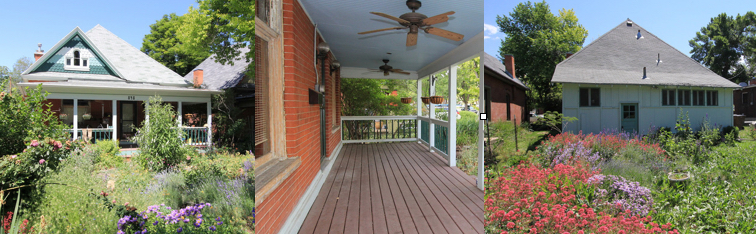
SOLD This charming piece of history is the new owner’s opportunity to make the friendly 9th & 9th neighborhood their home. Read More
It’s a great market for selling your home

Twelve years is a good start in our long range career in Real Estate, and long enough to have witnessed the market shift from good, to bad and back again. Read More
Wasatch Community Gardens Urban Garden & Farm Week June 15th-20th
Whether you are a budding gardener, a seasoned grower, a backyard poultry keeper, or an urban dweller with herbs in a window, the Urban Garden and Farm Week will have an event for you. Read More
This 15th & 15th Tudor is a treat
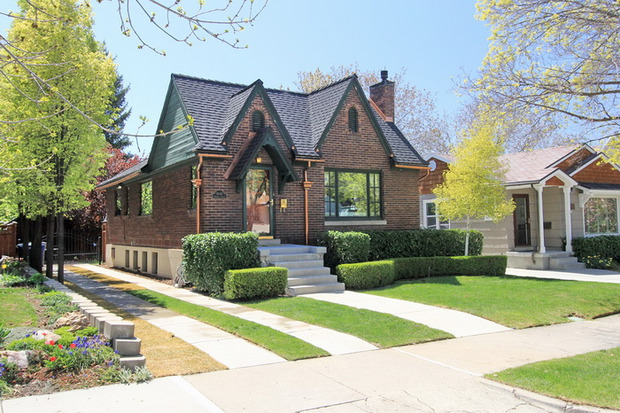
SOLD This beautiful creature was on the market for a day and was quickly swooped off her feet. Read More
Make the 9th & 9th neighborhood your own
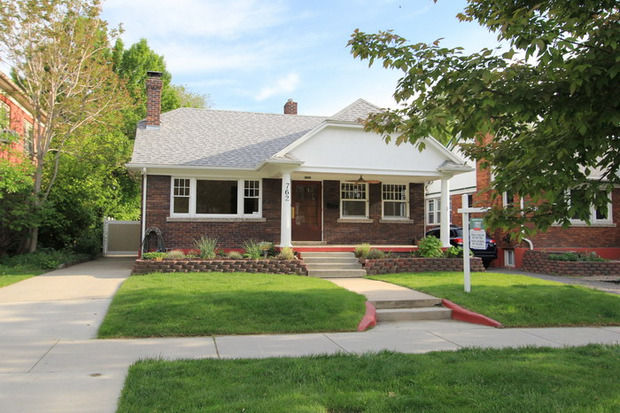
SOLD Good design stands the test of time and this bungalow style home was well built from the get-go. Our real estate market agreed, 6 offers after only 2 days on the market, yowza! Read More
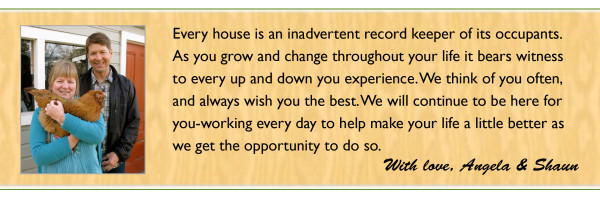
Making Memories in Millcreek
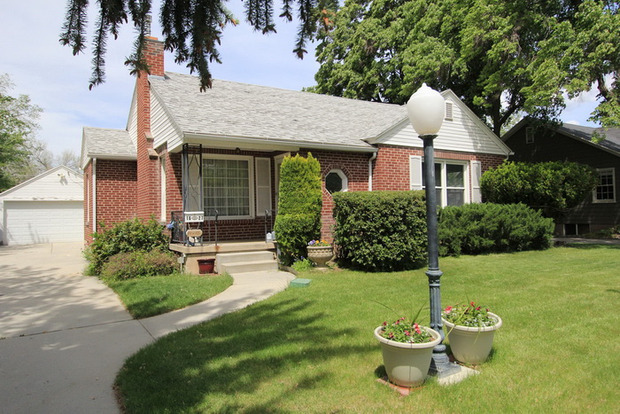
Congratulations, this charming, light-filled 5 bedroom home is located on a quiet Millcreek cul-de-sac and is the proud member of a new family. Read More
The highest compliment of all, a happy homeowner
Thanks Shaun. I know we talked last night about being lucky because the timing on the sale, purchase, and closing of both homes went so smoothly.
However, Read More
Be involved. Be in the know. Be part of your community.
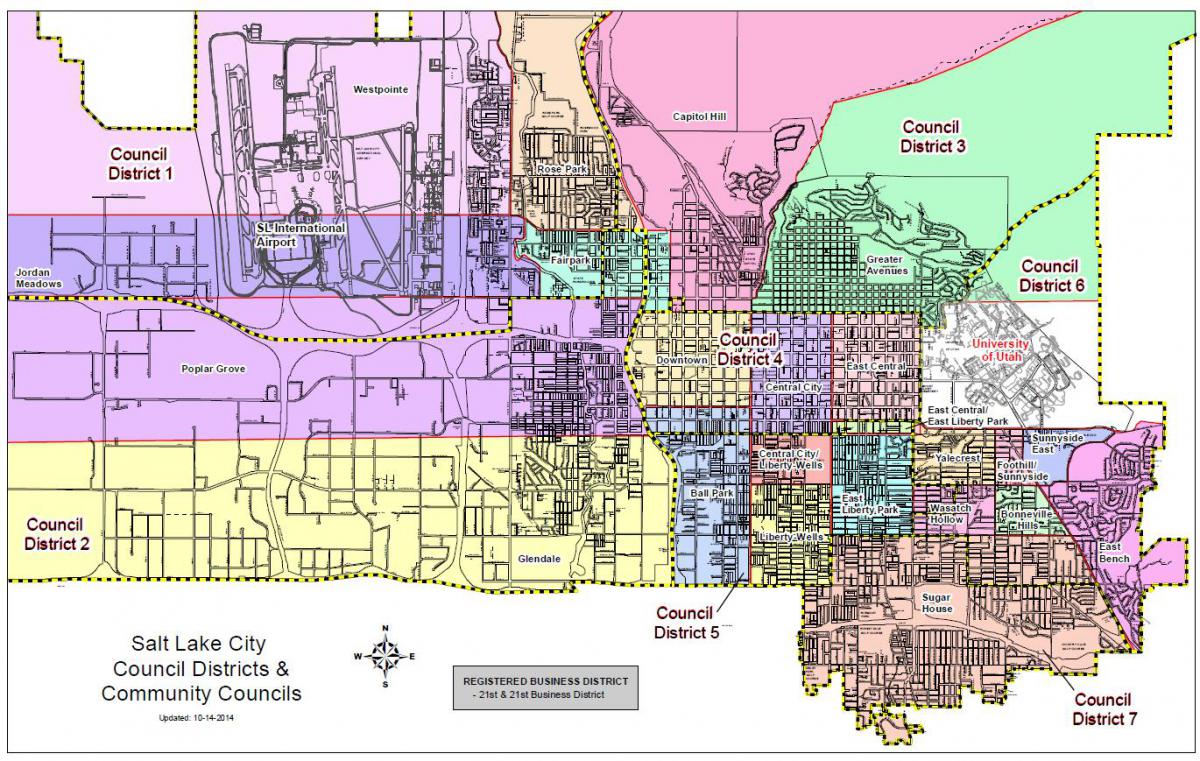
Most residents are unaware of the process by which land use and zoning changes occur within Salt Lake City. Read More
We live in a great state, a state of Gratitude
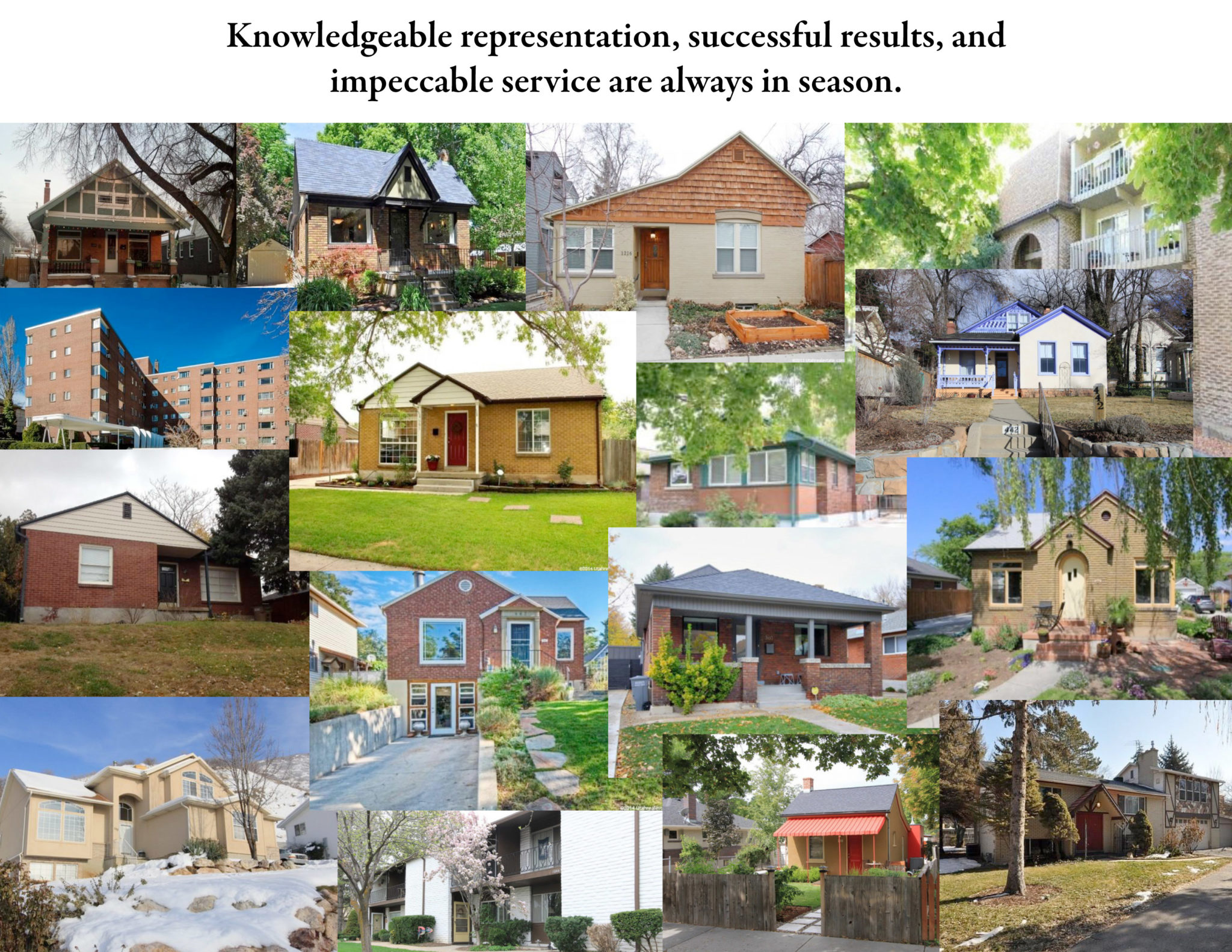
“Far and away the best prize that life offers is the chance to work hard at work worth doing” Quote from Theodore Roosevelt Read More
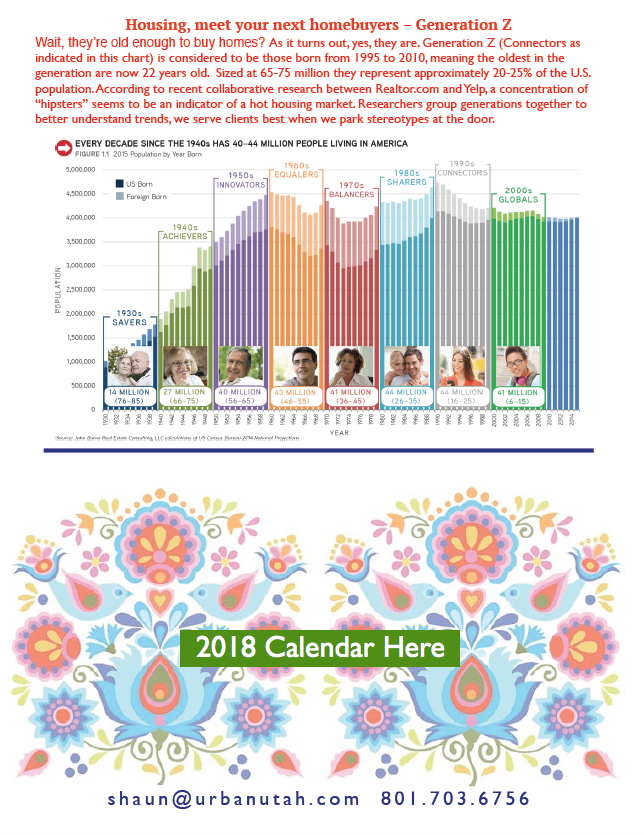
Migration patterns of the young adult species heretofore referred to as “Millennials”

Salt Lake City one of the top cities in the nation for attracting the young adult population that is coming of homeownership age (20-34 year olds). Read More
Growing a home,a garden,a family,a love of biking and chickens in our community.
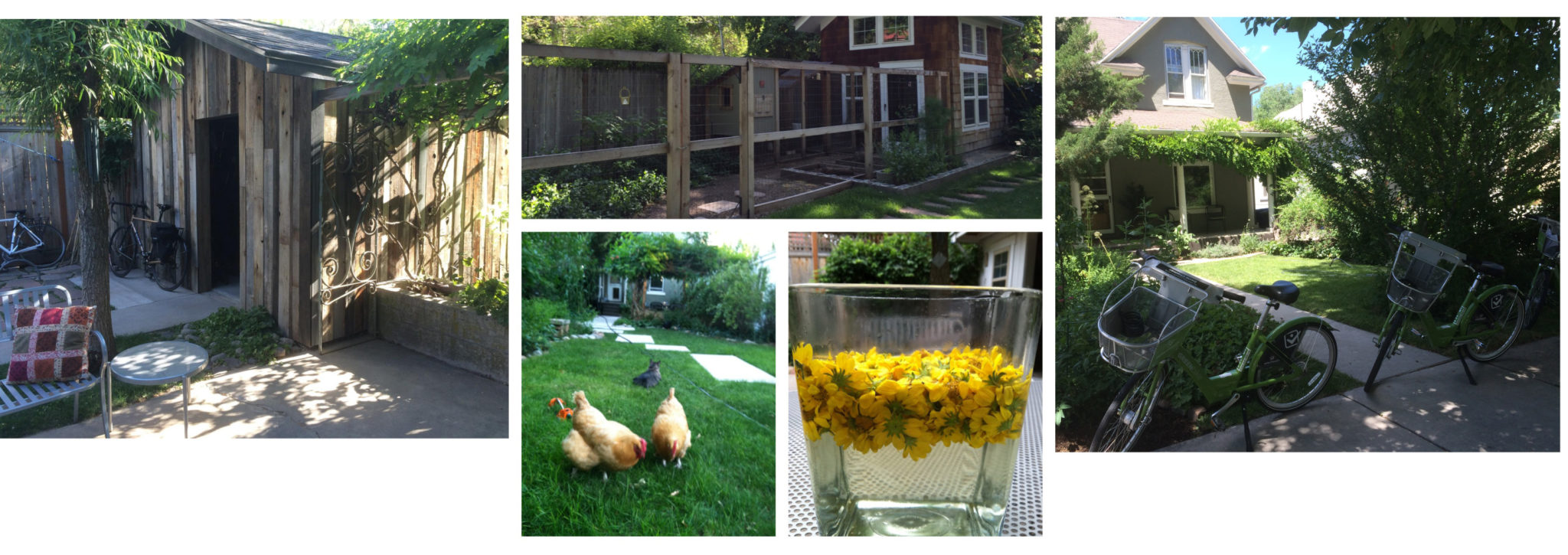
The Wasatch Community Gardens’ Urban Garden and Farm Tour allows you one of those rare voyeuristic opportunities to snoop in your neighbor’s backyard. Read More
Solar Powered Marmalade Loft Townhouses
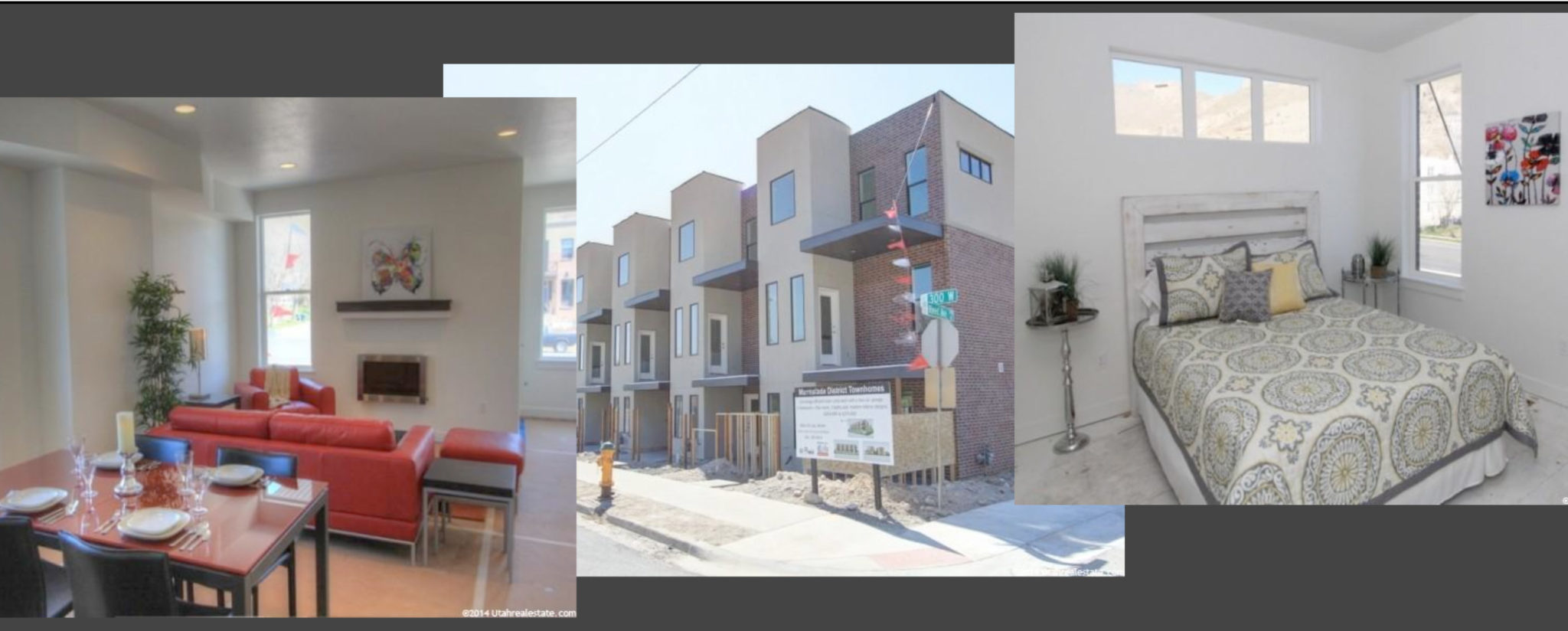
Brand new Townhouses in the Marmalade District Lofts, 1.5 blocks from the incoming library on 300 West. Read More
The message is blowing in the wind, and shining on us daily.
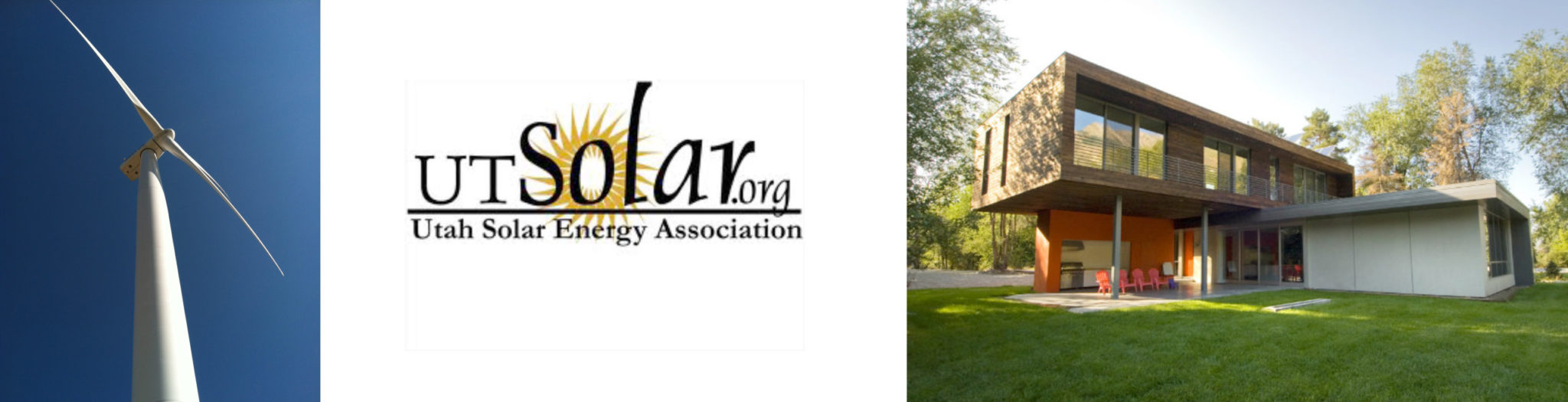
My father came with me on a field trip to see the wind turbines at the mouth of Spanish Fork canyon. Read More
Oh the places you will go… on your bike
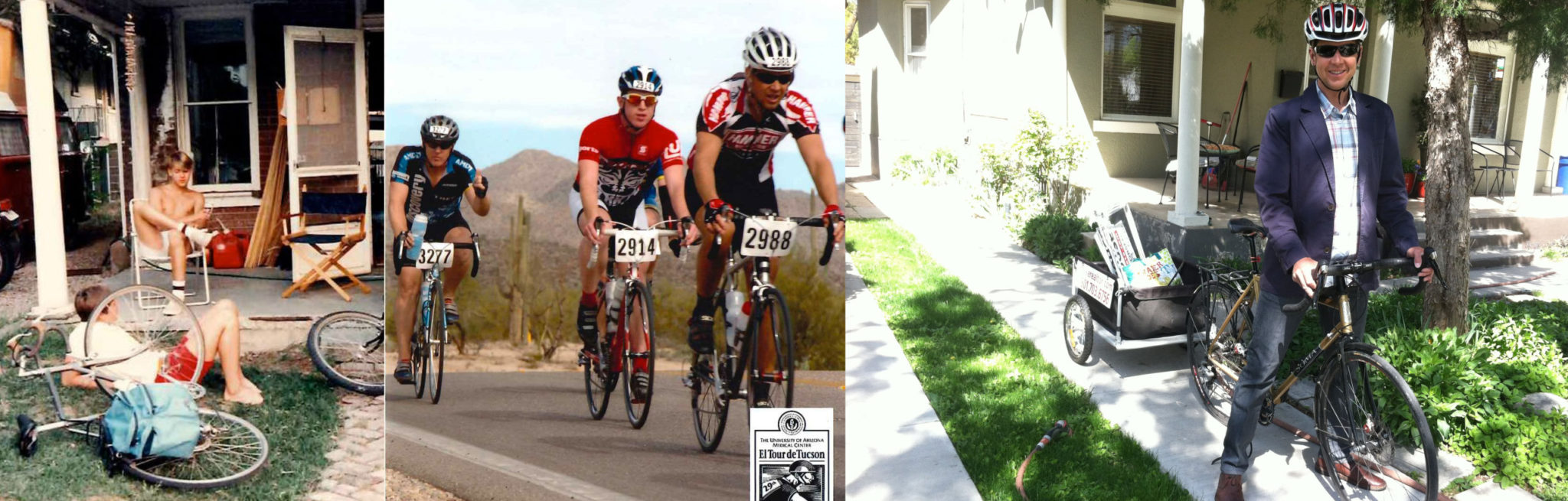
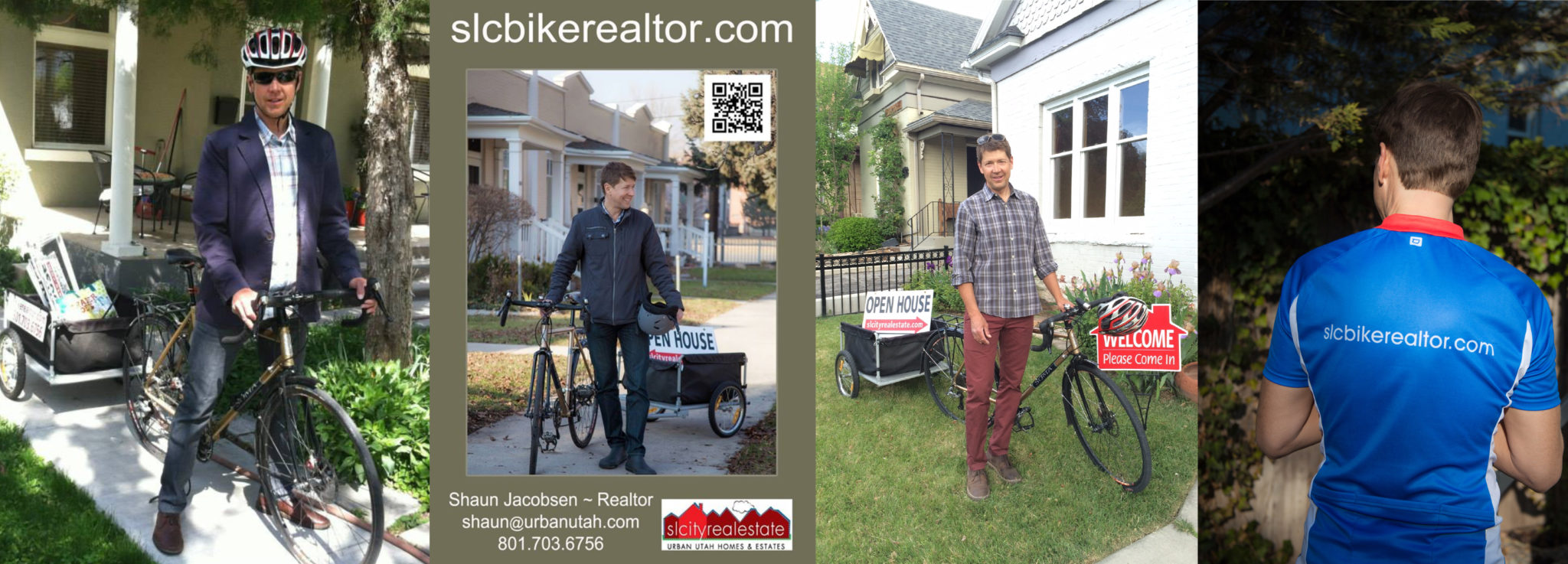
The Bicycle Advisory Committee comprises of 13 members and I’m one of them.
Forecast-sunny with a chance of growth
There were a variety of topics covered in the Utah Economic Forecast Event we attended today. Did you know we are in a position along the Wasatch Front to attract more jobs than California, surprisingly more so than the oh-so-booming San Francisco Bay area. We have begun to “cluster”, clusters being geographic concentrations of interconnected companies (think technology related), specialized suppliers, service providers, and associated institutions that are present in our region. Clusters arise because they increase the productivity with which companies can compete. The development of clusters is vital part of the agenda for our local government, businesses and institutions, and driving the direction of Utah’s economic policy. This is manifested by the fact that the state has made it appealing for businesses to move here by reducing the costs of doing business in Utah. Having an affordable housing market available to workers is a bonus to the longterm sustainability of development. When you compare buying a home in San Francisco versus buying a home in Utah, it certainly is much more attainable goal.
2014 will be marked by a return to normalcy in the housing market in Utah, according to the speaker at the Forecast event James Wood, Director of the Bureau of Economic and Business Research at the University of Utah. Price increases are forecast to be moderate, in the 5-7% range, just a bit higher than the historic average of 4%, and sales of single-family homes will increase as improving economic conditions free up pent-up demand for housing. Additionally only 8% of mortgages in the state were underwater. Fewer negative equity mortgages allow homeowners, with mortgages previously underwater, to consider moving-up and they are.
Contact us for the most up to date information regarding the housing market in your community.
Subdivisions Draw Residents With Farms
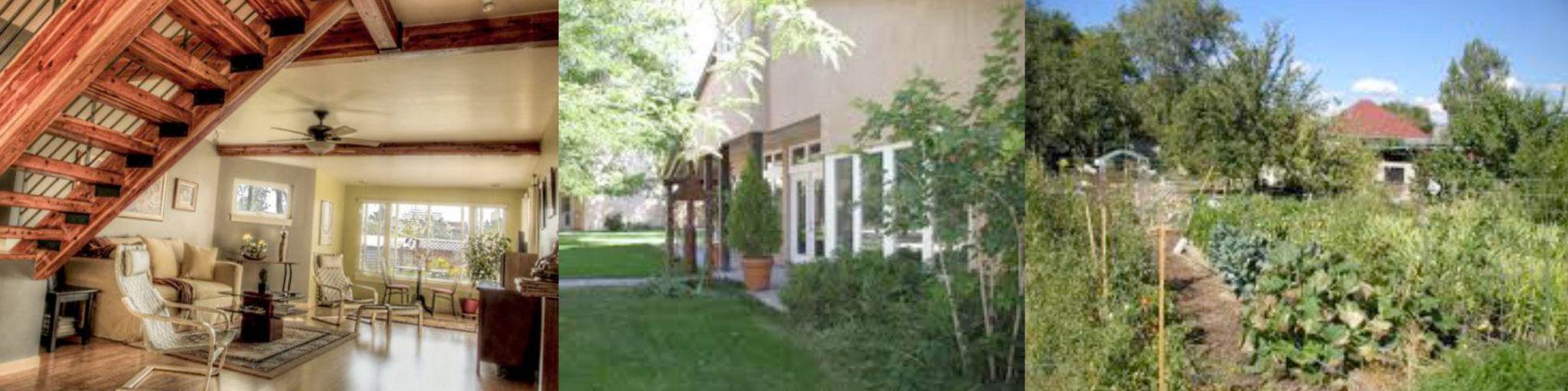
When you picture a housing development no matter where it’s located, you might imagine golf courses, swimming pools and rows of identical houses. Read More
Buy Local, Be Creative
We are always delighted to hear when Salt Lake City is ranked by outside sources as top in areas such as business, quality of life and now as Top Creative City (mid-size) in the U.S. Read More
We are engaged, engaged citizens that is!

The link below is a resource for all present and future Salt Lake City residents. Read More
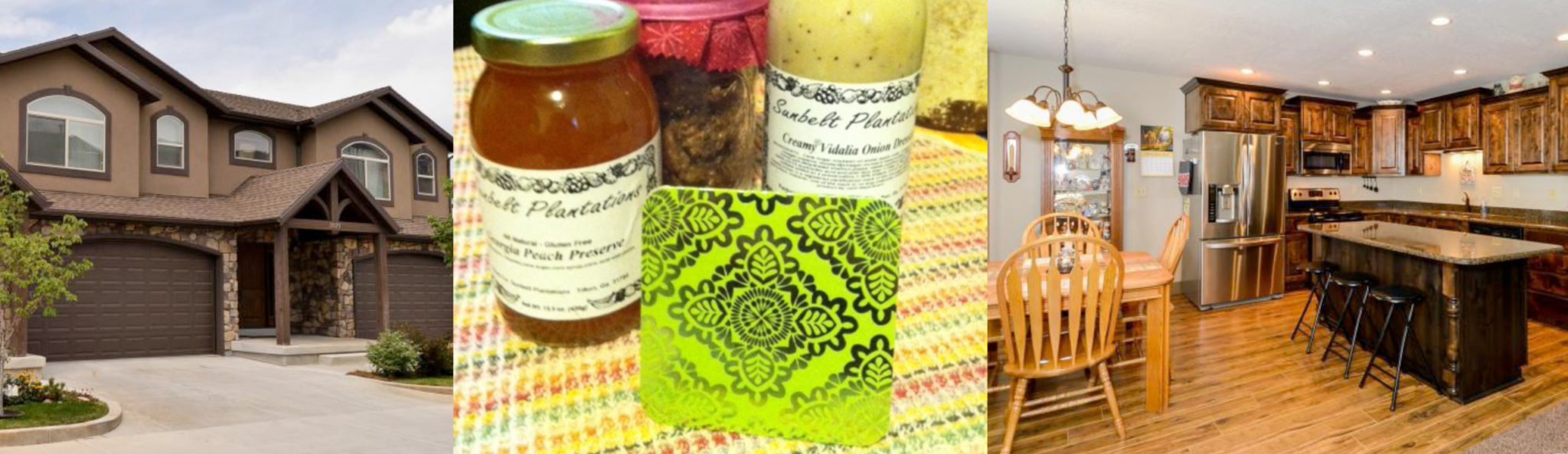
Downtown Salt Lake City Renaissance
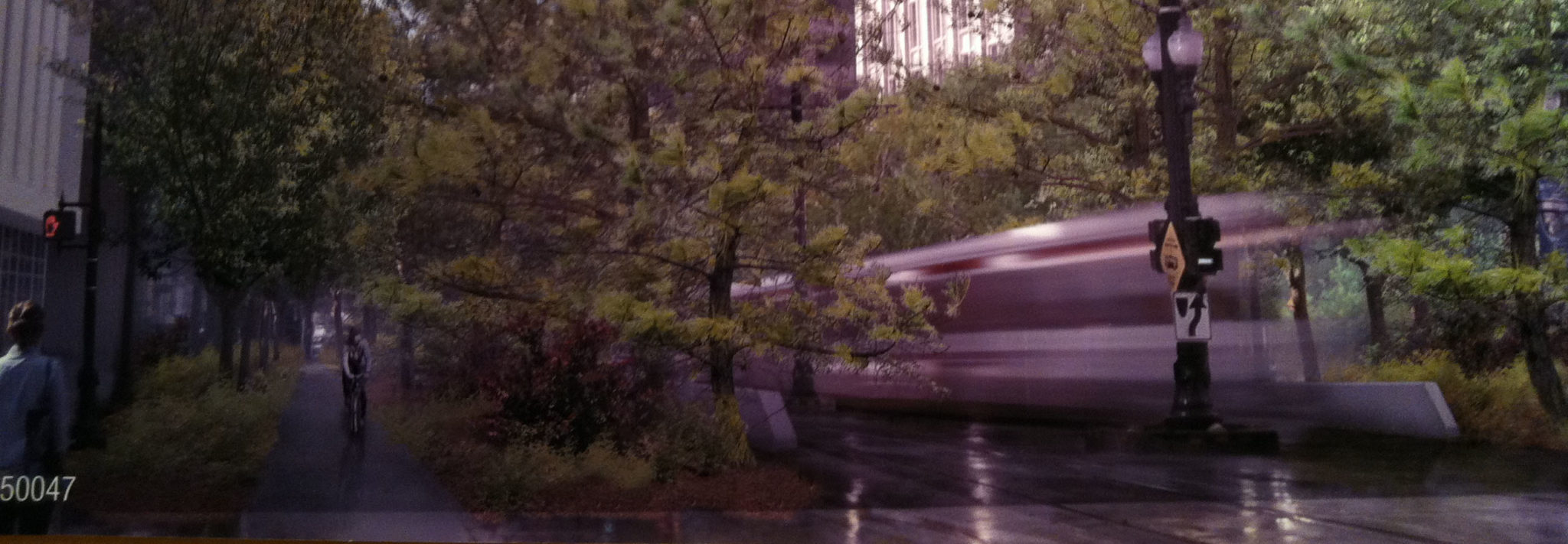
Last night we attended the public viewing of over 200 design submissions for the 69/70 Project. Read More
We’re so excited!
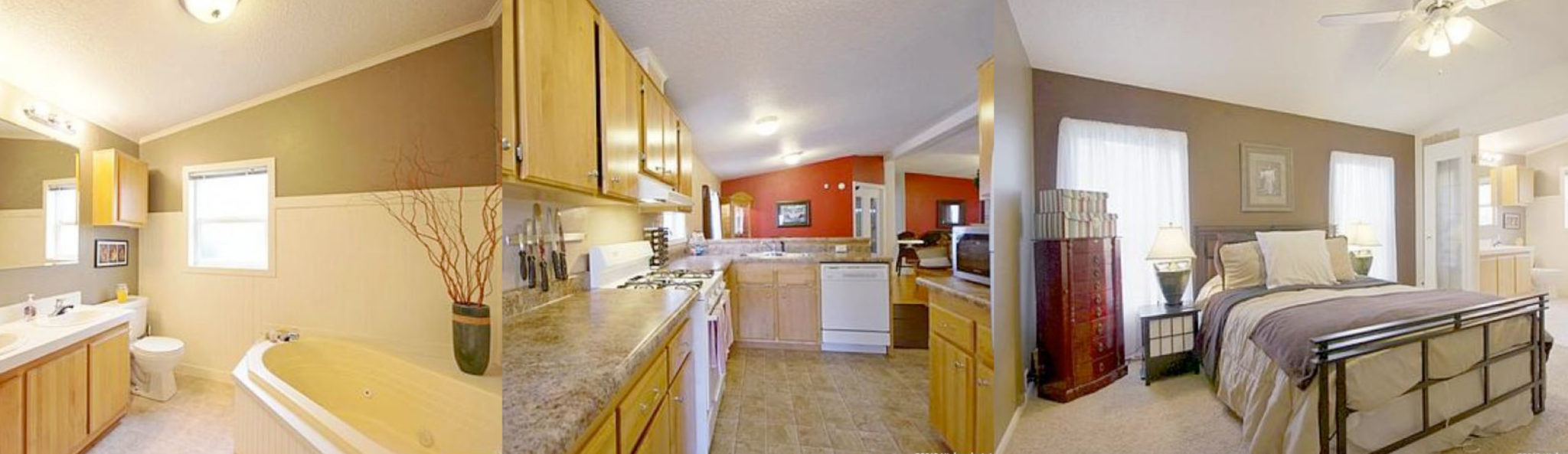
Angela & Shaun,
Thanks so much for all you help & flexibility in helping us find our new house! Read More
Biking around town – Salt Lake City Bike Map and “GREENbike” Bike Share

Are you wondering what the best routes are to navigate around the city? Did you know you can “share” a bike for as little as $5 in and around the downtown area? Read More
We’ve been “Collected”
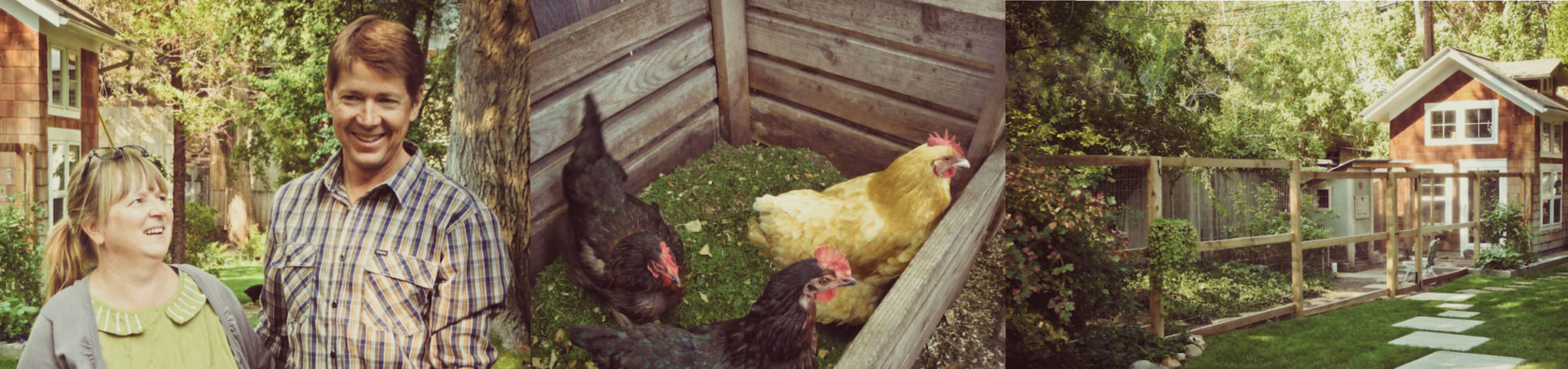
Recently we were approached to have our chickens and coop featured in a local real estate blog. Read More
Patience, positive attitude and professionalism
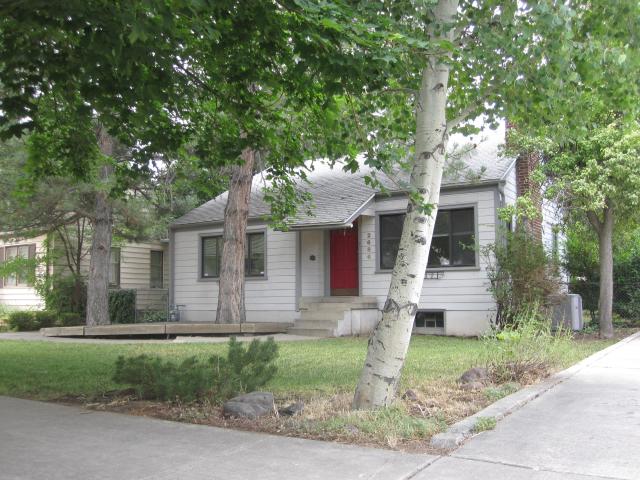
The most gracious thanks to you – you exude & display the greatest patience, positive attitude, and professionalism. Read More
The Utah Real Estate Contract Explained

The Real Estate Purchase Contract is a six-page document we use when we write an offer to buy a home. Read More
From Selling to Sold
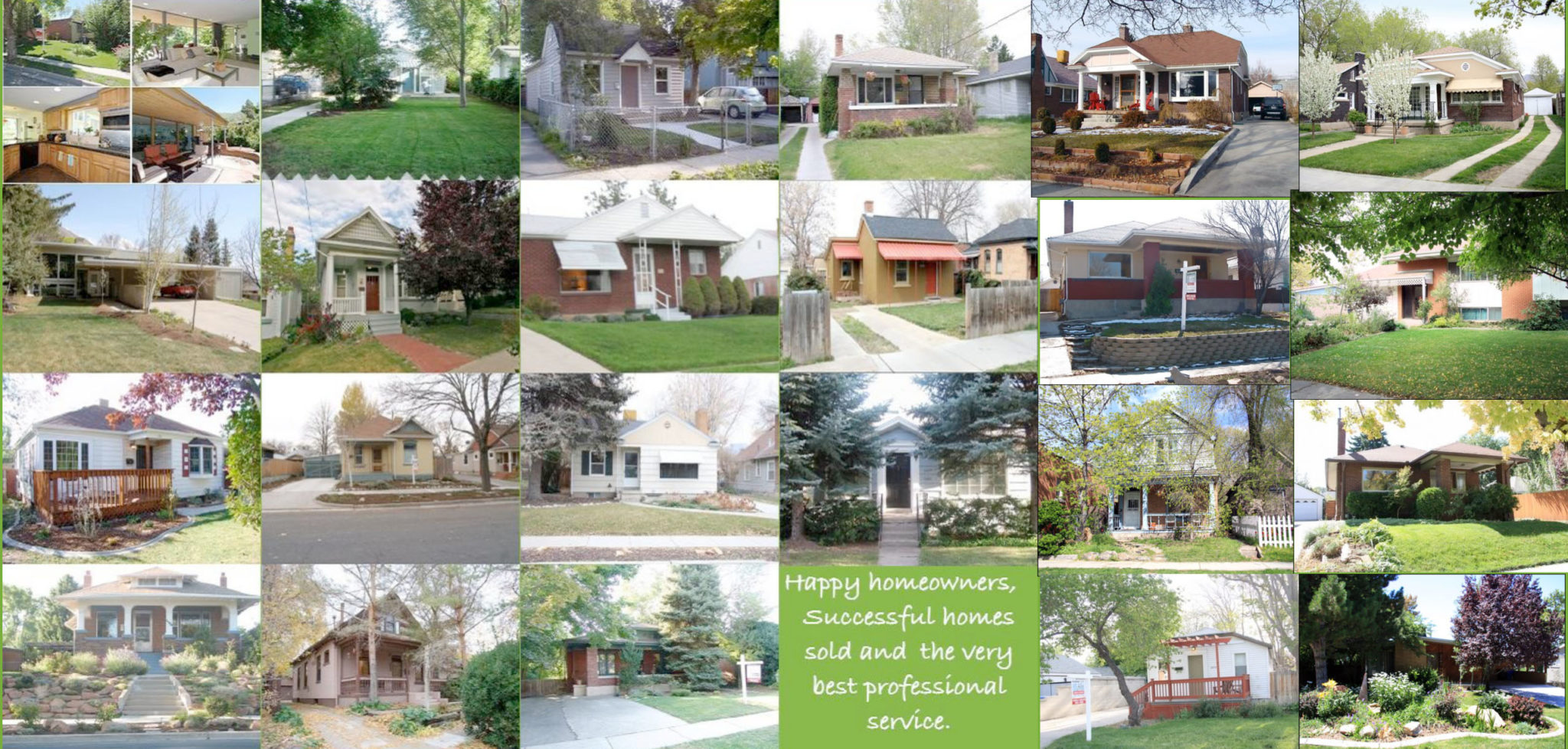
Selling your home can be a stressful ordeal. Choosing a Realtor to be your advocate ensures that your interests are first priority. Read More
Shaun Jacobsen
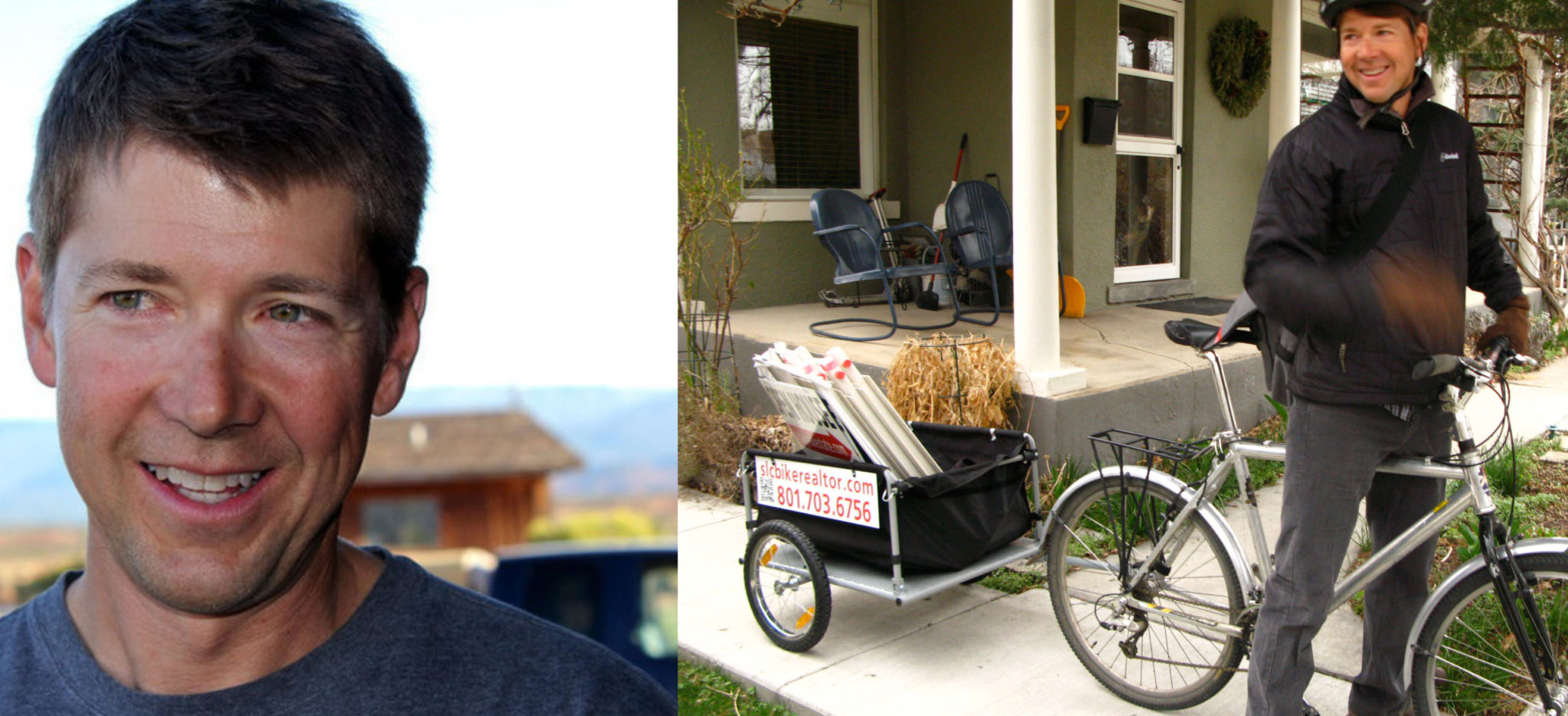
Life is good here along the Wasatch Front. I enjoy the easy access to the outdoors whether I’m running in the hills, skiing in the mountains or biking around the valley. Read More
Angela Carlson
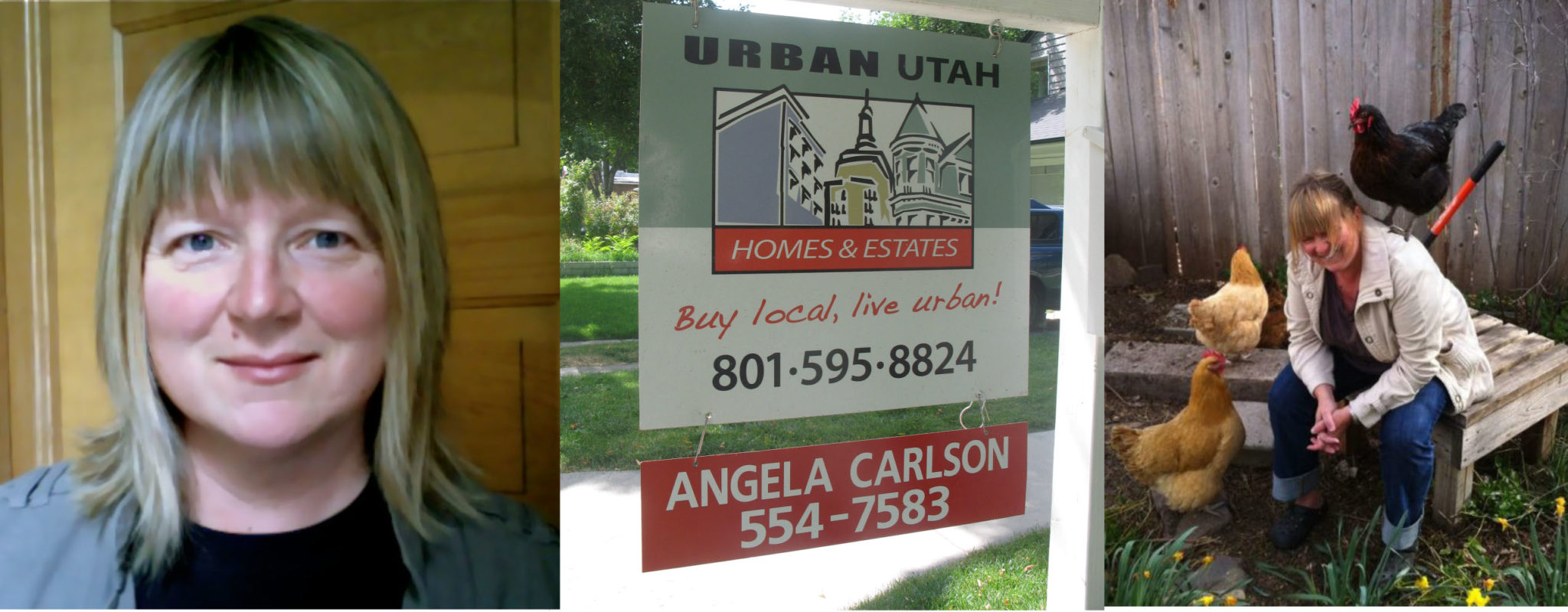
I first fell in love with real estate when we rescued our 1896 historic home almost 30 years ago. Read More
Hello world!
Our work fills a large part of our life, and we are truly satisfied to do what we believe is great work. Read More
Angela Carlson • Realtor
[email protected]
M 801.554.7583
O 801.595.8824
Shaun Jacobsen • Associate Broker
[email protected]
M 801.703.6756
O 801.595.8824
Follow Us


Urban Utah Homes & Estates
102 S Rio Grande Street
Salt Lake City Utah 84101
801-595-8824
Mortgage & Loan Calculator
 | ||||
 | ||||